

Cottage food laws let you sell certain homemade foods without a commercial kitchen — but not every food qualifies. The specific list depends on your state, and the rules exist for a real reason: food safety.
This guide explains which foods are typically allowed under cottage food laws, which foods are almost always excluded, and why the line is drawn where it is. If you're wondering whether your recipe qualifies, start here.
The short version: Most cottage food laws allow non-potentially hazardous foods — items that do not need refrigeration to stay safe. This includes baked goods, jams and jellies, honey, candies, dried herbs, roasted nuts, and similar shelf-stable products. Foods that require refrigeration (dairy, meat, seafood, cream or custard fillings) are almost always excluded. Revenue caps range from $5,000 to $75,000 or more depending on the state, and a growing number of "food freedom" states like Wyoming and North Dakota are expanding what cottage food vendors can sell. Always check your state's cottage food law for the current approved list.
The core principle behind every cottage food law is the same: allow home kitchen sales for foods that pose the lowest food safety risk.
Non-potentially hazardous foods are the foundation. These are foods that don't support rapid bacterial growth because of their natural properties — specifically their pH level and water activity.
pH measures acidity. Foods with a pH of 4.6 or below (more acidic) are generally considered safe because most harmful bacteria can't grow in acidic environments. This is why jams, pickles, and fruit preserves typically qualify.
Water activity measures how much available moisture is in a food. Foods with a water activity of 0.85 or below don't have enough available water for most bacteria to grow. This is why dried goods, candies, and baked goods typically qualify.
When a food has low pH, low water activity, or both, it can sit at room temperature without becoming unsafe. That's the basic test most states use to decide what belongs on the cottage food list.
Why this matters for you: Understanding the underlying principle helps you evaluate whether a recipe might qualify, even if your state's law doesn't list it by name. If your product needs refrigeration to stay safe, it's almost certainly not a cottage food.
These categories are allowed in the vast majority of states. Individual states may add restrictions or additional requirements, but these are the most commonly approved cottage food products.
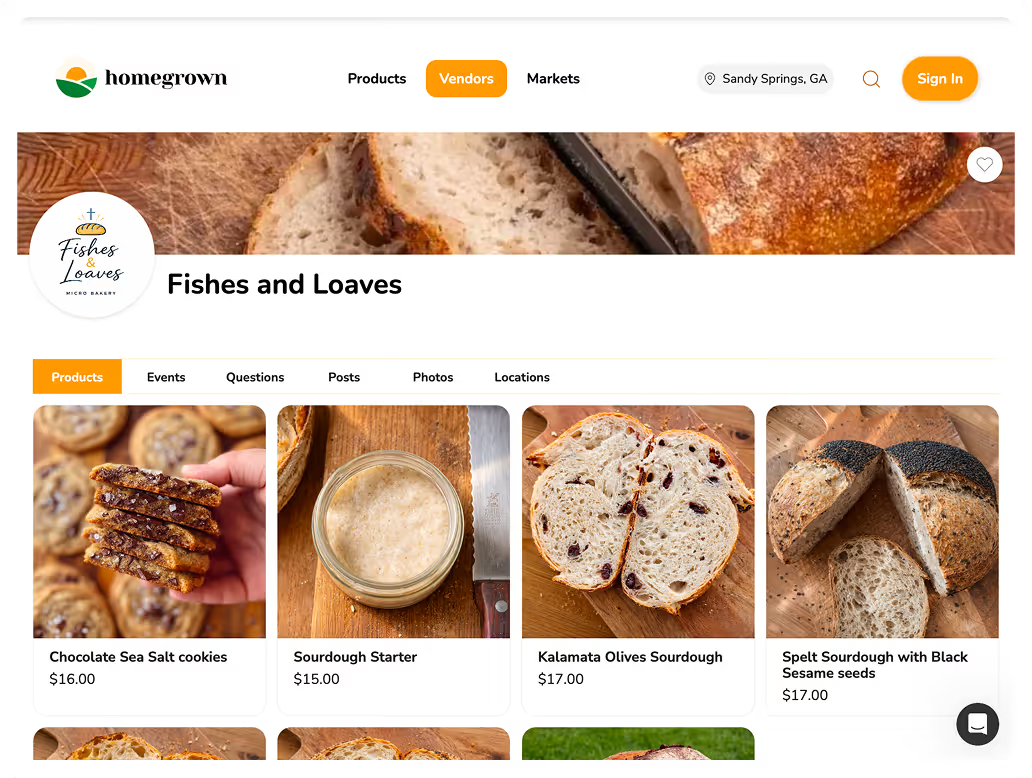
This is the largest and most universally approved cottage food category. Nearly every state allows home-baked goods.
Commonly allowed:
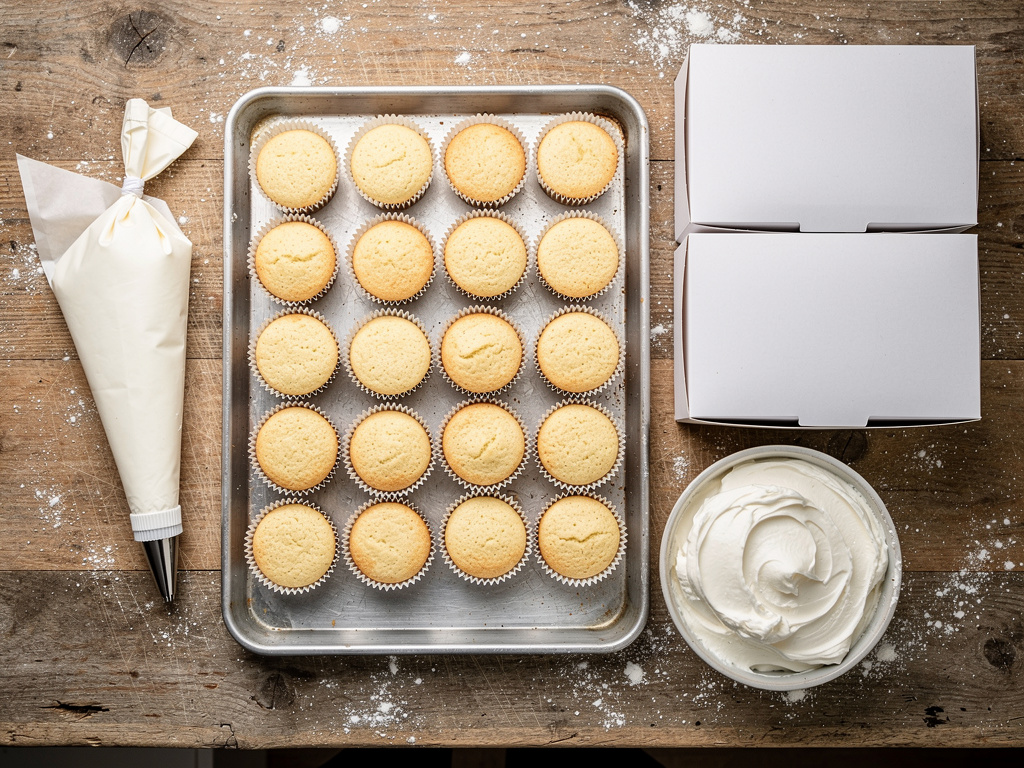
The key restriction: Baked goods with fillings or frostings that require refrigeration — like cream cheese frosting, custard fillings, whipped cream, or meringue — are typically excluded. Buttercream frosting made with butter, powdered sugar, and flavorings is usually fine because it's shelf-stable.
If you're interested in selling baked goods, our guide on how to sell baked goods covers everything from pricing to packaging.
Jams and preserves are one of the most popular cottage food products, and they're allowed in nearly every state.
Commonly allowed:
Why they qualify: The combination of high sugar content, high acidity (low pH), and proper processing through water bath canning makes these products shelf-stable and safe at room temperature.
What to watch for: Some states require that jams and preserves be processed using approved recipes from sources like the USDA or the National Center for Home Food Preservation. Your state may also require specific labeling.
Honey is naturally shelf-stable and allowed in virtually every state that has a cottage food law.
Commonly allowed:
Note: Some states regulate honey under separate honey laws rather than cottage food laws. The rules are often more favorable for honey sellers, with higher revenue caps or fewer restrictions.
Most shelf-stable candies are allowed under cottage food laws.
Commonly allowed:
What to watch for: Candies that include cream, butter in large quantities, or other dairy ingredients may fall into a gray area depending on your state. Chocolate tempering and coating is generally fine, but check your state's specific rules.
Dried goods have very low water activity, making them naturally shelf-stable.
Commonly allowed:
Pickled products are allowed in many states, though some states are more restrictive than others.
Commonly allowed:
Important: The pH of pickled products must be 4.6 or below to be considered safe. Some states require pH testing, approved recipes, or both. Fermented pickles (like traditional sauerkraut or kimchi) are treated differently from vinegar-pickled products in some states.
These foods are excluded from most cottage food laws because they require refrigeration, carry higher food safety risks, or fall under separate federal regulations.
Meat products are excluded from cottage food laws in nearly every state. Meat and poultry are regulated at the federal level by the USDA's Food Safety and Inspection Service (FSIS), which requires inspected facilities for processing and selling meat.
Not allowed under cottage food:
The exception: A very small number of states (like Wyoming and North Dakota) allow some meat products under expanded cottage food or food freedom laws. But these are rare exceptions, not the rule.
If you want to sell meat: You'll need to work with a USDA-inspected facility or obtain your own inspection. This is separate from cottage food entirely.
Most states exclude dairy products because they're potentially hazardous (they support bacterial growth at room temperature).
Not allowed under cottage food:
What this means for baked goods: You can use butter, milk, and eggs as ingredients in baked goods (the baking process makes the final product shelf-stable). You just can't sell the dairy products themselves.
Fish and shellfish are excluded from cottage food laws and are regulated under separate federal and state food safety rules.
Any food that needs to stay cold to be safe is generally excluded:
Low-acid canned foods (vegetables, soups, stocks) that require pressure canning are excluded in most states because improper processing can lead to botulism. High-acid foods processed through water bath canning (like jams and pickled products) are generally fine.
Alcoholic beverages — wine, beer, spirits, and foods made with alcohol — are regulated separately and are not covered by cottage food laws.
More than 30 states have updated their cottage food laws since 2019, and the trend is consistently toward more flexibility, not less. Revenue caps have increased in over a dozen states, and the list of allowed products continues to grow.
States with the most flexible cottage food laws tend to allow:
Food freedom states like Wyoming, North Dakota, Montana, and Utah have gone further, allowing the sale of some foods that traditional cottage food laws exclude — including some dairy and meat products under certain conditions.
States that allow TCS (time/temperature control for safety) foods are still in the minority, but the number is growing. States like California, Iowa, and a few others now allow some potentially hazardous foods under expanded cottage food programs, though these often come with additional requirements like food safety training, inspections, or lower revenue caps.
If you want to know exactly what your state allows, check your state's cottage food law for the current approved list.
The allowed food list varies by state, and laws change frequently. Here's how to find out what's currently allowed in your state:
Step 1: Find your state's cottage food law. Our cottage food laws by state guide links to each state's current regulations.
Step 2: Read the approved food list. Most state laws include either a specific list of allowed foods or a general definition (like "non-potentially hazardous foods") that determines what qualifies.
Step 3: Check for recent updates. Cottage food laws are updated frequently. Your state's department of agriculture or department of health website will have the most current version.
Step 4: When in doubt, ask. If your product falls into a gray area, contact your state's regulatory agency directly. It's better to ask before you start selling than to find out later that your product doesn't qualify.
If you're ready to start selling, our guide on how to start a cottage food business walks you through the full process, including licensing requirements and labeling rules.
Stick to approved recipes. For products like jams, pickles, and canned goods, use tested recipes from trusted sources. Modified recipes may change the pH or water activity enough to move your product out of the safe zone.
Don't assume your product qualifies. Just because a food seems shelf-stable doesn't mean it meets your state's definition. A cake with cream cheese frosting might seem fine sitting on a counter, but the frosting makes it a potentially hazardous food in most states.
Label everything correctly. Proper cottage food labeling is required in every state. Your label typically needs your name, address, the product name, ingredients, allergen warnings, and a statement that the product was made in a home kitchen.
Keep records. Track your recipes, sales, and any food safety documentation your state requires. This protects you if there's ever a question about your products.
Know your revenue cap. Every state with a cottage food law has an annual revenue cap. If you're approaching that limit, you may need to transition to a licensed food business.
Once you have confirmed your products qualify, the next step is getting them in front of buyers. Facebook Marketplace is free but designed for one-off resale, not recurring food orders — no pickup scheduling, no order tracking, and no payment until you meet in person. Etsy handles payment but takes 6.5% of every sale plus listing fees, and most cottage food buyers are local, not searching for shipped products. Homegrown is $10/month — list your approved products with prices and pickup times, share the link at the farmers market or on social media, and buyers place their order and pay before you start baking. It will not help you ship across state lines or sell on a national marketplace — but for listing the specific products your state allows and taking local pre-orders, it handles the ordering so you can focus on production.
If the food you want to sell isn't allowed under your state's cottage food law, you have a few options:
Modify your recipe. Sometimes a small change — like switching from cream cheese frosting to buttercream, or replacing a cream filling with a fruit filling — can move your product into the approved category.
Apply for a different license. Some states offer permits between cottage food and full commercial licensing that allow a broader range of products with some additional requirements.
Use a commercial kitchen. Renting time in a shared commercial kitchen lets you sell any food legally, not just cottage food items. Many commercial kitchens rent by the hour, making this more accessible than building your own.
Sell at venues where hot-prepared foods are allowed. Some states have separate permits for selling food at events or farmers markets that cover a broader range of foods than cottage food laws.
Wait for your state to update its law. Cottage food laws are expanding rapidly. A food that's not allowed today may be added in the next legislative session.
It depends on your state. Most states exclude cream cheese frosting because it requires refrigeration, making it a potentially hazardous food. Some states have recently expanded their rules to allow it. Buttercream frosting (made with butter, powdered sugar, and flavoring) is generally allowed because it's shelf-stable. Check your state's specific cottage food law for the current rule.
In most states, no. Meat products including jerky are regulated by the USDA and excluded from cottage food laws. A few states with food freedom laws (like Wyoming and North Dakota) may allow some dried meat products, but this is the exception. If you want to sell jerky, you'll typically need a USDA-inspected facility.
Some states include pet treats in their cottage food laws, while others exclude them or regulate them separately. If pet treats are allowed, they typically need to be shelf-stable and properly labeled. Check our guide on how to sell dog treats from home for details on the rules and regulations.
Most states exclude low-acid canned vegetables (like green beans, corn, or plain tomato sauce) because they require pressure canning and carry a risk of botulism if processed incorrectly. High-acid canned foods like jams, pickled vegetables, and fruit preserves processed through water bath canning are typically allowed.
Yes. Every state with a cottage food law sets an annual revenue cap. These caps range from as low as $5,000 per year in some states to $75,000 or more in others. Once you exceed your state's cap, you'll need to transition to a commercial kitchen and proper food manufacturing license. Check your state's cottage food law for the current revenue limit.
Most states now allow online ordering for cottage food products, but the delivery method matters. Some states allow in-state shipping, others allow only personal delivery by the vendor, and some still require in-person sales. Our guide on cottage food shipping rules explains the state-by-state differences.
This article is for informational purposes and does not constitute legal advice. Cottage food laws vary by state and change frequently. Check your state's current cottage food law for the specific list of allowed foods in your area.
Cottage food laws change frequently. Verify your state's current rules before selling any product not explicitly listed as approved.