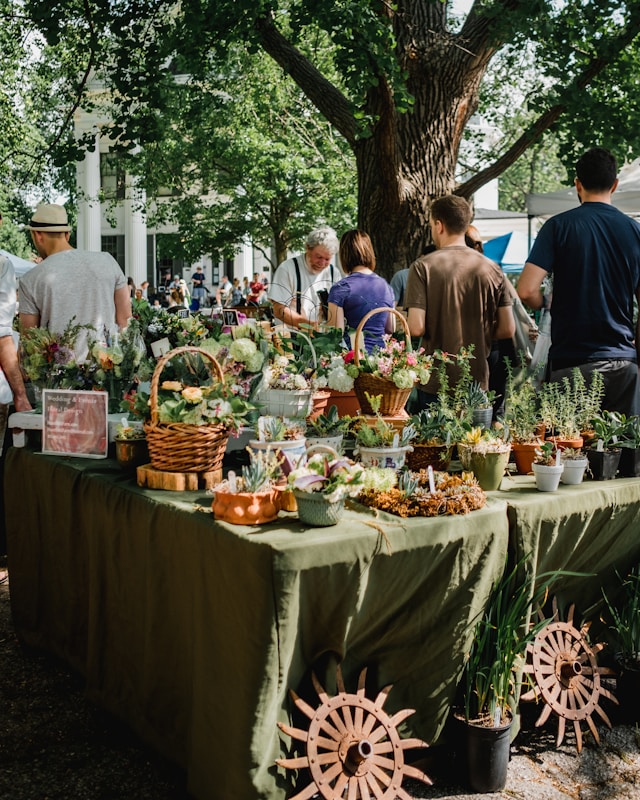


Not every product that sells at a farmers market is worth your time. Some products look appealing on a display table but have thin margins, take hours to produce for modest returns, or spoil before you can sell them. Others consistently sell well, cost very little to make, and generate real income every market day.
The difference between a profitable farmers market booth and one that barely breaks even usually comes down to product selection. The vendors who make good money aren't necessarily the best cooks or bakers at the market. They're the ones selling products with strong margins, efficient production ratios, and reliable customer demand.
This guide covers the specific product categories that consistently generate the best returns for home food vendors at farmers markets. For each category, you'll see why it works, what the margins look like, and what performs best. The focus is on products that work within typical cottage food or home production setups — nothing here requires a commercial kitchen or expensive equipment.
The short version: The most profitable foods to sell at farmers markets are products with low ingredient costs, fast production times, and strong shelf life. Cookies, spice blends, granola, jams, and brownies consistently deliver the best margins. Spice blends offer the highest markup (4x-10x), while cookies provide the best combination of volume, impulse-buy pricing, and reliable sell-through. Build a lineup of 3-5 complementary products at different price points.
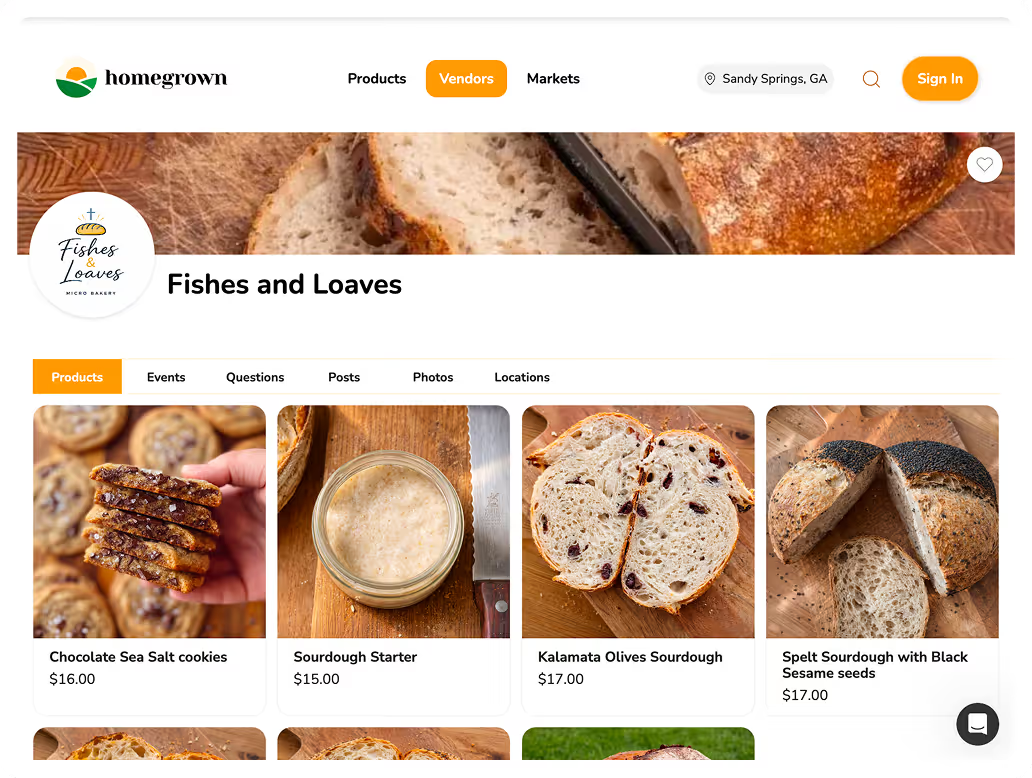
Once the numbers work, make ordering effortless. Take orders and get paid online in about 15 minutes — set up a Homegrown storefront ($10/mo, 0% commission), or compare the best platforms to sell food from home.
Three factors determine whether a product actually makes you money — not just sells, but generates real income after costs. Understanding these factors helps you choose the right products before you invest time and ingredients.
Margin per unit is the difference between what you sell a product for and what it costs to produce, including ingredients, packaging, and your time. A batch of cookies that costs $6 to make and sells for $42 (at $3.50 per cookie, 12 cookies) has a strong margin. A loaf of artisan bread that costs $8 to make (when you account for time) and sells for $10 has a thin margin regardless of how many you sell.
Production efficiency measures how many sellable units you can produce per hour of work. A product that generates 48 units in 90 minutes of total work is far more efficient than one that produces 4 units in the same time. Your time is your most constrained resource, especially if you're baking on top of a day job.
Sell-through rate reflects how easily a product moves at the market. Products priced at impulse-buy levels ($3 to $8) generate more transactions and have higher sell-through than products priced at $20 or more. High sell-through also means less unsold inventory to bring home.
Shelf stability is the safety net. Products that remain sellable for days or weeks after production mean that unsold inventory isn't wasted. Cookies that don't sell on Saturday can sell next Saturday. A cream puff that doesn't sell on Saturday goes in the trash.
Here's how the top product categories compare across these factors:
| Product | Ingredient Cost per Unit | Typical Sell Price | Markup | Shelf Life | Production Speed |
|---|---|---|---|---|---|
| Spice blends | $0.50-$1.50 | $6-$12 | 4x-10x | Years | Very fast |
| Cookies | $0.15-$0.50 | $2-$4 | 5x-8x | 1-2 weeks | Fast |
| Granola | $2-$4/lb | $8-$14/lb | 3x-4x | Months | Fast |
| Jams/preserves | $1.50-$3.00/jar | $7-$12 | 3x-4x | Months | Moderate |
| Brownies/bars | $0.25-$0.50 | $3-$5 | 6x-10x | 1-2 weeks | Fast |
| Bread | $1.50-$3.00/loaf | $8-$14 | 3x-5x | 1-2 days | Slow |
| Confections | $2-$4/lb | $12-$18/lb | 3x-5x | Weeks-months | Moderate |
With that framework, here are the product categories that consistently perform best.
Yes — cookies are the single most reliable profit generator for home bakers at farmers markets. They hit every profitability factor: low production cost, fast to make in volume, impulse-buy pricing, and excellent shelf life. See USDA local food economics research for additional context.
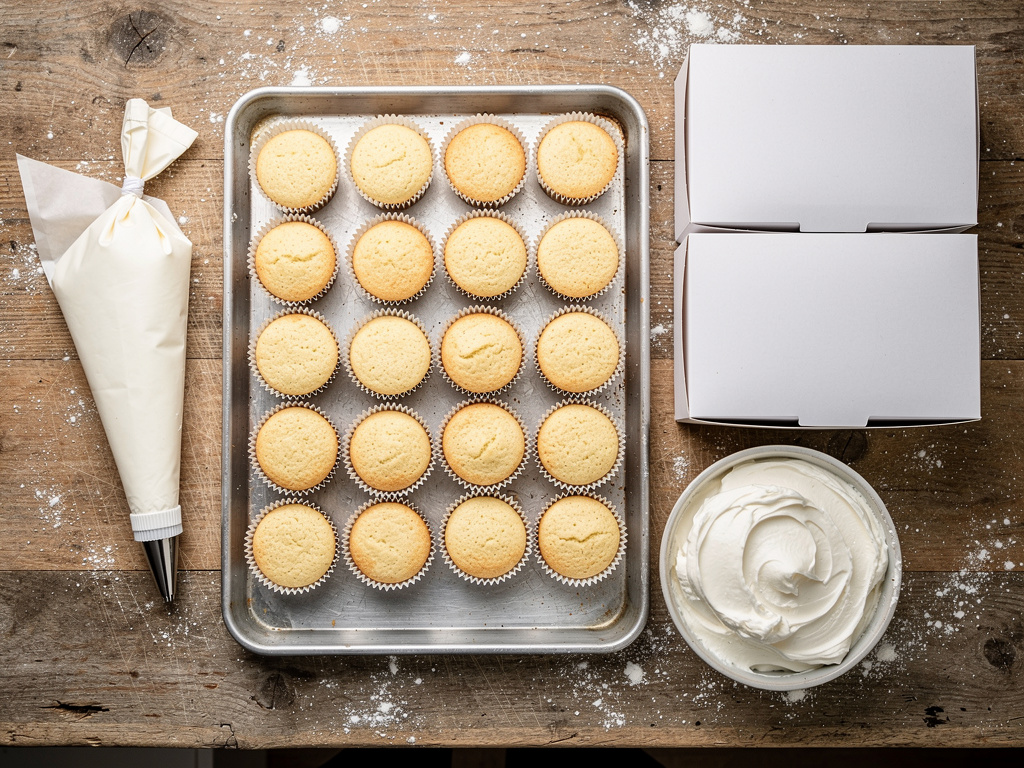
Why cookies are profitable: Ingredient cost per cookie ranges from $0.15 to $0.50 depending on the recipe and quality of ingredients. A batch of 48 cookies uses one mixing session and 2-3 rounds of oven time, taking about 60 to 90 minutes of total work. Cookies sell individually at $2 to $4 each or in bags and boxes of 6 or 12 for $8 to $16. At $3 per cookie, a batch of 48 generates $144 in revenue against maybe $10 to $15 in ingredient and packaging costs.
Cookies are impulse purchases. A customer who came to the market for produce will grab two cookies without thinking twice. This means high transaction volume and consistent sell-through.
What sells best:
Margin example: 48 cookies cost $12 in ingredients and $3 in packaging (bags, labels). At $3.50 each, that's $168 in revenue against $15 in direct costs. Even accounting for your time at $20/hour and 1.5 hours of work ($30), your net is over $120 on a single batch. For another high-margin baked good with strong impulse appeal, cinnamon rolls are one of the top 5 sellers at farmers markets.
Very profitable — brownies, lemon bars, blondies, and other bar cookies share cookies' advantages but feel more substantial to customers, which supports higher per-unit pricing.
Why they're profitable: A single 9x13 pan produces 12 to 16 servings. Ingredient cost per pan is typically $3 to $6. Individual brownies sell for $3 to $5 each, or $4 to $6 for premium varieties (salted caramel, walnut, espresso). A single pan can generate $40 to $80 in revenue. Production time is minimal — mixing takes 10 minutes, baking takes 25-35 minutes, cooling and cutting takes another 15 minutes.
Brownies and bars are also extremely shelf-stable when properly wrapped. Unsold inventory holds for a week or more without quality loss.
What sells best:
Tip: Pre-cut and individually wrapped brownies sell significantly better than cutting to order at the booth. The wrapping signals value, keeps the product sanitary, and makes the transaction faster.
Yes, but only if you price correctly. Bread can be very profitable at farmers markets, but the most common mistake bread vendors make is underpricing because they compare to grocery store bread. Your artisan loaf is not competing with grocery store bread — customers at the farmers market want artisan bread specifically because the grocery store doesn't have it.
Why bread is profitable when priced right: A loaf of sourdough costs $1.50 to $3.00 in ingredients. A well-made artisan loaf sells for $8 to $14 at farmers markets, sometimes higher for specialty varieties. That's a 3x to 5x markup on ingredients alone.
Considerations: Bread has a shorter optimal window than cookies or bars — best the day it's baked, acceptable for 1-2 days after. This creates some waste risk on slow days. Bread also produces fewer units per batch. A batch of dough that takes 4-6 hours (including rise times) produces 4-8 loaves, compared to 48+ cookies from a similar time investment.
What sells best:
Best approach for bread vendors: Limit your variety to 3-4 types per market day and bake to a conservative estimate of demand. Take pre-orders during the week so you know your baseline before deciding how much extra to bring.
Jams and preserves are among the most margin-favorable products available to home vendors at farmers markets because of their exceptional shelf life, low ingredient costs (especially with access to free or cheap fruit), and premium farmers market pricing.
High-acid fruit preserves are permitted under cottage food laws in most states and have characteristics that make them ideal for market selling.
Why preserves are profitable: An 8-ounce jar of jam costs $1.50 to $3.00 in ingredients (fruit, sugar, pectin) and packaging (jar, lid, label). That same jar sells for $7 to $12 at a farmers market. The margin gets better when you have access to inexpensive or free fruit — from your own garden, a neighbor's tree, or a pick-your-own farm.
Preserves are shelf-stable for months — zero spoilage risk. They're small, lightweight, easy to transport, and display beautifully on a table.
What sells best:
Production advantage: A single batch of jam produces 8 to 12 jars in about 2 hours of active work. At $9 per jar average, that's $72 to $108 in revenue from 2 hours of work. Sauces and condiments like BBQ sauce offer similar margins with even broader appeal — nearly every household buys BBQ sauce, making it a strong complement to your preserve lineup.
Granola is one of the highest-margin products in the cottage food world because it uses inexpensive pantry ingredients, scales easily in large batches, and has virtually unlimited shelf life. The profitable farm product research provides additional guidance on this.
Why granola is profitable: Ingredient cost for a pound of granola runs $2 to $4 depending on the mix-ins. A pound pre-packaged in 8-ounce or 12-ounce bags sells for $8 to $14 at farmers markets. Production is fast — mix, spread on sheet pans, bake 30-40 minutes, cool, bag, and label.
A single oven batch using two large sheet pans produces 3 to 4 pounds of granola. In 90 minutes of total work, you can produce $40 to $60 worth of product. No waste, no spoilage, and unsold bags carry over indefinitely.
What sells best:
Spice blends deliver the absolute highest margin-per-hour ratio at a farmers market because production time is minimal, ingredient cost is very low, and customers pay premium prices for well-curated blends.
Why spice blends are extremely profitable: A 2-ounce jar costs $0.50 to $1.50 in ingredients and packaging. That jar sells for $6 to $12 at a farmers market — a 4x to 10x markup. Production involves mixing dry ingredients, filling jars, and labeling. No cooking, no baking, no oven time, no cooling period. A single production session of 1-2 hours can yield dozens of jars.
Spice blends are compact and lightweight — you can display 20 or 30 jars in the space that a single loaf of bread occupies. They're also zero waste — spice blends don't expire for years.
What sells best:
Note: Check your state's cottage food law regarding spice blends. Most states permit them, but some have specific rules around dried herbs and seasoning mixes. For a complete guide to sourcing, producing, and pricing herb and spice products, see how to sell dried herbs and spice mixes from home.
Candy and confections are naturally profitable at farmers markets because they're batch-produced, shelf-stable, high-margin, and sell well as both personal treats and gifts. Fudge, toffee, caramels, chocolate bark, and other confections are natural farmers market products.
Why confections are profitable: Fudge costs $2 to $4 per pound to make and sells for $12 to $18 per pound at farmers markets. Individual pieces at $2 to $4 each drive fast impulse transactions. Gift appeal extends sales beyond personal consumption — customers buy confections as presents, often in larger quantities.
Confections also display beautifully. A table with rows of cut fudge, stacks of wrapped caramels, and pieces of chocolate bark creates visual appeal that draws foot traffic to your booth.
What sells best:
Fresh lemonade and other non-alcoholic beverages have extraordinary margins and generate the fastest transactions at any farmers market. A cup of fresh lemonade costs $0.15 to $0.30 in ingredients and sells for $3 to $5. On a warm Saturday, a popular lemonade stand can sell 100+ cups — that's $400 in revenue against $30 in ingredient costs.
Important caveat: Beverages are often regulated separately from food under cottage food laws. Some states permit non-hazardous beverages like lemonade under cottage food rules. Others require a separate license. Check your state's rules specifically for beverages before adding them to your lineup.
Some products have customer appeal but present profitability challenges. Here's a quick comparison:
| Product | Issue | Per-Hour Return | Better Alternative |
|---|---|---|---|
| Custom decorated cookies | 3-4 hours labor for 12 units | $8-$12/hr after ingredients | Sell as premium pre-orders, not market inventory |
| Fresh pastries/croissants | Short shelf life, stale by mid-morning | Moderate but high waste risk | Shelf-stable baked products |
| Refrigerated products | Excluded from many cottage food laws | Varies | Shelf-stable alternatives |
| Elaborate layer cakes | 5+ hours for one product | $7/hr before ingredients | Batch-friendly products like cookies |
The food market trend reports provides additional guidance on this.
Use the floor price formula: add up your ingredient cost, packaging cost, and time cost per unit, then multiply by at least 2 to 3. That's your minimum price. Anything below that and you're losing money or working for free.
Then check what comparable products sell for at your specific market. Walk the market as a customer before you start selling. Note what other vendors charge for similar products. Farmers market customers expect artisan pricing — they're at the market specifically because they want quality local food, not because they're looking for bargains.
For a complete breakdown of how to set farmers market prices including the full cost calculation, how to price food products for a farmers market covers this in detail.
Build a small lineup of 3 to 5 complementary products at different price points rather than picking just one. The most profitable approach maximizes your revenue per customer through natural upselling.
A strong lineup includes:
This structure gives every customer an entry point and creates natural upselling. The customer came for bread, noticed the cookies, and grabbed a jar of jam. Your revenue from that customer just went from $10 to $23.
If you're a home baker looking to set up your first market booth, how to start a baking business from home covers the full setup from legal requirements through production planning. For farm stand vendors choosing their product mix, what to sell at a farm stand covers the same decision framework with a focus on stand-specific display and walk-in traffic patterns. And for maximizing the value of your existing produce or ingredients, adding value-added products to your farm stand explains how to transform $4 strawberries into $36 of jam.
Pre-orders between market days can add 20 to 40 percent to your weekly revenue without requiring additional market days. Many successful farmers market vendors extend their income beyond market day by taking pre-orders for local pickup during the week.
Pre-orders have significant advantages over market-only sales:
The math is simple: selling between markets with online orders increases your revenue without adding market days, extra booth fees, or early mornings. You're making money from the same products on the days you'd otherwise have zero sales.
But the ordering tool you use has its own cost — and in a business where you're tracking margins on every cookie, the platform cost matters.
Text messages and Instagram DMs cost nothing upfront, but the time you spend tracking orders, confirming payments, and coordinating pickups is time you're not producing. At $20/hour of production value, spending 3 hours a week managing DMs costs you $60 in lost production — more than any platform fee.
Etsy charges 6.5% of every sale plus $0.20 per listing plus payment processing. On $200/week in pre-orders, that's $15+ going to Etsy every week. Over a market season, those percentage fees add up to hundreds of dollars — and Etsy owns the customer relationship, not you.
Shopify starts at $39/month. If your pre-orders bring in $400/month between markets, Shopify is eating 10% of your revenue before you've sold a single cookie.
Homegrown costs $10/month — less than a bag of premium flour. Your regulars see what's available, order and pay ahead for pickup, and you get a clean order list. No percentage fees on top of standard payment processing, no per-listing charges, and your customer list belongs to you.
| Ordering Method | Monthly Cost on $400/mo Pre-Orders | You Own the Customer List? |
|---|---|---|
| Text/DM | $0 (but ~$240/mo in lost production time) | Yes |
| Etsy | ~$30/mo (6.5% + fees) | No |
| Shopify | $39/mo + processing | Yes |
| Homegrown | $10/mo + processing | Yes |
Homegrown doesn't do shipping, wholesale, or custom order quoting. It handles one thing: letting your local customers see what you're selling this week, order it, and pay — so you can focus on production, not order management.
The combination of market-day sales plus between-market pre-orders is the model that turns a farmers market side hustle into consistent weekly income. For a deeper look at this topic, see selling baked goods.
Spice blends offer the highest markup (4x-10x) and fastest production time, making them the most profitable on a per-hour basis. However, cookies are the most reliable overall profit generator because they combine strong margins with high sell-through volume and impulse-buy pricing. Most successful vendors sell a mix of both high-margin and high-volume products.
Most established vendors at mid-size farmers markets earn $400 to $800 per market day in gross revenue. After subtracting ingredient costs (25-35% of revenue), booth fees ($20-$60), and packaging, net income typically runs $250 to $550 per market day. Your first few markets will likely be lower as you build a customer base.
No. Most farmers market vendors selling baked goods, jams, granola, spice blends, and similar products operate under cottage food laws, which allow production in your home kitchen. Some farmers markets may have additional requirements beyond cottage food compliance, so check with your specific market.
Avoid products that require refrigeration (excluded from most cottage food laws), highly perishable products like fresh pastries that go stale quickly, and time-intensive products like custom decorated cookies that generate poor hourly returns. Start with shelf-stable, batch-friendly products that scale well.
Start with 3 to 5 complementary products at different price points. Include at least one impulse-buy product ($3-$8), one staple product ($8-$14), and optionally one premium product ($15-$25). This gives every customer an entry point while maximizing your average transaction value.
Calculate your total cost per unit (ingredients + packaging + time), then multiply by 2 to 3 for your minimum price. Check what similar products sell for at your specific farmers market and price at or slightly above the average. Farmers market customers expect artisan pricing and are willing to pay for quality.
Focus on shelf-stable products that can be sold at the next market if unsold. Take pre-orders between market days to produce to known demand. Bake to conservative estimates your first few markets, then adjust quantities based on actual sales data. Avoid perishable products that must be discarded after one day.