

Getting your farm stand on Google Maps takes about 15 minutes through Google Business Profile (formerly Google My Business). You create a free listing with your farm stand name, address, hours, product categories, and photos. Once verified — usually by a postcard mailed to your address — your farm stand appears on Google Maps and in local search results. When someone nearby searches "farm stand near me" or "fresh bread near me," your listing shows up with your location, hours, reviews, and photos. This is the single highest-impact free marketing tool for a farm stand.
The short version: Create a Google Business Profile at business.google.com. Enter your farm stand name, address, category (Farm or Farmers Market), hours, and a description of what you sell. Add 5 to 10 photos of your products and stand. Google will mail a verification postcard to your address (takes 5 to 14 days). Once verified, your farm stand appears on Google Maps. Optimize by responding to reviews, posting updates weekly, and adding your ordering link. Local customers who search for farm stands, fresh bread, or local honey will find you without you spending a dollar on advertising.
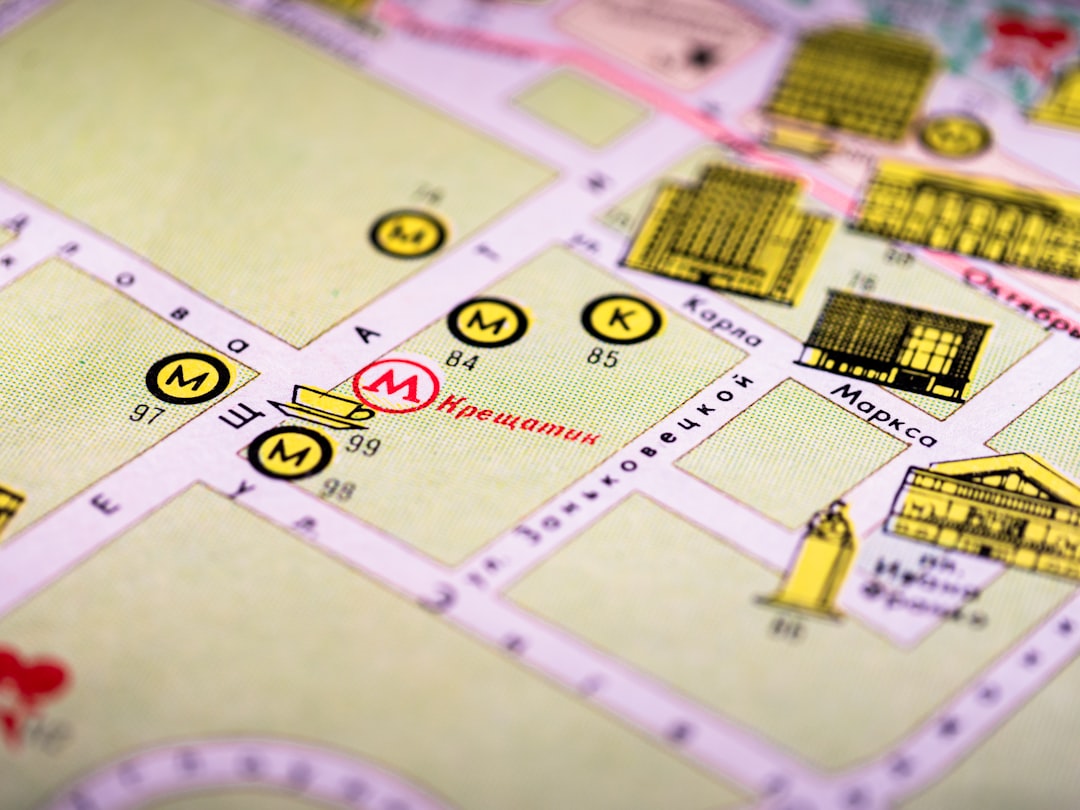
When someone in your area types "farm stand near me" into Google or opens Google Maps and searches for local food, they see a map with pins showing nearby farm stands. If your stand is not on the map, you are invisible to every one of those searchers.
Here is what Google Maps does for a farm stand:
For a farm stand that relies on drive-by traffic and local awareness, Google Maps is the digital equivalent of having a sign on every road in your county pointing to your stand. As UNH Extension explains, claiming your Google Business Profile is one of the highest-impact free marketing moves a farm business can make — it is free and reaches people actively searching for what you sell.
Visit business.google.com and click "Manage now" or "Get started." You will need a Google account (a Gmail address works).
Use your farm stand name. If you do not have a business name, use your personal name plus what you sell: "Smith's Farm Stand" or "Sarah's Sourdough Stand." Keep it simple and searchable.
Google uses categories to determine when your listing appears in search results. The most relevant categories for a farm stand:
You can select one primary category and several secondary categories. Choose "Farm" as your primary and add "Bakery" or other relevant secondaries.
Enter the physical address of your farm stand. If your stand is at your home, use your home address. Google will use this to place your pin on the map and provide directions.
If you do not want your home address publicly visible, you can choose "I deliver goods and services to my customers" instead of "Customers visit my business." However, this removes the map pin, which defeats the purpose for a farm stand. Most farm stand operators list their address because customers need to find the physical location.
If you also sell beyond your farm stand location (at farmers markets, through online pre-orders with delivery), you can add a service area. For most farm stands, the physical address is sufficient.
Add your phone number and your website or ordering page URL. If you have an online ordering page, use that link as your website — customers who find you on Google can tap the link and order directly.
Google needs to verify that your business exists at the address you listed. The most common method is a verification postcard mailed to your address. The postcard contains a code that you enter into your Google Business Profile to confirm ownership. This takes 5 to 14 days.
Some businesses qualify for phone or email verification, which is faster. Google will show you the available options during setup.
After verification, fill out every section of your profile:
Google listings with photos get 42% more direction requests and 35% more website clicks than listings without photos. Upload at least 5 photos:
Use the same photo quality standards as Instagram: natural light, clean background, no heavy filters. Google photos should look inviting and accurate.
A basic Google listing is good. An optimized listing is great. Here is how to make your listing rank higher and convert more viewers into visitors:
Include the terms people search for: "farm stand," "fresh vegetables," "homemade bread," "local honey," your city name, your county name, and your neighborhood name. A description like "Fresh sourdough bread, seasonal produce, and local honey at our farm stand in [City], [County]. Open Saturdays 9 AM to 1 PM" hits multiple search terms naturally.
Google Business Profile has a "Posts" feature that works like mini social media updates. Post once per week with what is available at your stand: "This Saturday: heirloom tomatoes, sourdough loaves, and strawberry jam. Open 9 AM to 1 PM." These posts appear on your listing and show Google that your business is active.
After every positive customer interaction, ask for a Google review: "If you enjoyed your visit, I would really appreciate a quick Google review — it helps other people find us." Provide a direct link to your review page (Google Business Profile generates a shareable review link).
Reviews boost your ranking in local search results. A farm stand with 20 five-star reviews ranks significantly higher than one with zero reviews, even if they are in the same location.
Reply to every review, positive and negative. A simple "Thank you, [name]! Glad you enjoyed the sourdough. See you next Saturday!" shows future customers that you are engaged and attentive. Responding also signals to Google that you are an active business owner, which can improve your ranking.
Update your hours for seasonal changes (open May through October, closed November through April). Update your product list when seasonal items change. Mark special hours for holidays. Outdated information frustrates customers who drive out expecting you to be open and find the stand closed.
Google Business Profile results are not instant, but they build steadily:
The key is consistency: post weekly, respond to reviews, and keep your information current. Google's own local ranking guide lists relevance, distance, and prominence as the three factors that determine when your stand shows up — and prominence is the one you can influence through reviews and accurate information.. A neglected listing drops in ranking. An active listing climbs.
For more on driving traffic to your farm stand through other channels, see our guide on how to drive traffic to a farm stand with no advertising budget.
Google Business Profile asks for a website URL. Most farm stand vendors link to their Instagram, their Facebook page, or nothing at all. None of those convert a Google searcher into a paying customer.
The URL in your Google listing should go to a page where someone can see what you sell, place an order, and pay — not a social media feed they have to scroll through to figure out if you have bread this week.
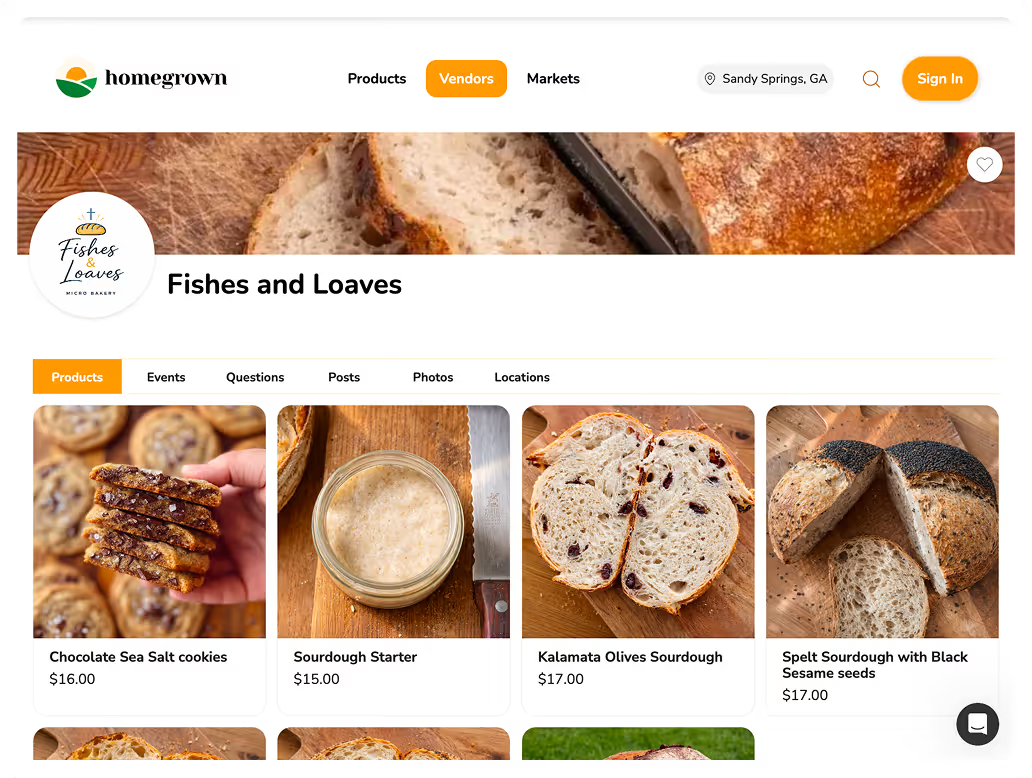
Homegrown costs $10/month with no percentage fees and gives you an ordering page you can link directly from your Google listing. A customer searches "farm stand near me," finds your listing, taps the link, sees your products and prices, and places an order before they even drive to your stand. Linking to your Facebook page sends them to a feed full of unrelated posts and no ordering path. A Linktree or link-in-bio page adds a click between the customer and the purchase for no reason. Homegrown does not set up your Google Business Profile, write your description, or manage your reviews — this guide covers those. What it does is give the Google listing a destination that turns a map search into a prepaid order.
If you sell exclusively through online pre-orders with porch pickup or farmers market pickup, a Google Business Profile still works but functions differently:
For most farm stand vendors with a physical location where customers visit, the standard Google Business Profile with a visible address is the right choice. Your stand IS the business location.
For connecting your Google presence to your ordering system, our comparison of the best platforms to sell food from home covers how to link your ordering page to your Google listing.
Yes, completely free. There are no subscription fees, per-click costs, or premium tiers. Google makes money from ads that appear above your listing, not from the listing itself. Your organic listing costs nothing.
Postcard verification takes 5 to 14 days. Some businesses qualify for instant verification via phone or email. Do not request a second postcard until at least 14 days have passed — duplicate requests can delay the process.
Yes. A website is not required. Your Google listing can stand alone with your address, hours, photos, and phone number. However, adding a link to your ordering page gives customers a direct path to purchase, which significantly increases your conversion from Google views to actual orders.
Update your hours seasonally. Mark your stand as "Temporarily closed" during the off-season rather than deleting your listing. This preserves your reviews, photos, and search ranking so you do not start over when you reopen.
Google does not require a business license to create a listing. However, if your state requires a cottage food permit to sell food, you should be compliant before promoting your business publicly. A Google listing makes your business more visible, which means non-compliance is also more visible.
Ask every satisfied customer. The most effective method: after they pick up their order, send a text or DM with your Google review link: "If you have 30 seconds, a Google review helps other people find us. Here is the link: [your review URL]. Thank you!" Most customers who are happy with your products will leave a review if you make it easy.
Yes. If you sell at a farm stand AND at a farmers market, you can create separate Google Business listings for each location. Each listing has its own address, hours, photos, and reviews. This is useful if your market location brings in different customers than your farm stand.
Not immediately. New listings typically take 1 to 2 weeks to appear in local search results after verification. Google needs time to index your listing and evaluate its relevance. During this period, focus on completing every section of your profile, uploading photos, and posting your first update. Listings with complete information rank faster than bare-bones profiles. After the initial indexing period, your visibility will steadily increase as you accumulate reviews and post regular updates. The effort you put into your Google Business Profile in the first month pays dividends for years — it is one of the few marketing investments that continues generating new customers without ongoing spending. Your Google Business Profile is the foundation of your farm stand's online presence — everything else you do on Instagram, Facebook, and Nextdoor works better when customers can find you on the map first.