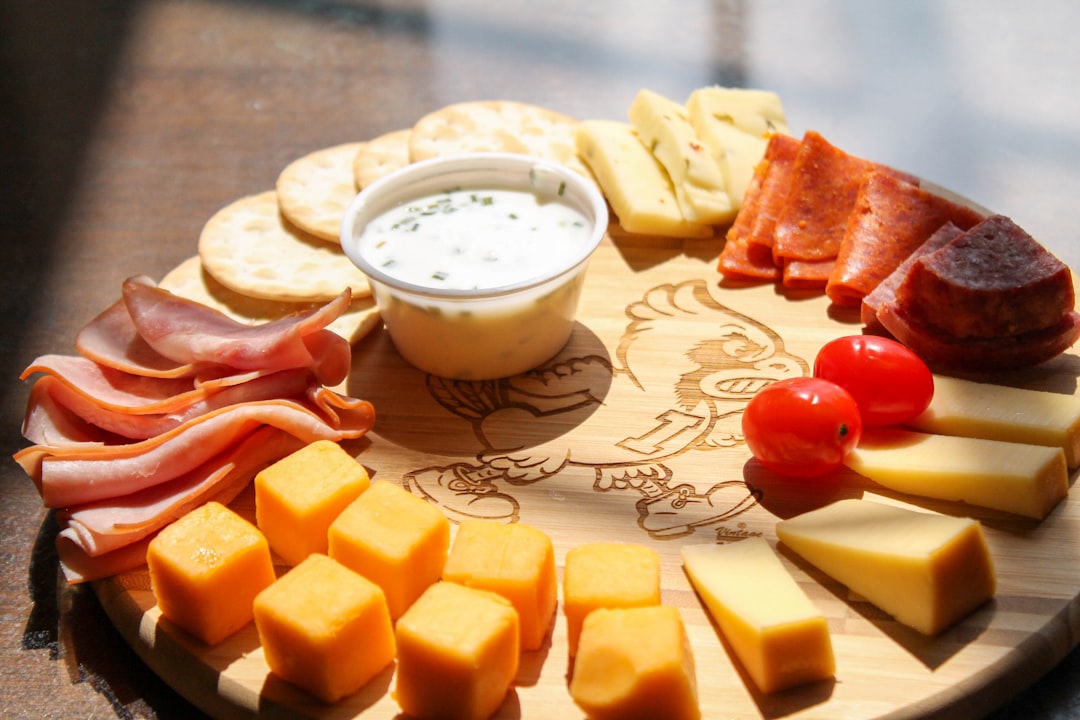


Charcuterie boards are one of the hottest food businesses right now. A single board that costs $15 to $25 in ingredients can sell for $50 to $150 depending on size and presentation. The demand is massive — birthdays, weddings, corporate events, girls' nights, holiday parties, and date nights all drive steady orders year-round.
But here is the part most "how to start a charcuterie business" guides skip: charcuterie boards with meat and cheese do not qualify under cottage food laws in most states. Cottage food laws cover shelf-stable, non-perishable items like baked goods and jams. Charcuterie boards contain perishable proteins and dairy that require temperature control — making them potentially hazardous foods that need a higher level of licensing.
That does not mean you cannot sell them. It means the legal path is different from baking cookies. This guide covers how to sell charcuterie boards from home legally, including licensing options, equipment, sourcing, pricing, food safety, and where to find customers.
The short version: Selling charcuterie boards requires more licensing than standard cottage food products because they contain meat and cheese. In most states, you need a food handler's permit, a home kitchen inspection or commercial kitchen access, and a food business license. Startup costs run $500 to $2,000 (mostly ingredients and serving supplies). A single board costs $15 to $25 to make and sells for $50 to $150. Most home charcuterie businesses start with event orders and online pre-orders through local pickup.
In most states, no — at least not boards with meat and cheese. Here is why:
Cottage food laws are designed for shelf-stable, non-potentially-hazardous foods — products that do not need refrigeration to stay safe. Baked goods, jams, honey, and candy qualify because they have low moisture and low risk of bacterial growth.
Charcuterie boards contain:
The University of Nebraska-Lincoln's food safety guide states that cut produce and cheeses should not be kept at room temperature for more than 2 hours total — or just 1 hour if the temperature is above 90 degrees. This "2-hour rule" is why charcuterie boards fall outside cottage food law in most states.
Exceptions and workarounds:
Bottom line: Check your state's Department of Agriculture or Health Department website. You likely need a food business license, not just a cottage food registration. This is a higher bar, but it is achievable.
The exact requirements depend on your state and county, but most charcuterie businesses need some combination of:
Most states require at least a basic food handler's permit to sell perishable food. This is an online course and exam that takes 2 to 4 hours and costs $10 to $25. Some states accept the national ServSafe certification instead.
Some states allow home kitchen inspections for food businesses that go beyond cottage food. An inspector checks your kitchen for proper handwashing facilities, refrigeration, and food storage. Other states require you to prepare food in a licensed commercial kitchen.
Commercial kitchen rental options:
A standard business license from your city or county is typically required for any food business selling perishable items. Cost varies from free to $100 depending on location.
While not legally required in every state, liability insurance is strongly recommended for a business selling perishable food. Policies for small food businesses start at $200 to $500 per year.
| Requirement | Typical Cost | Time to Get |
|---|---|---|
| Food handler's permit | $10-$25 | Same day (online) |
| Home kitchen inspection | $0-$100 | 1-4 weeks |
| Commercial kitchen rental | $15-$30/hour | Immediate |
| Business license | $0-$100 | 1-2 weeks |
| Liability insurance | $200-$500/year | Same day |
Total licensing cost: $250 to $750 to get fully set up.
Charcuterie boards require minimal specialized equipment. Most of what you need is already in your kitchen.
Your ingredient cost is the biggest variable. Here is what a mid-range board includes:
| Component | Examples | Cost (per board) |
|---|---|---|
| Cured meats (3 types) | Salami, prosciutto, sopressata | $5-$8 |
| Cheeses (3 types) | Brie, aged cheddar, gouda | $4-$7 |
| Crackers and bread | Assorted crackers, baguette slices | $2-$3 |
| Fresh fruit | Grapes, berries, figs | $3-$5 |
| Nuts and dried fruit | Almonds, walnuts, apricots | $1-$2 |
| Olives and pickles | Mixed olives, cornichons | $1-$2 |
| Dips and spreads | Honey, mustard, fig jam | $1-$2 |
| Garnish | Fresh herbs, edible flowers | $0.50-$1 |
| Total ingredient cost | $17.50-$30 |
Where to save:
Charcuterie boards are a premium product. Do not underprice them.
| Size | Serves | Ingredient Cost | Retail Price | Margin |
|---|---|---|---|---|
| Small (personal/date night) | 2 | $12-$15 | $40-$55 | 65-73% |
| Medium (gathering) | 4-6 | $20-$28 | $65-$90 | 69-73% |
| Large (party) | 8-12 | $30-$45 | $100-$150 | 70-75% |
| Grazing table (event) | 20+ | $60-$100 | $200-$400 | 70-75% |
Your time is an ingredient. A medium board takes 30 to 45 minutes to assemble, plus shopping and sourcing time. Factor your labor into pricing — a $65 board that takes an hour of total work (including sourcing) earns $35 to $45 per hour after ingredients.
The Mississippi State University Extension notes that shelf-stable cured meats, hard cheeses, crackers, dried fruits, and nuts are safe at room temperature, but perishable items like soft cheeses, fresh-sliced deli meats, and dips must be temperature-controlled.
Pre-orders are the ideal model for charcuterie because you make each board to order. No waste, no leftover inventory. Set up an ordering page with your board sizes and options, and let customers pick a date for pickup.
For help setting up online ordering, read our guide on adding online ordering to your existing business.
Weddings, corporate lunches, holiday parties, and baby showers are the bread and butter (literally) of charcuterie businesses. A single event order can range from $100 to $500. Build a portfolio of your boards on Instagram and customers will find you through social media and word of mouth.
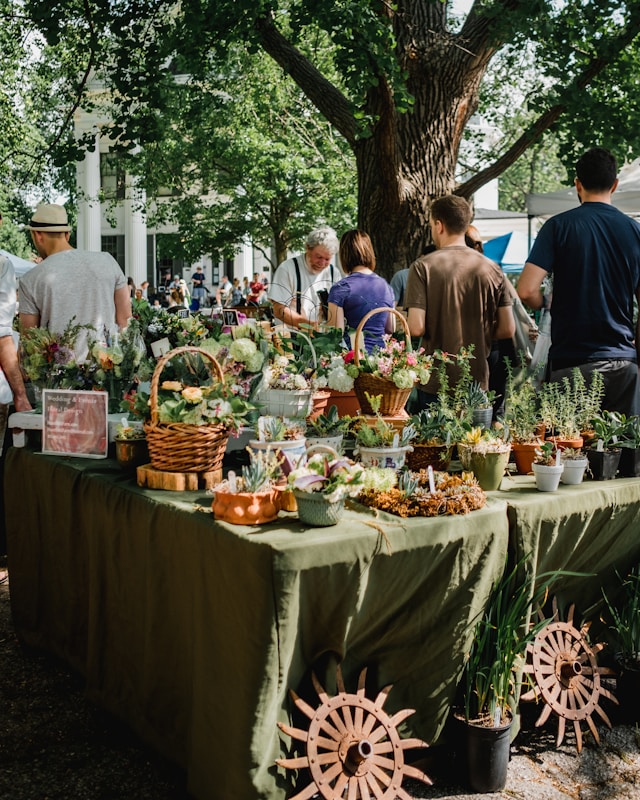
Some vendors sell pre-made grazing boxes at farmers markets — smaller, individually portioned charcuterie boxes sealed and kept on ice. This works when you can keep the product at safe temperatures throughout the market day.
Coffee shops, wine bars, and boutique stores often want to offer charcuterie boards for events or retail. Partner with a local wine shop to offer "wine and cheese board" bundles. Approach offices and co-working spaces for corporate lunch orders.
For more unconventional sales channels, read our guide on how to sell food without a farmers market.
Start your free trial at Homegrown
Yes, but you typically need more licensing than standard cottage food products. Because charcuterie boards contain perishable meat and cheese, most states require a food handler's permit, a business license, and either a home kitchen inspection or access to a commercial kitchen. Standard cottage food registration is usually not enough. Check with your state's health department for specific requirements.
Most home charcuterie vendors earn $1,000 to $4,000 per month from 10 to 30 orders, depending on board sizes and event bookings. A vendor filling 5 medium board orders per week at $75 each earns $1,500 per month with ingredient costs around $500 — netting roughly $1,000 per month in profit before licensing and supplies.
Small boards (2 people) typically sell for $40 to $55, medium boards (4-6 people) for $65 to $90, and large party boards (8-12 people) for $100 to $150. Grazing tables for events of 20 or more start at $200. Price based on your ingredient cost multiplied by 2.5 to 3.5x — this covers ingredients, labor, packaging, and profit.
A prepared charcuterie board should be consumed within 2 hours at room temperature. Refrigerated, a fully assembled board is best within 24 hours. Individual components (sealed meats, whole cheeses) last longer, which is why many vendors assemble boards the morning of pickup rather than the night before.
While not legally required in every state, liability insurance is strongly recommended because you are selling perishable food that requires temperature control. A food business liability policy starts at $200 to $500 per year and protects you if a customer claims they got sick from your product.
A grazing box is an individually portioned version of a charcuterie board, typically packaged in a box with a clear lid. Grazing boxes are easier to sell at farmers markets and through online pre-orders because they are sealed, portion-controlled, and easier to keep at safe temperatures. Boards are better for events and catering where you assemble on-site or deliver close to serving time.
Charcuterie boards sit in a gray area of food regulation because they combine multiple product categories: cured meats (USDA regulated), cheese (dairy inspected), fresh fruits (produce regulations), crackers (shelf-stable goods), and sometimes nuts, spreads, or honey. In most states, selling assembled charcuterie boards from a home kitchen requires more than a cottage food permit. You'll likely need a food handler's license, a commercial kitchen or home kitchen inspection, and potentially a TCS (Time/Temperature Control for Safety) food permit because meat and cheese are perishable.
Contact your county health department before you fill a single board. Ask specifically: "Can I assemble and sell charcuterie boards from my home kitchen?" Get the answer in writing or via email. Some counties allow it with a standard food handler's permit if all components are purchased from licensed suppliers (you're assembling, not manufacturing). Others require a full commercial kitchen. A few states, like California, have expanded cottage food programs that might cover assembled boards if you meet specific requirements.
Your cost per board depends heavily on size and component quality. A standard "serves 2-4" board typically includes: 4-6 oz cured meats (salami, prosciutto, coppa — $3-5 at wholesale), 4-6 oz cheese (2-3 varieties — $4-7), crackers or breadsticks ($1.50-2), fresh fruit (grapes, berries, fig — $2-4), dried fruit and nuts ($1.50-2), and optional extras like olives, honey, or mustard ($1-2). The board or box itself costs $2-4. Total component cost: $15-26 per board depending on ingredient quality.
Price boards at 2.5x-3x your total component and labor cost. A $20 cost board with 30 minutes of assembly time ($10 labor at $20/hr) = $30 total cost. Sell at $75-90 for a "serves 2-4" board. A $35 cost board for "serves 6-8" with 45 minutes of assembly = $50 total cost. Sell at $125-150. These prices sound high until you compare them to what restaurants and catering companies charge ($18-25 per person for charcuterie). Your $90 board for 4 people is $22.50 per person — competitive with restaurant pricing but delivered to their door with zero effort on their part.
Never pre-make charcuterie boards and hope they sell. Every board should be a pre-order with at least 48 hours lead time. This eliminates waste entirely — you buy components only after you have a confirmed, paid order. Take orders through your online store, Instagram DMs, or a simple Google Form that asks: board size, number of guests, dietary restrictions (no pork, nut-free, dairy-free), pickup date and time, and occasion (this helps with styling). Require full payment at ordering to avoid last-minute cancellations on perishable products.
Assemble boards as close to pickup time as possible — ideally within 4 hours. Cured meats start to dry out and cheese begins to sweat after 6-8 hours at room temperature. If you offer delivery, invest in insulated delivery bags and include an ice pack during warm months. Set a maximum of 6-8 boards per day to maintain quality and your sanity. At $85 average per board and 6 boards per day, a single delivery day generates $510 in revenue. Run two board days per week (Friday and Saturday for weekend events) and you're at $4,000/month in revenue with manageable production hours.
Selling charcuterie boards requires more licensing paperwork than baking cookies. But the profit per order is dramatically higher. One $100 party board earns more profit than 50 bags of cookies.
Get your licensing in order, build a portfolio of beautiful boards, and start taking pre-orders. The demand is there — you just need to meet it legally and safely.
Start your free trial at Homegrown
Charcuterie boards require more food safety planning than most cottage food products because you are often working with perishable meats and cheeses that need proper temperature control. Check your local health department requirements before you start, since many areas require a food handler permit and a licensed kitchen for meat-based boards. Price your boards based on the total cost of ingredients, packaging, and your assembly time, then add a margin that accounts for the artistic skill involved. Most successful charcuterie vendors start with three board sizes and build custom options from there.