

A food subscription box is the closest thing a home-based vendor gets to predictable, recurring revenue. You know exactly how many boxes to make, you collect payment before you produce, and customers come back every month without you having to sell them again.
The short version: Start with 15-30 local subscribers. Include 5-6 shelf-stable items per box. Price at $35-$45 for a 40-50 percent margin. Use local pickup (not shipping) to keep costs low and stay compliant with cottage food laws. Build your subscriber list from your existing market customers and email list. Subscription box churn averages 10-12 percent monthly for curated boxes, so retention is the real business.
The food subscription box market hit $5.2 billion in 2024 and is growing at 10.5 percent annually. But you do not need to compete with HelloFresh or Blue Apron. Your advantage is the opposite: handmade products, a local story, and the ability to know your subscribers by name.
Here is why the subscription model fits a home kitchen operation:
Twenty to fifty subscribers is the sweet spot for a one-person operation. That is enough to generate $700-$2,250 per month in recurring revenue while keeping production manageable in a home kitchen.
The key constraint is cottage food compliance. Your box needs to contain shelf-stable products that you are legally allowed to sell in your state. That rules out refrigerated items, raw dairy, and anything requiring temperature control in most states.
| Category | Examples | Why It Works |
|---|---|---|
| Baked goods | Cookies, brownies, shortbread, quick bread, biscotti | High perceived value, easy to variety-rotate monthly |
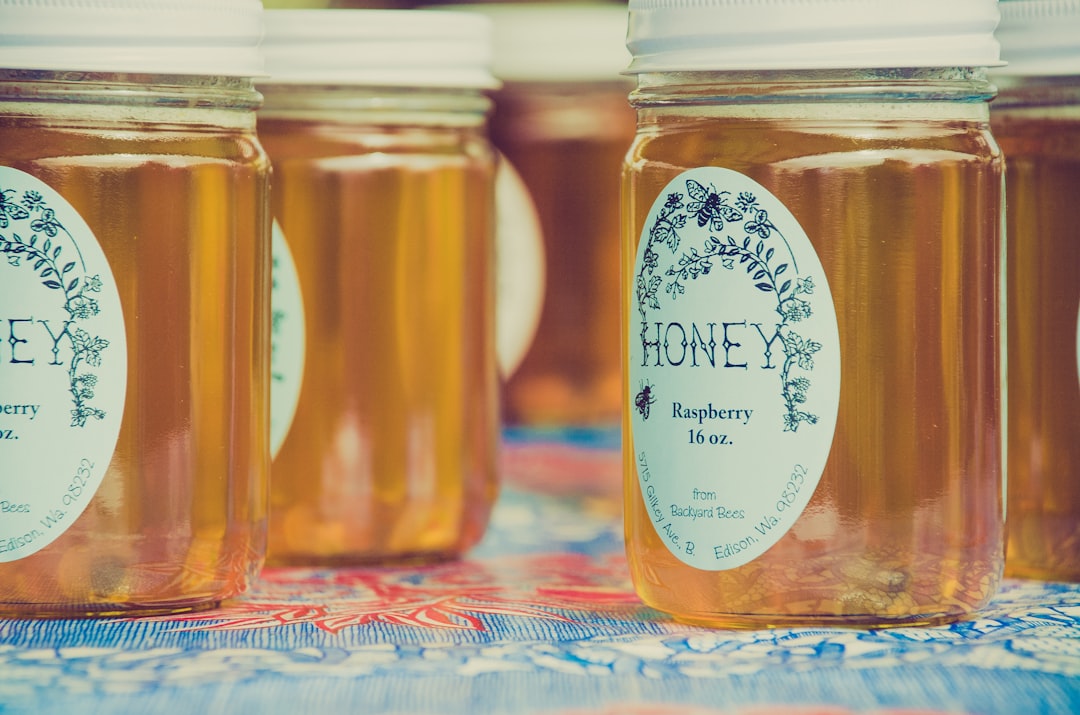
| Preserved foods | Jams, fruit butters, pickles, hot sauce, honey | Long shelf life, great for themed boxes |
| Dry mixes and blends | Spice blends, pancake mix, soup mix, cookie mix | Lightweight, shelf-stable, unique |
| Candy and confections | Caramel, toffee, fudge, candied nuts | Impulse items that feel indulgent |
| Granola and snacks | Granola, trail mix, popcorn, dried fruit | Easy to produce in batches |
| Beverages (dry) | Tea blends, hot cocoa mix, lemonade mix | Rounds out the box without adding weight |
Five to six items is the standard for a small artisan food box. This gives enough variety to feel exciting without overwhelming your production schedule. Each item can be a smaller portion than what you would sell individually — a 4-ounce jar of jam instead of 8-ounce, a half-dozen cookies instead of a full dozen.
Rotating your box contents by season keeps subscribers engaged and gives them something to look forward to:
You do not need to reinvent the box every month. Change two to three items and keep two to three staples that subscribers love. Consistency builds trust. Surprise builds excitement.
Pricing a subscription box follows a simple formula, but most vendors underprice because they forget to account for packaging and labor.
Total Cost per Box = Ingredients + Packaging + Labor + Overhead
Then: Retail Price = Total Cost / (1 - Target Margin)
| Cost Component | Amount |
|---|---|
| Ingredients (6 items) | $12.00 |
| Packaging (box, tissue, insert) | $1.50 |
| Labels and branding | $0.50 |
| Labor (45 minutes at $15/hour) | $11.25 |
| Overhead (portion of tools, utilities) | $1.50 |
| Total cost per box | $26.75 |
At a 40 percent target margin: $26.75 / 0.60 = $44.58
Round to $45. That is your monthly subscription price.
Small artisan food boxes typically sell for $25-$55 per month. Most cottage food vendors land in the $35-$45 range. Under $30 usually means you are not accounting for your labor. Over $50 requires a strong brand story and premium products.
Offer a discount for multi-month commitments to reduce churn and improve cash flow:
| Commitment | Discount | Example (at $45/month) |
|---|---|---|
| Monthly (no commitment) | None | $45/month |
| 3-month prepaid | 10% off | $121.50 ($40.50/month) |
| 6-month prepaid | 15% off | $229.50 ($38.25/month) |
| 12-month prepaid | 20% off | $432 ($36/month) |
Prepaid subscribers are dramatically less likely to cancel. They have already invested in the relationship.
For a home-based cottage food vendor, local pickup is almost always the right starting model.
Set one or two pickup windows per month:
Send a reminder text or email 24 hours before pickup. Have a simple signup list to track who has collected their box.
Your cottage food laws apply to subscription sales the same way they apply to individual sales. No state currently treats a recurring subscription differently from a one-time purchase. If you can legally sell cookies at a farmers market, you can sell a monthly cookie subscription.
Key legal points:
You do not need a waitlist of 500 people. You need 20 subscribers who already know and trust your products.
Your farmers market regulars, email list subscribers, and social media followers are your warmest leads. They have already bought from you and liked what they got.
Offer 30-50 percent off the first box to lower the barrier. A $45 box at $22.50 for the first month costs you about $27 in product and labor — well worth acquiring a customer who may subscribe for six months or longer.
"Refer a friend, get your next box free" costs you only the $27 in COGS for the free box — far less than any paid advertising. One happy subscriber who refers two friends doubles your subscriber count from that single customer.
Keep it simple. You do not need subscription management software for 20-50 subscribers.
A simple Google Sheet with columns for: subscriber name, email, phone, subscription start date, plan type (monthly/prepaid), payment status, and pickup confirmation. Update it once per billing cycle.
Above 30 subscribers, a spreadsheet starts costing you time. You need a platform that collects payment when someone subscribes and shows you exactly how many boxes to make each month.
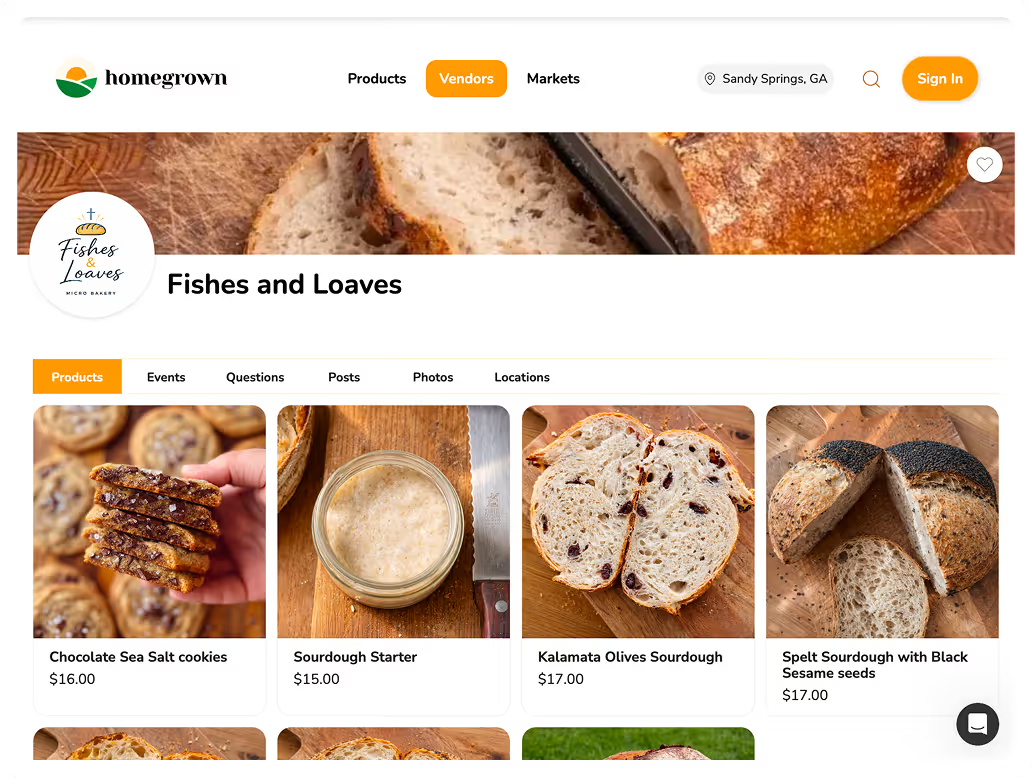
Homegrown is $10/month with no percentage fees — subscribers see your box, pay upfront, and choose pickup or a delivery window. You get one list of paid orders before you start production. No chasing payments, no reconciling a spreadsheet against Venmo.
Cratejoy charges $39/month plus transaction fees and is built for shipped boxes with national marketplace exposure — overkill if your 30 subscribers all live within 10 miles and pick up at your Saturday market. Square Subscriptions is free to set up but charges processing fees on every transaction and does not give you a standalone ordering page your subscribers can bookmark. Homegrown is the page your email links to — where a subscriber signs up, pays, and picks up without you managing a separate billing system. It will not generate your recipe insert cards or remind subscribers to pick up their box — that is your printer and your text message. But for the billing-and-ordering step that makes a subscription run without a spreadsheet, it is what replaces "Venmo me $45 by the 15th."
For 25 subscribers on a monthly box:
Total time commitment: approximately 8-12 hours per monthly cycle for 25 boxes.
Acquiring a subscriber costs effort. Keeping them is where the real revenue lives. According to Subbly's churn analysis, curated subscription boxes average 10-12 percent monthly churn. That means if you start with 25 subscribers, you lose two to three every month. You need a strategy to offset that.
If your churn rate is 10 percent monthly and you do nothing else, you need to add 2-3 new subscribers every month just to stay flat. But if you reduce churn to 5 percent through pausing, milestones, and follow-ups, you only need one to two new subscribers per month to grow.
Once you hit 50 subscribers, you will start feeling the limits of a home kitchen. Here is what changes:
Do not rush to scale. Fifty subscribers at $45 per month is $2,250 per month in recurring revenue — $27,000 per year. That is a meaningful income from a home kitchen without ever needing a commercial space.
According to Cratejoy's pricing guide, the most common reason subscription box businesses fail is not a lack of subscribers — it is pricing too low to sustain quality. Protect your margins, deliver consistently, and let word of mouth do the growth work.
Ready to start selling locally? The easiest way to take local orders and get paid is an online storefront — see the best platform to sell food from home, or set up a Homegrown storefront in about 15 minutes ($10/mo, 0% commission).
The same business requirements that apply to your regular cottage food sales apply to subscriptions. If your state requires a cottage food registration, that covers subscription sales too. You do not need a separate license for the subscription model itself.
Set a clear policy: cancellations take effect the following month. If someone cancels on the 15th, they still receive this month's box (which you have already produced) and their subscription ends after that. Communicate this upfront when they subscribe.
This depends on your state's cottage food laws. Some states require that you personally produced everything you sell under your cottage food registration. Others allow you to resell shelf-stable products from other licensed vendors. Check your state's rules before curating a multi-vendor box.
Send a reminder 24 hours before pickup. If they still do not show, text them directly. Give them 48 hours to arrange an alternative pickup time. After that, the box is forfeit — you cannot hold perishable products indefinitely. State this clearly in your subscription terms.
September or October. You catch the holiday gift-buying season immediately, which is the easiest time to acquire subscribers. Gift subscriptions (someone buys a 3-month subscription as a Christmas present) can account for 20-30 percent of your initial subscriber base.
A subscription box turns your best products into predictable monthly income. Start with 15-20 subscribers from your existing customer base, nail the first three months, and let the retention math do the growth work.