

If you already cook and sell food locally, adding a meal kit subscription is one of the smartest ways to create steady, predictable income. You package pre-portioned ingredients with a recipe card, your customers cook the meal at home, and you get repeat orders every single week.
The best part? You do not need a commercial kitchen, a warehouse, or a shipping partner. You just need good recipes, fresh ingredients, and a simple system for taking orders and getting kits to people nearby.
The short version: A local meal kit subscription bundles pre-measured ingredients and a recipe card into a weekly kit your customers pick up or receive by delivery. Price kits at $12-$18 for two servings, source ingredients from local farms and markets, keep meals simple (20-30 minutes to cook), and use a storefront like Homegrown to manage weekly orders. You will stand out from HelloFresh because your ingredients are fresher, your service is more personal, and your customers actually know who made their food.
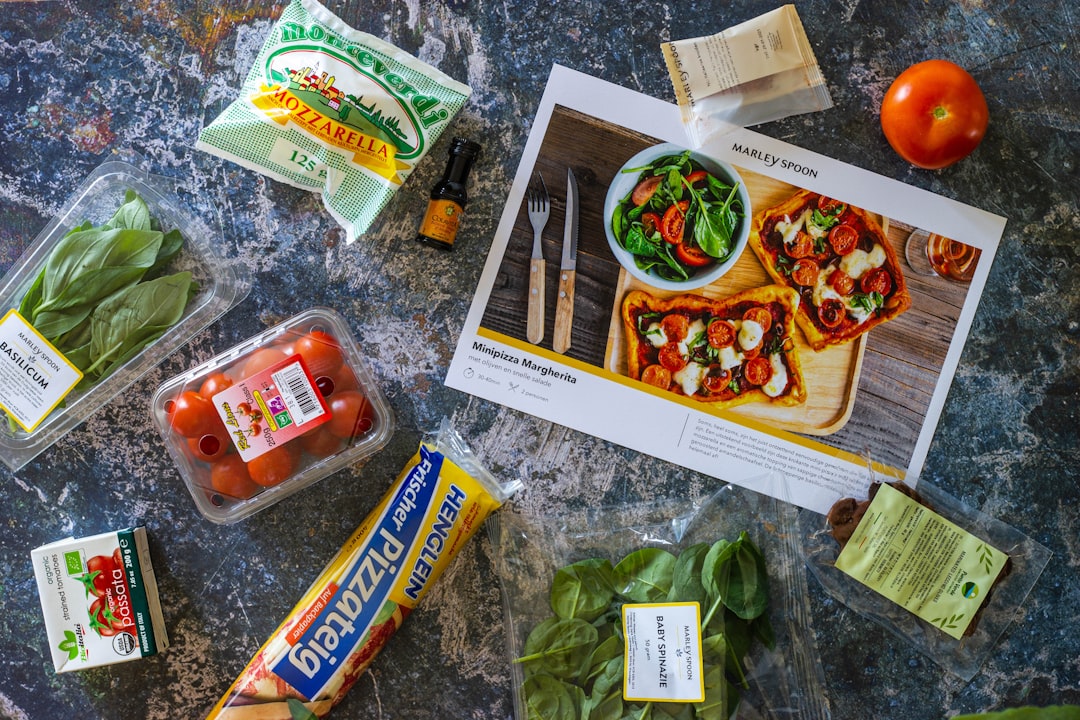
A local meal kit is a package of pre-portioned ingredients and a recipe card that a customer uses to cook a meal at home. The difference between yours and what HelloFresh or Blue Apron ships is everything.
The meal kit delivery market is valued at over $10 billion and projected to reach $20.65 billion by 2029. National meal kit companies mass-produce kits in centralized facilities, pack them in huge insulated boxes with ice packs, and ship them across the country. The food sits in transit for days. The portions are standardized. The recipes are designed to appeal to the widest possible audience, which usually means they are fine but never memorable.
Your local meal kit is the opposite of all that.
You source ingredients from nearby farms and markets. You assemble kits the day before pickup or delivery. Your customers get food that was picked or prepared within the last 24-48 hours, not food that has been sitting in a refrigerated truck for three days.
Here is how the two stack up side by side:
| Feature | National Meal Kit (HelloFresh) | Local Meal Kit (You) |
|---|---|---|
| Ingredients | Mass-sourced, shipped nationwide | Locally sourced, hyper-fresh |
| Delivery | Shipped via carrier, 2-5 day transit | Same-day pickup or local delivery |
| Freshness | 3-7 days from pack to plate | 1-2 days from source to customer |
| Price per meal | $10-$15/meal | $12-$18/meal |
| Personalization | None, standardized menus | Customizable, dietary swaps possible |
| Packaging waste | Large box, gel packs, excessive plastic | Minimal, reusable bags encouraged |
| Relationship | Faceless brand | Personal, you know your vendor |
Small vendors have a natural advantage here that the big companies cannot replicate. You can talk to your customers. You can swap an ingredient for someone with an allergy. You can include a note saying "the tomatoes this week are from Miller's Farm down the road." That personal connection is what turns a one-time order into a subscription that lasts months.
> "National meal kits compete on convenience. Local meal kits compete on freshness, trust, and connection — and that is a much stronger foundation for repeat business."
Every meal kit you send out should include everything a customer needs to cook the meal except basic pantry staples like salt, pepper, and cooking oil.
Here is what goes in every kit:
Keep your meals in the 20-30 minute cook time range. Your customers are buying meal kits because they want something easy. If the recipe takes an hour, you have lost the point.
Popular meal kit ideas that work great for local vendors:
One important note on compliance: check your state's cottage food laws before assembling kits. Many states restrict or prohibit the sale of TCS (time and temperature controlled for safety) foods from home kitchens. That means raw meat, dairy, and cut produce may not be legal for you to sell depending on where you live. Stick to shelf-stable components where possible, or look into whether your state offers a home processor permit that covers more food types.
The sweet spot for a local meal kit is $12-$18 per meal for two servings. That puts you right around what people pay for HelloFresh but with noticeably better ingredients and freshness.
To figure out your actual price, you need to account for four things:
A good rule of thumb is that your ingredient and packaging costs should be no more than 35-40% of your selling price. That leaves room for your labor and a reasonable profit.
Here is how pricing looks at different serving sizes:
| Kit Size | Ingredient + Packaging Cost | Suggested Price | Your Margin |
|---|---|---|---|
| 2 servings | $5-$7 | $14-$16 | $7-$11 per kit |
| 4 servings (family) | $9-$13 | $24-$30 | $11-$21 per kit |
| 2 kits/week subscription | $10-$14 | $26-$30/week | $12-$20/week |
If you are not sure what your real costs are, use this guide to calculate your real cost per item. It walks you through ingredient cost, labor, and overhead so you are not accidentally selling at a loss.
> "Price your meal kits based on your actual costs, not based on what HelloFresh charges. Your ingredients are better, your service is more personal, and your customers will pay a fair price for that."
Subscription pricing tip: offer a small discount for weekly subscribers. If a single kit is $16, a weekly subscription might be $14/kit. That 12-15% discount incentivizes commitment and gives you predictable revenue.
Start small. One to two meal kit options per week is completely manageable for a solo vendor, and it keeps your workload predictable.
Here is the weekly workflow that works:
The key tools you need:
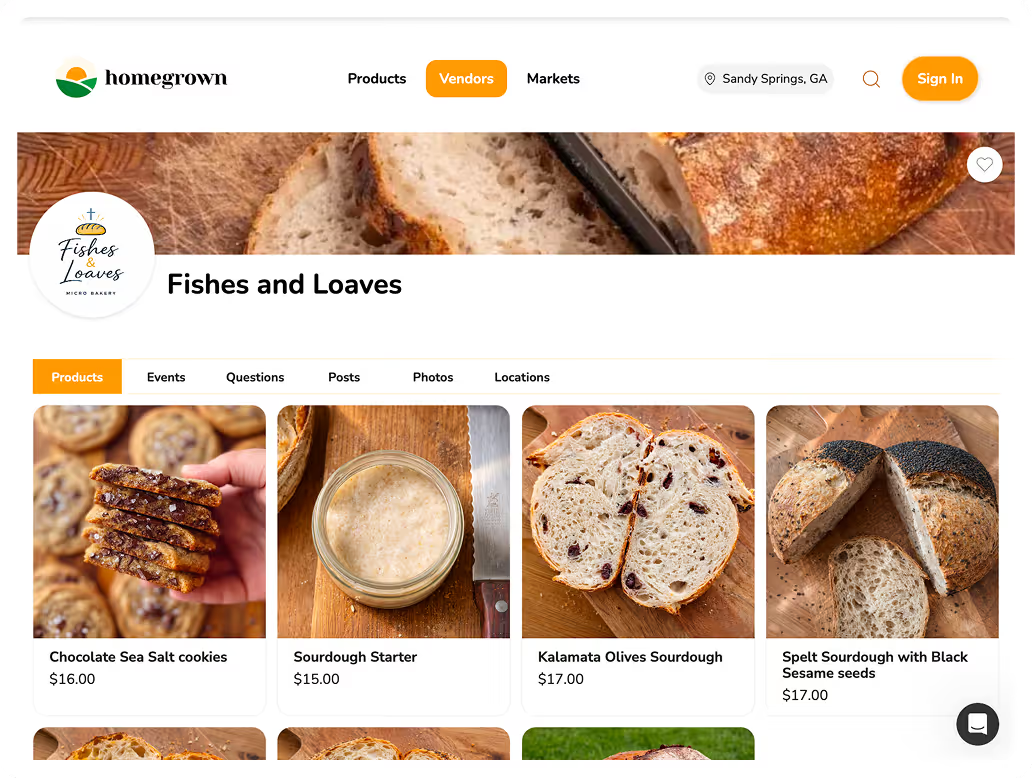
A Homegrown storefront handles all three. You list your weekly meal kits, customers subscribe or order one-time, and you get a clear count of how many kits to prep before your cutoff.
If you already run a baked goods business, the subscription model works the same way. You can learn more about the mechanics in this guide on how to set up a weekly baked goods subscription — the process translates directly to meal kits. The meal prep industry is growing at 12.8% annually, and local operators are well-positioned to capture demand that national kits cannot serve.
Tips for keeping it manageable:
Sourcing locally is one of the biggest selling points of your meal kit, so lean into it hard. Customers want to know their tomatoes came from a farm 10 miles away, not a distribution center in another state.
Here are your best sourcing options:
| Source | Pros | Cons |
|---|---|---|
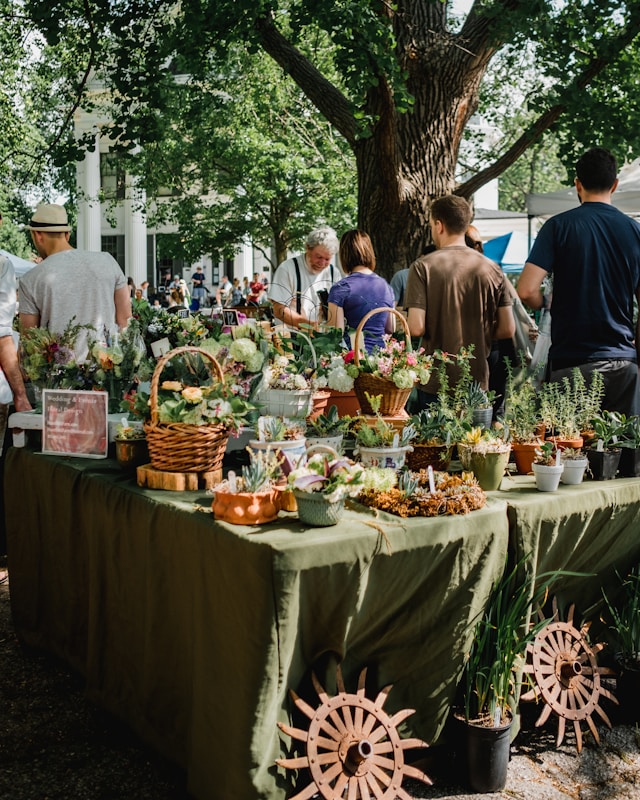
| Farmers markets | Fresh, seasonal, supports local vendors | Limited hours, variable availability |
| Local farms (direct) | Bulk pricing, relationship-based, freshest possible | May require minimum orders |
| Food co-ops | Good variety, fair pricing, community-oriented | Membership may be required |
| Wholesale clubs (Costco, Restaurant Depot) | Lowest prices for staples and bulk items | Not local, less story to tell |
| Your own garden | Zero cost, ultimate freshness | Limited scale and seasonality |
The smartest strategy is a mix. Buy your hero ingredients (the ones customers notice) from local farms and markets. Buy your staples (rice, pasta, oils, spices) from wholesale or bulk sources where cost matters more than story.
Seasonal menus are your best friend. They reduce cost because you are buying what is abundant and cheap right now. They increase freshness because seasonal produce is at its peak flavor. And they give you a built-in reason to change your menu every few weeks, which keeps subscribers excited. For more details, see our guide on other second revenue streams for food vendors.
Here is a simple seasonal rotation:
> "Seasonal menus are not a limitation. They are a feature. Your customers get the freshest food possible, and you get to buy ingredients at their lowest prices."
Packaging does not need to be fancy, but it does need to be organized and clear. When a customer opens your kit, they should immediately see what is inside and feel confident about cooking the meal.
Here is a packaging checklist:
Labeling each ingredient bag matters. Write what it is and the quantity. "Diced onion — 1/2 cup" is much more helpful than an unlabeled bag of diced onion that the customer has to guess about.
For a deeper dive on packaging options and what works best for different food types, check out this guide on how to package food for local delivery.
Keep packaging costs low:
Before you start selling, you need to understand what your state allows you to sell from a home kitchen.
Cottage food laws vary dramatically by state. Some states let you sell almost anything. Others restrict you to baked goods, jams, and shelf-stable items only. Meal kits that include raw meat, cut produce, or dairy may fall outside cottage food protections in many states.
Here is how to stay compliant:
Common labeling requirements:
If you are thinking about starting a broader food subscription business, this guide on how to start a food subscription box covers the legal and business setup in more detail.
> "Following the rules is not just about avoiding fines. It is about building trust. Customers who see proper labeling and allergen information feel safer ordering from you again and again."
You can start with as few as 5-10 weekly subscribers and still make meaningful income. At $14-$16 per kit with 10 subscribers, you are earning $140-$160 per week from a single prep session. As you dial in your process, scaling to 20-30 subscribers is very manageable for one person. Start small, get your system tight, then grow.
In most cases, no. If your meal kit components fall within your state's cottage food law (shelf-stable items, baked goods, certain sauces), you can assemble and sell from your home kitchen. If you want to include raw meat, dairy, or cut produce, you may need a home processor permit or access to a commercial kitchen. Check your state's specific rules before you start.
Keep your delivery radius to 5-10 miles, especially when you are starting out. Anything farther eats into your time and increases the chance of temperature issues with perishable ingredients. Many vendors find that offering pickup from their home or a central location works even better than delivery and saves significant time.
List every ingredient on your recipe card and packaging. Call out the eight major allergens clearly. If a subscriber has a specific allergy, offer an ingredient swap when possible (like sunflower butter instead of peanut butter). Be upfront about what your kitchen contains — if you work with nuts, say so. Transparency builds trust.
Yes, and you should. Offer one-time kits at your full price ($16) and subscriptions at a slight discount ($14/kit). One-time orders let new customers try your kit without commitment. Once they love it, they will switch to the subscription. A Homegrown storefront lets you set up both options easily.
Plan at least one week ahead so you can post your menu and give customers time to order before your cutoff. Some vendors plan two to four weeks ahead and share a monthly calendar, which builds anticipation and helps with ingredient sourcing. You do not need to plan months in advance — weekly planning keeps you flexible and responsive to what is fresh and available.
If your state restricts the types of food you can sell, focus on meal kits built entirely from shelf-stable components. Dry pasta with a jarred sauce, spice blends with recipe cards, soup mixes with dried ingredients — these all work within most cottage food laws. You can also look into getting a home processor permit that may expand what you are allowed to sell.
You do not need to figure everything out before you start. Pick one recipe you make well, source the ingredients, portion them into bags, print a recipe card, and offer it to 5-10 people in your neighborhood. That is your first meal kit.
Once you see how much people love getting a fresh, local meal kit from someone they actually know, you will wonder why you did not start sooner.
Ready to set up your storefront and start taking meal kit orders? Create your Homegrown storefront and start building your local meal kit subscription today. List your weekly kits, manage subscriptions, and let your customers order with a few taps — all from one simple dashboard.