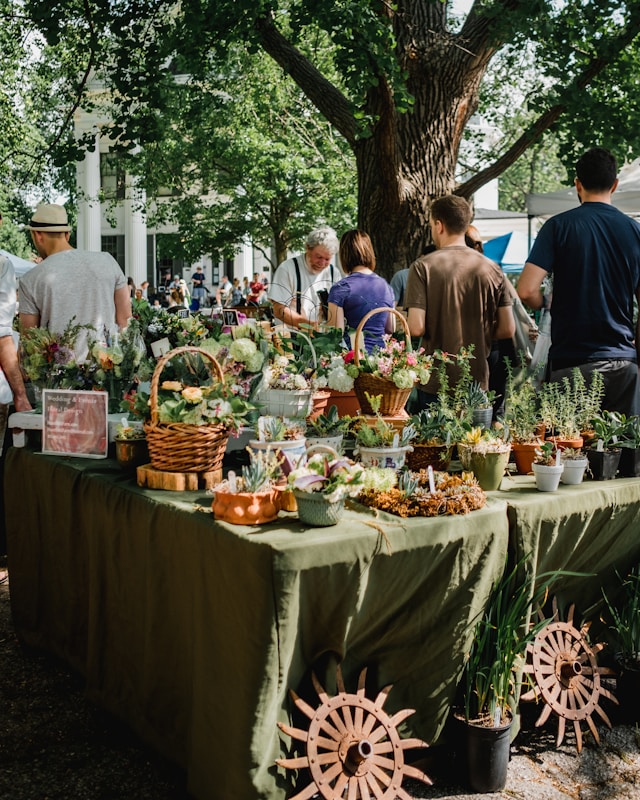
Winter farmers markets are smaller, quieter, and completely different from the summer markets you are used to. The crowds are more intentional, the booth setup changes, and your product lineup needs to shift. But the vendors who show up in winter build the strongest customer relationships of the year — and they never start from scratch when spring rolls around.
The short version: About 898 winter farmers markets operate across the U.S., most of them indoors. Apply by September or October. Shift your product lineup to shelf-stable and baked goods. Skip the tent and focus on table displays with warm lighting. Winter shoppers spend more per visit ($46 vs $33 for occasional shoppers) and are your most loyal customers. Use winter markets to build your email list and promote online ordering for the months between markets.
Winter farmers markets have been growing steadily for over a decade. The USDA counted approximately 898 winter markets operating across the country, a 17 percent increase from 2008. Today, roughly 20 percent of all U.S. farmers markets stay open during winter months.
New York leads the country with 153 winter markets, followed by California with 140 and a strong showing from Pennsylvania, Ohio, Massachusetts, and Michigan.
Most winter markets run November through March or April, typically on Saturdays. Some operate every week, while others run biweekly or monthly. A few major cities have year-round markets that simply shift indoors when the temperature drops.
The key difference from summer: winter markets are almost always indoors. Community centers, church halls, school gyms, fairground buildings, and event spaces host the majority of winter markets. A few hardy outdoor markets operate in milder climates or with heated vendor areas, but the indoor format dominates.
Your summer product lineup will not work in winter. The buying psychology shifts from "weekly groceries" to "comfort food and gifts." Winter shoppers are looking for warmth, indulgence, and items they can give as presents.
| Category | Examples | Why It Sells in Winter |
|---|---|---|
| Baked goods | Bread, cinnamon rolls, pies, cookies, sourdough | The smell alone draws people in. Comfort food is the #1 impulse buy. |
| Preserved foods | Jams, pickles, fermented vegetables, honey, hot sauce | Shelf-stable, giftable, can be made weeks in advance. |
| Gift sets | Curated boxes of 4-6 items | November-December gift buying drives premium pricing. |
| Spice blends and seasonings | BBQ rubs, baking spice, taco seasoning | Stocking stuffers. Small, affordable, universally useful. |
| Hot beverages | Cocoa bombs, tea blends, flavored coffee | Seasonal and consumable — perfect for cold-weather buying. |
| Candy and confections | Caramel, toffee, fudge, chocolate bark | Impulse buys and gift items. Peak demand November-February. |
| Cold-storage produce | Apples, potatoes, winter squash, root vegetables, garlic | Available from cold storage or winter greenhouses. |
The biggest revenue shift at winter markets is gift buying. The average American plans to spend about $890 on winter holidays, and locally made food products fit perfectly into the gift category. A $12 jar of specialty jam or a $25 cookie gift box is exactly what winter market shoppers are looking for.
Package accordingly. A jar of jam on its own is a grocery purchase. The same jar wrapped in tissue paper with a ribbon and a handwritten tag is a $15 gift. Winter markets reward vendors who think like gift shops. Christmas markets and holiday night markets are the peak gift-shop selling environment — evening crowds buying for others, not themselves.
Winter market applications open earlier than most vendors expect.
| Action | When |
|---|---|
| Research available winter markets | August |
| Prepare application materials (photos, product list, certifications) | August-September |
| Submit applications (priority deadlines) | September 1-October 15 |
| Receive acceptance notifications | October-November |
| First winter market days | November-December |
Most winter markets have priority deadlines in September or early October. If you wait until November to look for a winter market, you will find most are already full.
Winter market applications are similar to summer markets. Have these ready:
If you have only sold at outdoor summer markets, indoor winter markets feel different. The booth setup is simpler in some ways and more important in others.
Indoor markets often have smaller booth spaces than outdoor markets. At some venues, you get a single 6-foot table and a chair. That is it. Plan your display to maximize that space:
Cold weather introduces food safety challenges that do not exist in summer. The biggest mistake vendors make is assuming cold air replaces proper temperature control.
According to Trust20's winter market food safety guide, cold food must stay below 40 degrees Fahrenheit and hot food must stay above 135 degrees Fahrenheit — the same standards that apply in July. The outdoor temperature is not a substitute for actual temperature monitoring.
On a sunny winter morning, your booth can warm up faster than you expect. A propane heater nearby can push food into the danger zone. Check product temperatures every one to two hours with a calibrated thermometer.
Winter market shoppers are your best customers. They are not casual browsers who wandered over from a nearby park. They drove to an indoor venue on a cold Saturday morning specifically to support local vendors.
Research published in Frontiers in Sustainable Food Systems shows that regular farmers market shoppers spend $46.36 per visit compared to $33.19 for occasional shoppers — a 40 percent spending gap. Regular shoppers also buy more items per visit and return week after week.
At established winter markets, 71 to 92 percent of shoppers are regulars. These are repeat buyers who know what they want and come back every week to get it.
Winter markets are not just about the revenue from November through March. They are about staying visible and connected to your customer base during the months when most vendors disappear.
Your winter market booth should have a QR code linking to your online ordering page, just like your summer setup. Customers who meet you at the winter market and love your product should be able to order from you anytime — not just on market Saturdays.
Between winter market days, your online storefront picks up the slack. A customer who buys jam at the market on Saturday should be able to order more on Tuesday without waiting until next week.
Winter markets attract your most loyal potential customers. Every person who walks up to your table and buys something in January is someone who will order from you online, attend your summer markets, and buy your holiday pre-orders next year.
Have a signup sheet or tablet on your table at every winter market. Frame it as exclusive access: "Be the first to know when spring flavors drop" or "VIP list members get early access to holiday gift sets."
The slower pace of winter markets gives you time to think about your annual schedule. While you are selling on Saturday mornings, use the rest of the week to:
If your winter market is outdoors or in a partially heated space, gear matters.
Often yes, but not always. Winter market booth fees typically range from $25 to $75 per day, compared to $35 to $100 for summer markets. Some winter markets offer free or subsidized booth space for food vendors to ensure variety. Ask about fee structures when you apply.
You can, but you should adapt your lineup. Items that sell well in July (fresh berries, light salads, cold drinks) will not move in January. Shift toward comfort food, preserved goods, baked items, and gift-packaged products. Your best summer sellers may still work — cookies sell year-round — but adding winter-specific items shows customers you are thoughtful about the season.
Indoor venues are typically heated, which is better for baked goods than outdoor cold. Keep items in sealed containers or bags until displayed, and only put out what you can sell in one to two hours. Replenish from your backup stock under the table as items sell. Bread and cookies stay fresh longer than you think in a climate-controlled indoor space.
Look beyond traditional farmers markets. Holiday craft fairs, church bazaars, school holiday shops, and pop-up events serve the same purpose. You can also focus on online ordering, holiday pre-orders, and direct sales to local coffee shops during the winter months. The goal is to stay visible and keep revenue flowing — a winter market is one way, but not the only way.
Start with one per month to test the format. If it works and you can handle the production schedule, consider attending two per month or switching to a weekly market. Winter production is typically less demanding than summer (fewer perishable items, smaller batches), so many vendors find they can handle a weekly winter market without the intensity of a summer schedule.
*Winter markets are your chance to build deeper customer relationships and keep revenue flowing through the off-season. Make sure those new customers can find you between markets with an online storefront. Start your free trial at Homegrown and stay connected to your best customers all winter long.*