

Dehydrated snacks — fruit leather, dried fruit, jerky-style vegetables, kale chips, dried herb blends, and trail mixes — are among the most shelf-stable cottage food products you can make. Removing moisture from food is the oldest preservation method in human history, and it creates products that last months without refrigeration, weigh almost nothing (cheap to transport), and command premium prices at farmers markets and farm stands. A home food dehydrator costs $40 to $150 and pays for itself after selling 10 to 20 bags of dried snacks.
The short version: Dehydrated snacks are allowed under cottage food law in most states because removing moisture makes them non-TCS (no refrigeration needed). Texas A&M AgriLife's safe drying guide walks through the process for fruits and vegetables specifically. The most profitable dehydrated products are fruit leather ($1 to make, $5 to $7 to sell), dried herb blends ($0.50 to make, $5 to $8 to sell), trail mix ($2 to make, $8 to $10 to sell), and kale or vegetable chips ($0.50 to make, $5 to $6 to sell). You need a food dehydrator ($40 to $150), packaging bags ($0.10 to $0.30 each), and labels. Production is hands-off: load the dehydrator, wait 6 to 12 hours, package. Sell through your Homegrown storefront and at your farm stand. Dehydrated snacks are ideal for online pre-orders because they are lightweight, shelf-stable, and easy to package. For a deeper look, see our guide on sell pretzels from home.
Properly dehydrated foods last 6 to 12 months in sealed packaging at room temperature. This means zero waste, no rush to sell before expiration, and the ability to build inventory over time. You can dehydrate fruit in August and sell it at your farm stand in February.
| Product | Ingredient Cost | Packaging | Total Cost | Selling Price | Margin |
|---|---|---|---|---|---|
| Fruit leather (4 sheets) | $1.00 | $0.30 | $1.30 | $5-$7 | 74-81% |
| Dried apple rings (4 oz) | $0.75 | $0.30 | $1.05 | $5-$6 | 79-83% |
| Trail mix (8 oz) | $2.00 | $0.30 | $2.30 | $8-$10 | 71-77% |
| Kale chips (2 oz) | $0.50 | $0.30 | $0.80 | $5-$6 | 84-87% |
| Dried herb blend (1 oz) | $0.25 | $0.20 | $0.45 | $5-$8 | 91-94% |
Dried herb blends have the highest margins (91 to 94%) because herbs are essentially free if you grow them. Kale chips have the best ratio of production effort to margin.
Unlike baking (which requires active attention), dehydrating is mostly passive. You prepare the food, load the dehydrator, set the temperature and timer, and walk away. NDSU Extension's drying guide covers the specific temperatures for each vegetable type (140-145°F for most) and how to avoid case-hardening, where the outside dries while the inside stays moist. The dehydrator runs for 6 to 12 hours while you sleep, work your day job, or produce other products. You come back to a finished product ready for packaging.
Dehydrated snacks align with the health food trend: no added sugar (or minimal), no preservatives, whole ingredients, and portable. Health-conscious consumers at farmers markets seek out dried fruit, veggie chips, and trail mixes as alternatives to processed snacks.
The only essential equipment purchase. Two tiers:
Entry-level ($40-$70): Nesco or Presto stackable dehydrators. 4 to 6 trays. Good for small batches (1 to 2 bags of each product per batch). Adequate for your first 3 to 6 months.
Mid-range ($100-$150): Excalibur 9-tray dehydrators. More capacity, more consistent airflow, adjustable temperature control. Worth the upgrade once you are selling 20+ bags per week.
Standard cottage food labels: your name, address, product name, ingredients, allergens, net weight, home kitchen disclaimer. Print at home on Avery labels or order custom.
A vacuum sealer removes air from packaging, extending shelf life to 12+ months and preventing oxidation. Not essential for products you sell within a few weeks but valuable for building inventory.
Fruit leather / fruit rolls — Made from pureed fruit spread thin on dehydrator trays. No added sugar needed (fruit is naturally sweet). Customers buy these for kids, hiking, and healthy snacking. Production: blend fruit, spread on tray, dehydrate 8 to 12 hours, cut into strips. Cost: $1 per 4-roll batch. Price: $5 to $7.
Trail mix — Combine dehydrated fruit, nuts, seeds, and optional chocolate or coconut. Customize for your market: "Hiker's Mix" (nuts heavy), "Kids' Mix" (fruit heavy), "Protein Mix" (nuts + seeds). Cost: $2 per 8 oz bag. Price: $8 to $10.
Dried herb blends — Harvest herbs from your garden, dehydrate, blend into seasoning mixes: "Italian Herb Blend," "Taco Seasoning," "Herbes de Provence." These are the highest-margin dehydrated product. Cost: $0.25 per 1 oz jar (if you grow the herbs). Price: $5 to $8.
Dried apple rings — Simple, popular, kid-friendly. Slice apples, dip in lemon water (prevents browning), dehydrate 8 to 10 hours. Cost: $0.75 per 4 oz bag. Price: $5 to $6.
Kale chips — Tear kale into pieces, toss with olive oil and salt (or other seasonings), dehydrate 6 to 8 hours. Extremely popular with health-conscious buyers. Cost: $0.50 per 2 oz bag. Price: $5 to $6.
Dried banana chips — Slice bananas thin, dehydrate until crispy. Optional: toss with cinnamon or coconut. Cost: $0.50 per 4 oz bag. Price: $5 to $6.
Dried mango — Sweet, tropical, popular but mango is more expensive than other fruits.
Dried tomatoes — Concentrated flavor, great for cooking. Sun-dried tomato in olive oil is a premium product.
Vegetable chips — Sweet potato, beet, zucchini chips. Colorful and Instagram-worthy.
The most efficient approach is running your dehydrator overnight or during the workday:
Evening (30 minutes active): Prep fruit, vegetables, or herbs. Load dehydrator trays. Set temperature (135°F for fruit, 125°F for herbs, 145°F for vegetables). Start the timer.
Next morning (20 minutes active): Check for doneness. Properly dehydrated fruit should be pliable but not sticky. Herbs should crumble when touched. Vegetables should be crispy. Remove from trays. Cool completely.
Packaging (30 minutes per batch): Fill bags, weigh for net weight accuracy, seal, and label. A batch of 15 to 20 bags takes about 30 minutes.
Total active time per batch: 1 to 1.5 hours. The dehydrator does the work during the 8 to 12 hours you are sleeping or doing other things.
| Day | Product | Dehydrator Time | Active Time | Output |
|---|---|---|---|---|
| Monday PM | Fruit leather | 10 hours overnight | 30 min prep | 8 fruit rolls |
| Tuesday PM | Apple rings + trail mix prep | 8 hours overnight | 30 min prep | 6 bags apples + 6 bags mix |
| Wednesday | Package everything | N/A | 45 min | 20 bags total |
Three evenings of 30-minute prep sessions produce 20 bags of product for the weekend. This fits alongside a full-time job, parenting, and other cottage food production.
Price at 3 to 5 times your total cost (ingredients + packaging). For products with very low ingredient costs (herbs, kale), you can price at 8 to 10 times cost because the perceived value is high.
Compare to store-bought alternatives but do not try to match them. Your dried mango is $6 for 3 oz. Trader Joe's dried mango is $3 for 6 oz. The difference: yours is made from one ingredient (mango), locally produced, and available at a farm stand. Their customer pays for convenience and brand trust. Your customer pays for quality and local connection.
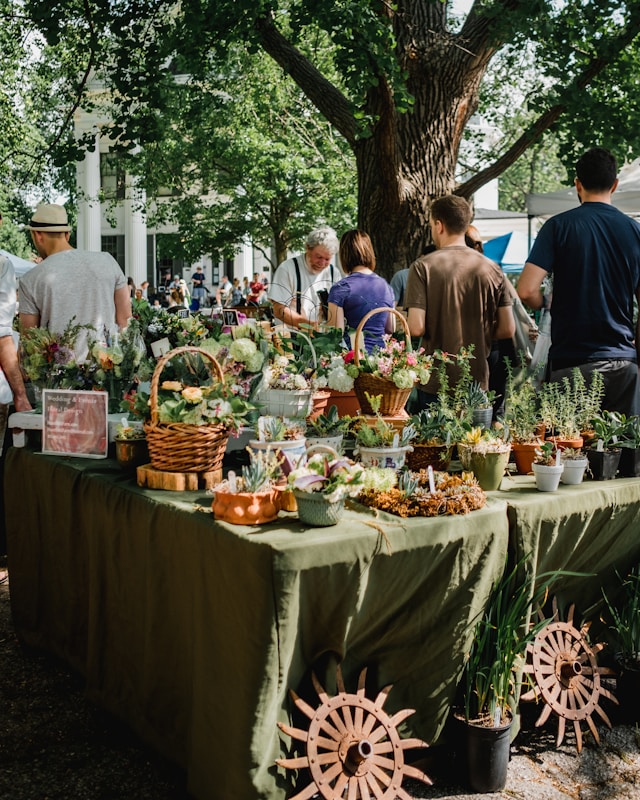
Display bags upright in baskets or on shelving. Group by category: dried fruits together, trail mixes together, herb blends together. The visual variety of colorful dried products creates an attractive display.
List each product on your Homegrown storefront with photos and descriptions. Dehydrated snacks are perfect for online ordering because they are lightweight, non-perishable, and easy to add to any order as an impulse item.
Combine 3 to 4 small bags of different dried snacks in a gift box: "The Snack Sampler — trail mix, fruit leather, dried apple rings, and kale chips. $18." Gift sets sell especially well during holiday seasons.
For more on selling from your farm stand, see our guides on what to sell at a farm stand and value-added products for farm stands.
Yes, in most states. Dehydrated foods are non-TCS (low moisture prevents bacterial growth) and are specifically listed on many states' cottage food allowed product lists. Check your state for confirmation. Dried herbs, dried fruit, and trail mix are among the most universally allowed cottage food products.
Fruits: 135°F. Vegetables: 125 to 135°F. Herbs: 95 to 115°F. Meat jerky: 160°F (note: meat products may not be allowed under cottage food law — check your state). These temperatures remove moisture while preserving flavor and nutrition.
Fruit should be pliable and leathery (not sticky or wet). Vegetables should be crispy and snap when bent. Herbs should crumble between your fingers. If in doubt, dehydrate longer — over-dehydrated food lasts longer, while under-dehydrated food can develop mold.
Meat products fall under different regulations than plant-based foods. Most states do NOT allow meat jerky under cottage food law because meat is a TCS food and requires USDA inspection. Some food freedom states (Wyoming, Arkansas) may allow it. Check your state's specific rules for meat products.
Start with a Nesco or Presto stackable dehydrator ($40 to $70) for your first 3 months. Upgrade to an Excalibur 9-tray ($120 to $150) when you are consistently selling 20+ bags per week. The Excalibur's consistent airflow and larger capacity make batch production significantly more efficient.
Use resealable stand-up pouches ($0.10 to $0.30 each) or clear cellophane bags with twist ties ($0.05 to $0.10 each). Stand-up pouches look more professional and keep products fresher longer because they seal tighter. Include a label with your business name, product name, ingredients, net weight, allergens, and cottage food disclaimer. For trail mixes, use bags that let customers see the product — visual appeal drives impulse purchases.
Properly dehydrated and sealed products last 6 to 12 months at room temperature in a cool, dark place. Fruit leather lasts 1 to 3 months. Trail mix lasts 3 to 6 months (the nuts and seeds oxidize faster than dried fruit). Dried herbs last 6 to 12 months. These shelf lives assume proper dehydration (below 10% moisture content) and airtight storage. If you notice any condensation inside the bag after sealing, the product is under-dehydrated — open it, re-dehydrate, and re-package.
Over-loading the trays reduces airflow and causes uneven drying. Leave 1/4 inch between pieces. Mixing different foods on the same tray transfers flavors — banana chips that taste like onion are unsellable. Not pre-treating fruit (dipping in lemon juice or ascorbic acid solution) causes oxidation — your apple chips turn brown instead of golden. Dehydrating at too high a temperature cooks the outside while the inside stays moist, creating a product that feels done but molds within days.
| Scale | Bags Per Week | Avg Price | Weekly Revenue | Annual Revenue |
|---|---|---|---|---|
| Starter (1 dehydrator) | 10-15 | $6 | $60-$90 | $3,120-$4,680 |
| Growing (2 dehydrators) | 25-40 | $6 | $150-$240 | $7,800-$12,480 |
| Established (3+ dehydrators) | 50-80 | $7 | $350-$560 | $18,200-$29,120 |
At the "growing" level with 2 dehydrators running overnight 3 times per week, you produce 25 to 40 bags with about 6 hours of active work. At $6 per bag with $1.50 in ingredient and packaging costs, your weekly profit is $112 to $180 — roughly $25 to $30 per hour of active production time. That compares favorably with most cottage food products. The key advantage of dehydrated snacks over baked goods is that your inventory does not expire — unsold bags this week sell next week, next month, or at a holiday market six months from now. Zero waste means every bag you produce eventually becomes revenue.
Resealable stand-up pouches (kraft paper or clear) look the most professional and are the industry standard for artisanal dried snacks. Add a custom label with your brand, product name, ingredients, and weight. A well-packaged bag of dried fruit looks like a $6 to $8 product. A zip-lock bag looks like a $3 product. Packaging drives pricing perception.
Yes — and you should. Garden-grown herbs, fruits, and vegetables have near-zero ingredient costs, which pushes your margins above 90%. Dried garden herbs are the single highest-margin cottage food product: $0.25 in growing cost becomes $5 to $8 in selling price.