You already know that keeping a customer is easier than finding a new one. But when you think about loyalty-building, your brain probably jumps straight to discount codes, punch cards, and percentage-off deals. That is what every business blog tells you to do. And for a cottage food vendor who is already pricing tight, it is terrible advice.
The truth is, your customers did not start buying from you because you were the cheapest option. They started buying from you because you are a real person making real food, and they like being connected to that. The loyalty systems that actually work for small food vendors have nothing to do with discounts. They are about making people feel seen, remembered, and appreciated. Research confirms that personalized thank-you notes drive real loyalty — and repeat customers spend up to 67% more than new ones.
The short version: The best thank you systems loyalty food vendor businesses can use cost little to nothing and outperform discount codes every time. Handwritten notes, remembering names, surprise extras, birthday recognition, and first access to new products build the kind of loyalty that turns one-time buyers into lifelong customers. Most of these systems cost under $5 per customer per month, and retained customers spend 67% more than new ones. Pick two or three that match your personality and start this week.
Why Discounts Are Not the Best Loyalty Tool for Small Vendors
Discounts train your customers to wait for deals instead of buying at full price. The moment you offer 10% off, you create an expectation. Next time they see your full-price menu, a little voice in their head says "I should wait for a deal." You have accidentally taught your best customers to be bargain hunters.
Here is why discounts specifically hurt cottage food vendors more than big businesses:
- They cut your margins on products you already price tightly. A bakery selling $8 loaves of bread at a 15% discount is now earning $6.80 per loaf. If your ingredient cost is $3 and your time is worth anything at all, that discount just wiped out most of your profit.
- They attract the wrong kind of customer. Discount-driven buyers are loyal to the price, not to you. When someone else offers a better deal, they leave. You want customers who are loyal to your sourdough, not to your coupon.
- They devalue the craft. You spent three years perfecting your salsa recipe. Slapping a discount on it tells people it was overpriced to begin with. That is the opposite of the message you want to send.
- They are hard to stop once you start. Try raising prices back to normal after running discounts for six months. Customers feel like they are losing something, even though you are just returning to your standard pricing.
> "A 10% discount on a $25 order saves your customer $2.50. A handwritten note in that same order makes them feel like a VIP. One costs you money. The other costs you 45 seconds."
Personal connection beats price every time for local food. People buy from cottage food vendors because they want a relationship with the person who makes their food. Lean into that advantage instead of competing on price with grocery stores you will never out-discount.
| Loyalty Approach | Customer Motivation | Long-Term Effect |
|---|
| Discount codes | Price savings | Trains customers to wait for deals |
| Punch cards | Transactional reward | Minimal emotional connection |
| Handwritten notes | Feeling seen and valued | Deep personal loyalty |
| Remembering preferences | Feeling known | Repeat ordering becomes automatic |
| Surprise extras | Delight and generosity | Customers tell their friends |
If you want to go deeper on making your regulars feel special, read about how to create a VIP experience for your best customers.
12 Thank-You Systems That Actually Build Loyalty
These are the thank you systems loyalty food vendor businesses can implement this week. Each one costs almost nothing but creates the kind of emotional connection that keeps customers coming back for years.
- 1. Handwritten Thank-You Notes in Every Order. A handwritten note is the single most effective loyalty tool a cottage food vendor can use. It takes 30 to 45 seconds. It costs less than a penny for the paper. And it creates a moment of genuine surprise in a world where everything else feels automated and impersonal.
This definitive guide to business thank-you notes covers every format, but for cottage food vendors, simple wins. Your note does not need to be long or clever. "Thanks for your order, Sarah. I hope your family loves the cinnamon rolls this weekend." That is enough. The magic is in the handwriting, not the poetry. A hand-scrawled sentence on a torn piece of paper beats a beautifully designed printed card every single time.
Keep a stack of small cards or notepad paper next to your packing station. Write the note as you pack each order. Make it specific to the customer or the order when you can. Even a simple "Thank you" with their name is more powerful than you think.
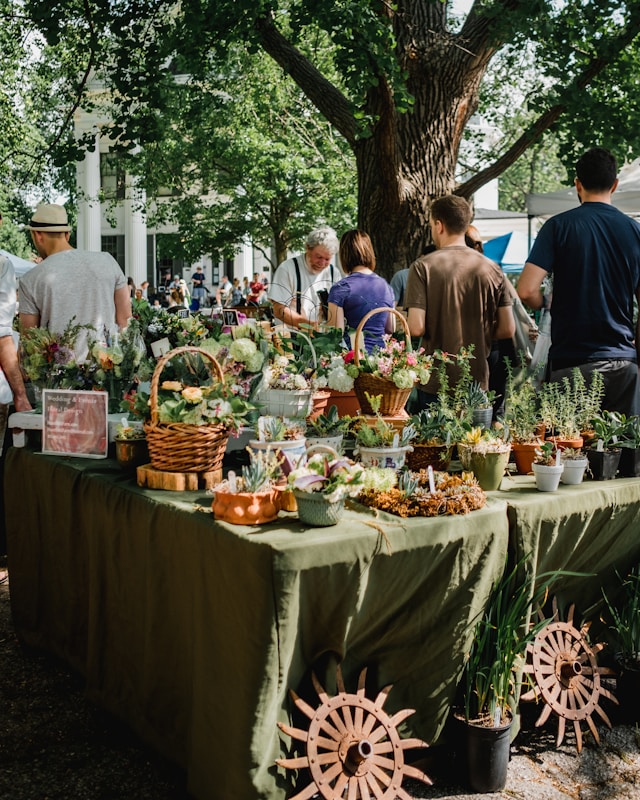
- 2. Remember and Use Customer Names. Using a customer's name is the easiest and most overlooked loyalty strategy in the food business. When someone walks up to your farmers market booth and you say "Hey, Marcus, good to see you again," you have just told them they matter to you. That costs you nothing except the effort of paying attention.
Keep a simple list on your phone. Name, what they usually order, any personal details they have shared. "Lisa, orders the jalapeño jam, has two kids, moved here from Austin." Review it before market day. This is not creepy. It is caring.
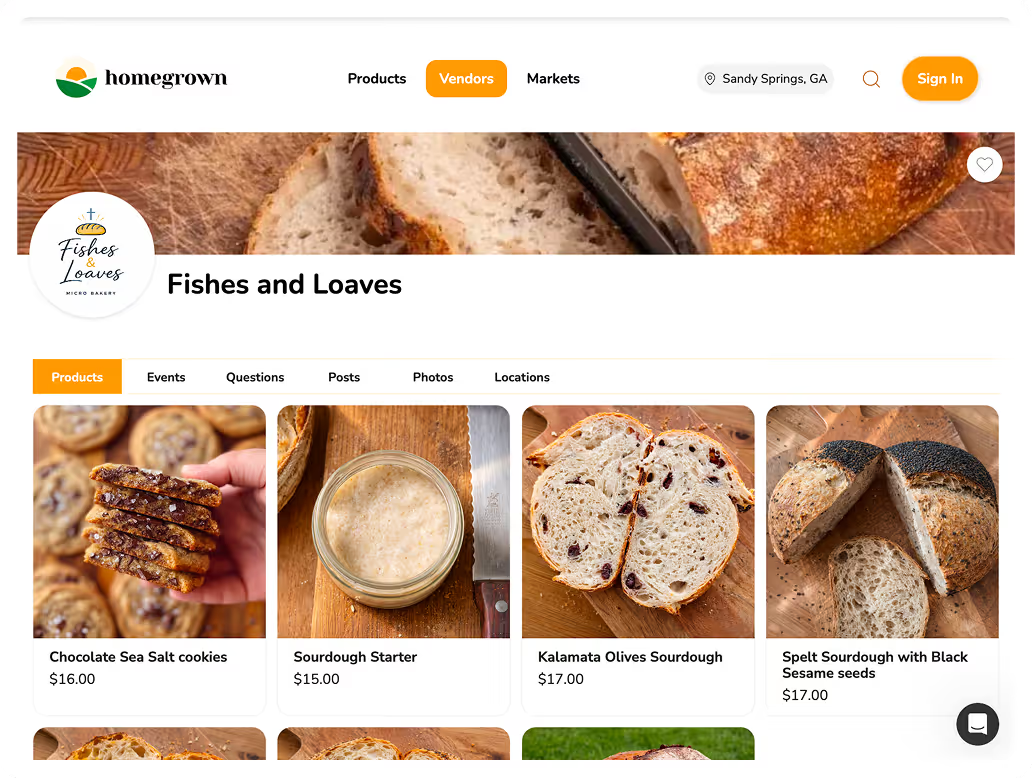
If you use a Homegrown storefront, your customer names and order history are already saved for you. Use that information to make every interaction feel personal.
- 3. Surprise Bonus Item Once a Month. A small unexpected extra in an order creates more loyalty than a 20% discount ever could. Pick one customer a week and toss in a sample of something new, an extra cookie, or a small jar of something seasonal. Do not announce it. Do not put a label on it that says "FREE GIFT." Just let them discover it.
The surprise is the whole point. When something is expected, it becomes an obligation. When it is unexpected, it becomes a gift. One extra cookie costs you maybe $0.50 in ingredients. The word-of-mouth it generates when that customer tells three friends? Priceless.
Rotate who gets the surprise so it feels random and genuine. You are not running a promotion. You are being generous because you feel like it.
- 4. Birthday or Anniversary Recognition. Remembering a customer's birthday turns a transaction into a relationship. When you collect ordering information, ask for their birthday month. You do not need the exact date. Just the month is enough to send a quick text that says "Happy birthday month, Deb. Your next pickup has a little something extra from me."
You can also track the anniversary of their first order with you. "Hey, it has been one year since your first order. I just want you to know how much I appreciate you sticking with me." That kind of recognition makes people feel like they are part of your story, not just a line item in your sales log.
This works especially well if you are trying to get customers to subscribe to regular orders. People who feel personally connected are far more likely to commit to a recurring purchase.
- 5. First Access to New or Seasonal Products. Giving your regulars first dibs on new products makes them feel like insiders, not just customers. Before you post your new fall menu on social media, text your top 20 customers and say "I am launching pumpkin spice granola next week and wanted to let you order before I announce it to everyone else."
This costs you zero dollars. It takes five minutes. And it makes your best customers feel like they have VIP status. They get to try things before anyone else. They get to be the first to tell their friends about your new product. That is a powerful feeling.
First access also gives you a built-in test group. If your regulars love the new product, you know it is ready for a wider launch. If they have feedback, you can adjust before announcing it publicly.
- 6. Personal Text When You Make Something They Love. A quick text that says "I just made a batch of the strawberry preserves and thought of you" is one of the most personal things a vendor can do. It tells the customer that you know what they like, you remembered, and you thought about them unprompted.
This only works if you actually pay attention to what people order regularly. Keep notes. When you are making a batch of someone's favorite product, take 15 seconds to text them. "Hey Rachel, just pulled a batch of the lemon bars out of the oven. Want me to set one aside for you?"
That text has a near-100% conversion rate. But more importantly, it makes the customer feel like you genuinely care about them. Because you do.
- 7. Photo of Their Order Being Packed. Sending a customer a quick photo of their order being packed creates a personal connection that no brand can replicate. Snap a photo of their labeled bag, their jars lined up on the counter, or your hands wrapping their bread. Send it with a simple "Your order is ready. See you Saturday."
This works because it pulls back the curtain. It shows the customer that a real human being made their food and packed their order with care. It is the opposite of an Amazon shipping notification. It is intimate and personal and it takes ten seconds.
Some vendors do this for every order. Others save it for new customers or special orders. Either way, it consistently gets responses like "This just made my day."
- 8. Seasonal Thank-You Gift for Your Top 10 Customers. Once or twice a year, give your ten best customers a small thank-you gift. This could be a sample of a new product, a small jar of something seasonal, or a handwritten card with a bag of your signature cookies. Spend $3 to $5 per person. That is $30 to $50 total for a gesture that locks in your most valuable customers for another year.
Identify your top 10 by order frequency, total spending, or simply by who makes your business the most enjoyable. This is not about rewarding the highest spenders. It is about thanking the people who make you love what you do.
Time it for the holidays, the end of farmers market season, or the anniversary of when you started your business. Give it in person when you can. The face-to-face moment matters.
- 9. Ask for Their Opinion on New Recipes. Asking a customer for their opinion makes them feel like a co-creator, not just a buyer. Text your regulars a photo of a test batch and say "I am trying a new recipe. Would you be willing to taste-test it and give me honest feedback?" Almost everyone will say yes.
This does three things at once. It makes the customer feel valued and trusted. It gives you genuine feedback from the people who know your products best. And it creates anticipation for the new product before it even launches.
When the product does launch, those customers become your biggest advocates. They will tell everyone "I actually helped her develop that recipe." That is the kind of loyalty money cannot buy.
- 10. Shout Them Out on Social Media (With Permission). A public thank-you on social media turns a private relationship into a public endorsement. When a customer sends you a photo of their family enjoying your food, ask if you can share it. "This made my whole week. Mind if I post this on my Instagram?" Most people will be thrilled.
Tag them. Thank them by name. Tell a short story about them. "Sarah has been ordering my sourdough every single week for eight months. She is one of the reasons I keep doing this. Thank you, Sarah." That post does double duty. It makes Sarah feel like a million bucks, and it shows potential customers that real people love your food.
Skip this one if social media feels forced or stressful to you. The thank-you systems that work best are the ones that feel natural to your personality.
- 11. Holiday Card or End-of-Year Thank You. An end-of-year thank-you card is the simplest way to make customers feel like they are part of your journey. Write a short card that says what the year meant to you and how grateful you are for their support. Be specific. "This year I sold 1,200 jars of salsa and quit my day job. None of that happens without customers like you."
Mail it. Yes, with a stamp. A physical card in the mailbox stands out in a world of email newsletters and social media stories. It takes real effort, and people notice.
If you have more than 50 regular customers, you can print a simple card and add a handwritten line to each one. The personal touch is in the hand-scrawled "Thank you, [name]" at the bottom, not in the printed message.
- 12. Referral Recognition. When a customer sends someone new your way, acknowledge it immediately and specifically. Do not just say "Thanks for the referral." Say "Thanks for sending Marcus my way. He ordered the sampler pack and loved the peach jam. You have great taste in friends."
This matters because most people refer businesses without ever being acknowledged for it. When you take the time to close the loop and tell them the result of their referral, they will do it again. And again.
If you want a complete system for turning your happy customers into a referral engine, read this guide on how to ask for referrals without feeling awkward about it.
How Much Do These Systems Actually Cost?
Most of these thank you systems cost between $0 and $5 per customer per month. Here is a breakdown of the actual time and money involved:
| Thank-You System | Time Per Customer | Dollar Cost Per Customer |
|---|
| Handwritten note | 30-45 seconds | $0.05 (paper) |
| Remember names | 1-2 minutes (initial setup) | $0 |
| Surprise bonus item | 1 minute | $0.50-$2.00 |
| Birthday recognition | 1 minute | $0-$3.00 |
| First access text | 30 seconds | $0 |
| Personal text about favorites | 15-30 seconds | $0 |
| Photo of order being packed | 15 seconds | $0 |
| Seasonal gift (top 10) | 5-10 minutes each, 2x/year | $3-$5 per gift |
| Ask for recipe opinions | 2-3 minutes | $1-$2 (sample cost) |
| Social media shoutout | 5 minutes | $0 |
| Holiday card | 3-5 minutes | $1-$2 (card + stamp) |
| Referral recognition | 1 minute | $0 |
The total cost of running five or six of these systems is roughly $2 to $5 per customer per month. Compare that to a 15% discount on a $30 order, which costs you $4.50 every single time they order and builds zero emotional connection.
> "Retained customers spend 67% more than new customers. A $2 handwritten note that keeps a customer ordering $40 a week for another year is worth over $2,000 in revenue."
The return on investment is not even close. A customer who feels personally valued does not price-shop. They do not skip weeks. They do not disappear when another vendor pops up at the market. They stay because leaving would feel like leaving a friend, not just switching a brand.
If you want to build the infrastructure to manage these relationships more easily, a Homegrown storefront keeps all your customer names, order histories, and preferences in one place so you are never guessing who ordered what.
How Do You Pick Which Systems to Use?
Start with two or three that feel natural to your personality and workflow. Do not try to implement all 12 at once. That is a recipe for burnout, not loyalty. The best thank you systems loyalty food vendor businesses use are the ones the vendor actually enjoys doing.
Here is how to choose:
- Pick one that you can do for every customer. Handwritten notes or remembering names are the easiest options here. They become part of your process, not an extra task.
- Pick one that you do for your best customers only. First access to new products, seasonal gifts, or birthday recognition work well here. These are reserved for the people who order most frequently.
- Pick one that happens occasionally. Recipe feedback requests, social media shoutouts, or referral recognition are things you do when the moment is right, not on a schedule.
Match the systems to your personality:
| If You Are... | Try These | Skip These |
|---|
| An introvert who hates social media | Handwritten notes, surprise extras, first access texts | Social media shoutouts |
| A social butterfly who loves chatting | Social media shoutouts, in-person gifts, referral recognition | Systems that feel too formal |
| Super organized and love spreadsheets | Birthday tracking, name/preference databases, seasonal gift calendars | Spontaneous systems |
| Spontaneous and go with the flow | Surprise extras, personal texts, recipe feedback | Anything requiring a tracking spreadsheet |
Do not overthink this. The worst thank-you system is the one you never actually do. A simple handwritten note in every bag is better than an elaborate birthday program you abandon after two weeks.
If you want to take your customer experience further, read about how to create a VIP experience that makes your best customers feel like the most important people in your business. And if you are looking for ways to grow through your existing customers, here is how to ask for referrals in a way that feels genuine.
Frequently Asked Questions
- How Do Thank-You Systems Build Loyalty for a Food Vendor? Thank you systems loyalty food vendor businesses use work because they create emotional connections that go beyond the product itself. When a customer receives a handwritten note, gets a surprise extra in their order, or hears from you on their birthday, they associate your business with feeling valued. That emotional response is far stronger than any discount. Research consistently shows that customers who feel personally connected to a business are 5 times more likely to buy again and 4 times more likely to refer friends.
- Do I Need to Spend Money to Build Customer Loyalty? No. The majority of effective thank-you systems cost nothing except your time. Remembering names, sending a text when you make their favorite product, giving first access to new items, and recognizing referrals are all free. The systems that do cost money, like surprise extras or seasonal gifts, typically run $0.50 to $5 per customer. That is a fraction of what a discount code would cost you in lost revenue.
- How Many Thank-You Systems Should I Use at Once? Start with two or three. One system you do for every customer, like handwritten notes. One you reserve for your best customers, like first access or birthday recognition. And one you do when the moment feels right, like recipe feedback or referral recognition. Trying to do all 12 at once will overwhelm you and make everything feel forced instead of genuine.
- What If I Am Not a Naturally Personal or Outgoing Person? Some of the most effective thank you systems loyalty food vendor operations can use do not require you to be outgoing at all. Handwritten notes, surprise extras, first access texts, and holiday cards are all things you do quietly, on your own terms. You do not need to be the life of the party to make a customer feel valued. You just need to pay attention and follow through.
- How Do I Track Customer Preferences and Birthdays? A simple spreadsheet or note on your phone is enough to start. List each regular customer's name, what they usually order, any personal details they have shared, and their birthday month. If you use a Homegrown storefront, your order history is already tracked automatically, which makes it easy to see who your regulars are and what they buy most often. You can also build a customer email list to stay in touch between orders.
- Will Customers Think Handwritten Notes or Personal Texts Are Weird? No. In every survey and customer feedback study, personal touches from small businesses are rated as the number one reason customers stay loyal. People are not creeped out by a vendor who remembers their name and their favorite product. They are delighted by it. The bar is so low in most commercial transactions that any genuine personal effort stands out immediately.
- How Long Does It Take to See Results From Thank-You Systems? Most vendors notice a difference within the first month. Customers start responding to your notes, mentioning your surprise extras on social media, and ordering more frequently. Within three to six months, you will see measurable increases in repeat order rates and referral traffic. The compounding effect is real. Every small gesture stacks on the last one, and over time your customers become advocates who sell your products for you.
Start Building Loyalty This Week
You do not need a loyalty program, a mobile app, or a punch card system. You need a pen, a stack of note cards, and the willingness to treat your customers like people instead of transactions.
- Pick two systems from this list
- Start with the ones that feel easiest and most natural
- Write a note in your next order
- Text your most loyal customer and tell them you appreciate them
- Remember someone's name at the market this weekend
These small gestures are your competitive advantage. Big companies cannot do what you do. They cannot write a personal note. They cannot remember that Marcus likes extra heat in his salsa. They cannot text someone a photo of their order being packed with care. You can. And that is exactly why your customers chose you in the first place.
Ready to keep track of your customers, their orders, and their preferences all in one place? Set up your free Homegrown storefront and start building the kind of loyalty that lasts.