

Bone broth has gone from a grandmother's kitchen staple to a wellness product that health-conscious customers will pay $10 to $15 per quart for. If you make bone broth at home and people keep asking to buy it, you are sitting on a real business opportunity. But bone broth is a meat-based product, which means the path from kitchen to customer is more regulated than selling cookies or jam.
This guide covers the legal landscape, how to get licensed, production at scale, pricing, packaging, and where to sell bone broth locally.
The short version: Bone broth is excluded from most cottage food laws because it contains animal products and requires refrigeration. You will need a food processing license and access to a commercial kitchen, with startup costs running $500 to $2,000. Bone broth sells for $8 to $15 per quart with 50 to 70 percent margins, and sourcing bones locally at $1 to $3 per pound keeps your costs low. The licensing takes more effort than selling baked goods, but the growing health-conscious customer base and premium pricing make it a strong business for dedicated producers.
In most states, no. Bone broth is a meat-based, potentially hazardous food that requires refrigeration, and cottage food laws were designed for shelf-stable or low-risk products.
The University of Nebraska-Lincoln's cottage food FAQ explicitly lists bone broth alongside meat, lard, and tallow as products that cannot be sold under cottage food exemptions. Most other states take the same approach — anything containing meat or animal byproducts is excluded.
Bone broth fails the cottage food test on multiple levels.
"Bone broth is one of the most commonly asked-about cottage food products — and one of the most commonly excluded. The good news is there are clear legal pathways to sell it."
The specific license depends on your state, but here are the most common pathways for small bone broth producers.
Most states offer a food processing or food manufacturing license that allows you to produce and sell bone broth. Requirements typically include the following.
The fastest path for most small producers is renting time at a licensed commercial kitchen. These shared kitchens are already inspected and approved, so you skip the facility buildout costs entirely. Rental rates typically run $15 to $30 per hour or $100 to $300 per day. Some offer monthly memberships for $300 to $800 that include storage space and unlimited production hours.
Some farmers markets operate under blanket permits that cover their vendors for certain product types. Ask your market manager if they have a process for vendors selling refrigerated, prepared foods. You may still need your own food processing license, but the market may handle some of the permitting.
The process typically takes two to six weeks from start to first legal sale. For more detail on the licensing process for food businesses in general, read our guide on how to start a cottage food business — while bone broth does not qualify for cottage food, many of the foundational business steps are the same.
Scaling from a home pot to production volume requires some changes to your process, but the core technique stays the same.
| Item | Cost Range | Notes |
|---|---|---|
| Large stock pots (20-40 quart) | $80 - $200 each | Stainless steel, heavy bottom |
| Slow cookers or roasters (for overnight cooking) | $50 - $100 each | Consistent low temperature |
| Fine mesh strainers and cheesecloth | $15 - $30 | For clear, clean broth |
| Containers (quart and pint) | $1 - $2 each | BPA-free, freezer-safe |
| Labels and printer | $30 - $50 | Required for all sales |
| Coolers with ice packs | $30 - $80 | For transport and market display |
| Digital thermometer | $15 - $30 | Must verify safe temperatures |
A typical production day for a small bone broth producer looks like this.
A 40-quart stock pot produces about 6 to 8 gallons of finished broth per batch. That is 24 to 32 quart containers — enough for a farmers market booth or a week of local orders. According to Iowa State Extension, refrigerated broth keeps safely for up to three days, while frozen broth maintains quality for up to four months. For selling purposes, frozen is often the better option because it gives you more flexibility on timing.
Your bone source matters for both quality and cost.
Using local, pasture-raised bones is a strong selling point. Health-conscious broth buyers care about where the bones come from, and "made with pasture-raised bones from local farms" is a compelling label claim.
Bone broth pricing reflects its position as a premium health product, not a commodity.
| Format | Size | Suggested Price | Your Cost | Margin |
|---|---|---|---|---|
| Fresh (refrigerated) | Pint (16 oz) | $6 - $8 | $2.00 - $3.00 | 58-67% |
| Fresh (refrigerated) | Quart (32 oz) | $10 - $15 | $3.50 - $5.00 | 58-67% |
| Frozen | Quart (32 oz) | $10 - $14 | $3.50 - $5.00 | 58-64% |
| Concentrated (reduced) | Pint (16 oz) | $12 - $18 | $4.00 - $6.00 | 63-67% |
For a typical batch using 10 pounds of bones.
Margins improve as you scale. Once you are producing two or three batches per session, your per-unit kitchen rental cost drops significantly. Some producers negotiate monthly kitchen memberships that bring the hourly cost down to $8 to $12.
"Bone broth buyers are not bargain shoppers. They are buying a health product and they expect to pay accordingly. Price with confidence."
Packaging and storage are critical for both food safety and customer experience.
Your label should include the following at minimum.
Bone broth has a dedicated customer base that overlaps with health food stores, fitness communities, and farm-to-table markets.
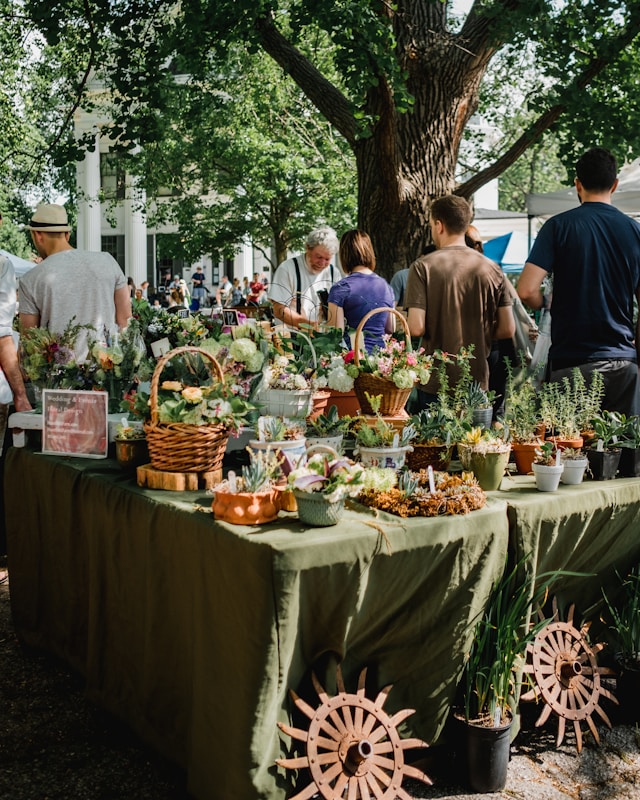
Bone broth stands out at farmers markets because few vendors sell it. Bring a thermos of warm broth for sampling (check your market's sampling rules) — nothing sells broth faster than a hot cup on a cold morning. You will need a cooler setup for your actual product. For more sales channels beyond markets, check out how to sell food without a farmers market.
Bone broth is a natural subscription product. Health-conscious customers who drink broth daily or weekly want a reliable source. Set up a Homegrown storefront to take weekly or biweekly orders. Customers choose their broth type and quantity, pay online, and pick up at your designated location or at the next market.
Dropping off orders to local customers each week is a strong model for bone broth. Produce on Sundays, run your route on Mondays. Customers pay in advance through your Homegrown storefront, so you know exactly how many quarts to make before you start.
For tips on adding online ordering to your existing in-person sales, read our guide on how to add online ordering to your existing market business.
Variety keeps customers interested and gives you a reason to charge premium prices for specialty options.
| Type | Popularity | Cook Time | Notes |
|---|---|---|---|
| Chicken bone broth | Very high | 8-12 hours | Most approachable, lightest flavor |
| Beef bone broth | Very high | 18-24 hours | Richest, deepest flavor |
| Mixed/blended (chicken + beef) | Moderate | 12-18 hours | Best of both worlds |
Start with chicken and beef as your core offerings. Add one specialty flavor each month to test demand before committing to a full lineup.
In most states, no. Bone broth contains animal products and requires refrigeration, which disqualifies it from cottage food exemptions. You typically need a food processing license and access to a commercial or inspected kitchen. Contact your state department of agriculture for specific rules.
Refrigerated bone broth lasts about three days. Frozen broth maintains quality for three to four months. Always label your products with a production date and use-by date. Proper cooling after cooking is critical — broth must be chilled rapidly from cooking temperature to 41 degrees Fahrenheit.
Yes. Bones are one of the cheapest animal products available ($1 to $3 per pound), and finished broth sells for $10 to $15 per quart. Margins run 50 to 70 percent depending on your kitchen costs and bone source. The health-conscious customer base is willing to pay premium prices for quality, local bone broth.
For beef, use a mix of knuckle bones, marrow bones, and oxtail for the richest broth. For chicken, use whole carcasses, backs, necks, and feet (feet add the most gelatin). Roasting bones before simmering adds deeper flavor and better color.
Not necessarily. Most small producers sell fresh (refrigerated) or frozen bone broth rather than shelf-stable canned broth. Pressure canning is the only safe method for shelf-stable broth, but it requires a validated process and adds complexity. Fresh and frozen formats are simpler and often preferred by customers who value freshness.
A 40-quart stock pot with 10 pounds of bones produces roughly 6 to 8 gallons (24 to 32 quarts) of finished broth. Most small producers make one to three batches per production day, yielding enough for a weekend farmers market or a week of local orders.
Shipping is possible but challenging and expensive for small producers. Frozen broth requires insulated packaging and overnight shipping, which can cost $15 to $30 per package. Most local bone broth producers focus on in-person sales, pickup, and local delivery rather than shipping.