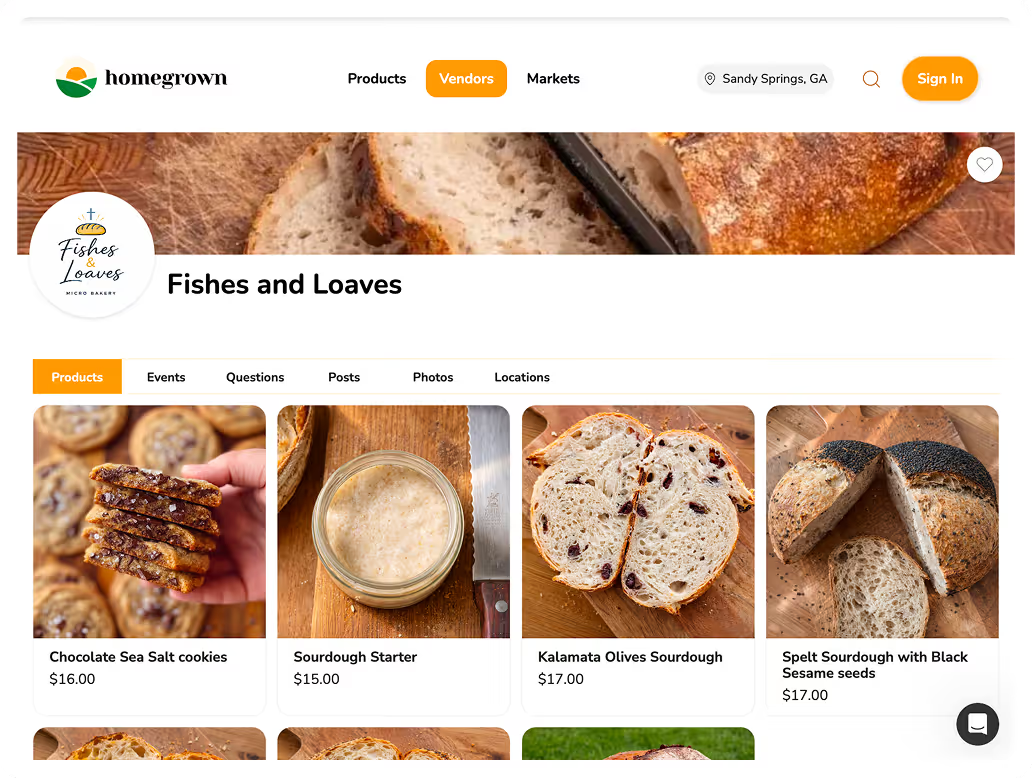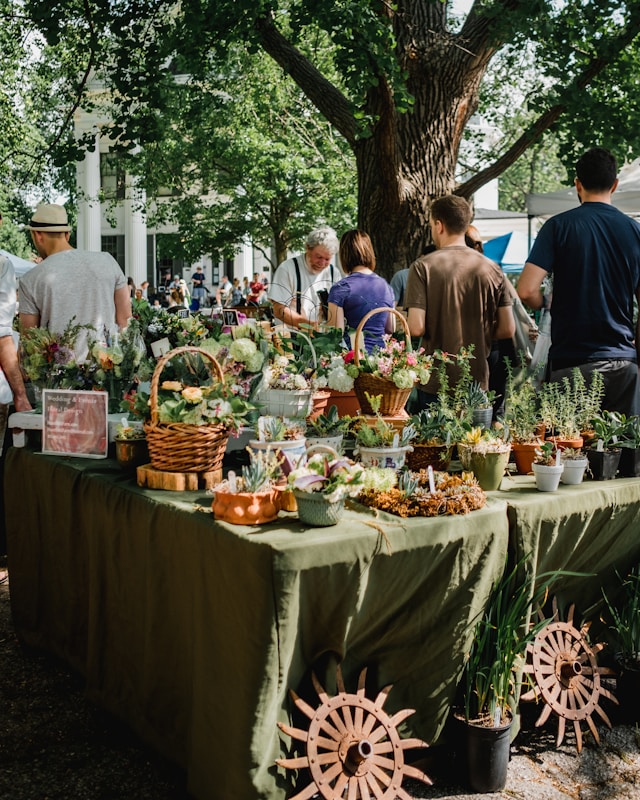


The best way to sell baked goods online without Etsy or Amazon is to use a simple ordering storefront built for local pickup, like Homegrown ($10 per month), instead of a marketplace designed for shipped products. If you bake sourdough, cookies, cinnamon rolls, or jam and sell locally, the big marketplaces were not built for how you sell. They charge listing fees, expect shipping, and bury you next to mass-produced competition. You need a shareable link where customers can browse your products, pay upfront, and schedule a pickup time.
The short version: Etsy charges listing fees, transaction fees, and advertising fees on every sale, and its entire checkout flow assumes you are shipping a package. Amazon requires commercial-grade packaging, labeling, and fulfillment that most cottage food vendors cannot meet. Neither platform helps local customers find you. The best alternatives for home bakers selling locally are Homegrown ($10 per month, built for local pickup pre-orders with marketplace discovery), Square Online (free plan if you already use Square), and Google Forms paired with a payment app (free but manual). If you sell at a farmers market or do porch pickup, a dedicated storefront link replaces the marketplace entirely.
Etsy is a poor fit for home bakers selling locally because it was designed for handmade crafts, vintage items, and digital downloads that ship through the mail. Fresh cookies, bread, and pastries break every assumption the platform makes about how a product gets from seller to buyer.
Here is what goes wrong:
Etsy works for bakers who ship shelf-stable products nationally: packaged cookie boxes, macarons in insulated packaging, or decorating supplies. It does not work for the baker who makes 40 loaves of sourdough every Friday for Saturday market pickup.
Amazon is an even worse fit than Etsy for most cottage food vendors. The platform's requirements for food sellers create barriers that are impossible or impractical for a home baker to clear.
Here is why:
Amazon works for food brands with commercial kitchens, FDA-compliant packaging, and national distribution. It does not work for a cottage food vendor who bakes in their home kitchen and sells at a Saturday market.
Most home bakers who search for how to sell baked goods online do not need a marketplace at all. They need four things:
That is it. You do not need a full website. You do not need a marketplace that takes a percentage of every sale. You do not need shipping integration. You need a product list, a payment button, and a pickup calendar.
The gap between what home bakers need and what Etsy and Amazon offer is enormous. The platforms below fill that gap.
Five approaches work, and each one fits a different stage and style of baking business.
Homegrown is a web-based storefront built specifically for local vendors who sell for pickup. You add your products, set prices, choose pickup times and locations, and share one link. Customers browse, order, and pay from their phone.
Here is what you get:
Pros:
Cons:
Best for: Home bakers who sell standard products like sourdough, cookies, cinnamon rolls, brownies, jam, or granola for weekly local pickup or farmers market pre-orders. If you post on Instagram that orders are open and then spend hours managing DMs, this replaces that process with one link.
The baker who spends every Thursday night copying and pasting the same product list to 20 different DMs can share one Homegrown storefront link instead. Customers see what is available, order, pay upfront, and choose a pickup time. You wake up Friday morning with a clean order list and know exactly what to bake.
Square Online gives you a basic online store that syncs with Square's point-of-sale system. If you already swipe cards at the farmers market with a Square reader, this adds online ordering without a second subscription.
Key details:
Pros:
Cons:
Best for: Bakers who already use Square for in-person market sales and want to test online ordering without paying for another platform. It works as a starting point but lacks the pre-order and discovery features that purpose-built tools offer.
A simple one-page website on Squarespace, Carrd, or a similar builder gives you full control over your branding, product presentation, and customer experience. You pair it with a separate ordering tool or payment link.
Key details:
Pros:
Cons:
Best for: Bakers who sell premium, custom, or shipped products and want a full brand presence online. If you make wedding cakes and need a portfolio site, a website makes sense. If you bake 30 loaves of bread for Saturday pickup, a full website is more than you need.
Selling through Instagram, Facebook groups, or Nextdoor costs nothing and reaches people who already follow you or live nearby. You post what is available, take orders through DMs or comments, and collect payment through Venmo, Cash App, or PayPal.
How it works:
Pros:
Cons:
Best for: Complete beginners testing whether anyone wants to buy their products before investing in any platform. Use social media to validate demand, then switch to a real ordering tool once you are consistently taking more than a handful of orders per week.
Google Forms paired with Venmo, Cash App, or PayPal is a step up from DM orders. You create a form with your product list and pricing, share the link, and track responses in a spreadsheet.
How to set it up:
Pros:
Cons:
Best for: Bakers who want more structure than DM orders but are not ready to pay for a platform. Google Forms works for a few months while you build your customer base, but most bakers outgrow it quickly once weekly orders become consistent.
| Option | Monthly Cost | Transaction Fee | Pickup Scheduling | Local Discovery | Setup Time | Best For |
|---|---|---|---|---|---|---|
| Homegrown | $10/mo | 2.9% + 30c + $1/order | Yes | Yes | 15 min | Weekly local pickup |
| Square Online | Free-$29/mo | 2.9% + 30c | Limited | No | ~1 hr | Square users |
| Own Website | $12-$29/mo | Varies | No (add-on) | No | Hours-days | Brand building |
| Social Media | Free | None | No | Existing followers | None | Testing demand |
| Google Forms | Free | None | No | No | ~30 min | Structured free option |
The biggest differences are discovery and pickup support. Homegrown is the only option on this list that both schedules pickups and helps new local customers find you. Every other option requires you to drive all traffic yourself through social media, word of mouth, or paid advertising.
The right choice depends on where you are in your baking business. Here is a quick decision framework:
For a deeper look at specific platforms for bakers, including Bakesy, Castiron, and MyCustomBakes, the best platforms for selling baked goods without Etsy guide covers the full landscape.
Cottage food laws vary by state, and they directly affect how you can sell baked goods online. Most states allow cottage food vendors to sell directly to customers, but some restrict online sales, require specific labeling, or cap annual revenue.
Here is what you need to know before choosing a platform:
As one comprehensive guide for home bakers points out, understanding your state's specific rules before choosing a sales channel saves you from investing time in a platform that does not fit your legal situation. If you are just starting your baking business, the how to start a baking business from home guide covers licensing, permits, and cottage food basics in detail.
The Sales Tax Institute's food tax guide is also worth reading if you are unsure whether your state charges sales tax on cottage food products. The answer varies by state, and getting it wrong can create problems later.
In most states, yes. Cottage food laws allow you to sell certain homemade baked goods (cookies, bread, cakes, brownies, and other shelf-stable items) without a full business license. You typically need a cottage food permit or registration, which is simpler and cheaper than a standard food business license. Requirements vary by state, so check your state's cottage food law before you start. Some states require a food handler's certificate, and a few require a kitchen inspection.
Yes, in most states. The key distinction is that most cottage food laws require direct-to-consumer sales, which online ordering with local pickup satisfies. You are selling directly to the person who eats the food. Some states have specific rules about online advertising or ordering, so verify your state's cottage food rules. The platform you use does not change the legality. What matters is that you meet your state's labeling, licensing, and direct-sale requirements.
Costs range from free to $29 per month depending on the platform. Social media sales and Google Forms are free but require manual order management. Homegrown is $10 per month with built-in payments and pickup scheduling. Square Online has a free plan with payment processing fees. Building your own website costs $12 to $29 per month plus payment processing. For a home baker doing $500 per month in sales, total platform and processing costs range from about $24 with Homegrown to $0 with social media DMs (though the time cost of manual management is significant).
For selling cookies locally through pickup or farmers markets, Homegrown ($10 per month) is the best fit because it handles pre-orders, payments, and pickup scheduling in one link. For custom decorated cookies that require quoting and approval, MyCustomBakes ($10 per month) is built for that workflow. For shipping cookies nationwide, Shopify ($29 per month and up) handles e-commerce and shipping logistics. The right platform depends on whether you sell standard cookies for local pickup or custom decorated cookies that ship.
No. You do not need a traditional website with multiple pages and custom design. A storefront link from a platform like Homegrown functions as your online presence. Customers see your products, order, pay, and get pickup instructions from one link that you share via text, Instagram, Facebook, or a printed QR code. A full website is optional and only makes sense if you are building a brand, showcasing a portfolio of custom work, or shipping products nationally.
The simplest approach is to use a platform with built-in payment processing, like Homegrown (2.9% + 30 cents per transaction) or Square Online (2.9% + 30 cents). Customers pay when they order, and you receive the money automatically. The alternative is collecting payment separately through Venmo, Cash App, or PayPal after the order is placed, but this creates friction, leads to no-shows, and requires manual follow-up. Built-in payments solve the single biggest headache home bakers report: chasing customers for money.
Yes. Many home bakers start by posting in local Facebook groups and taking orders through comments or DMs. This works well for testing demand and building an initial customer base. The limitation is scale: once you pass 10 to 15 orders per week, managing DMs, tracking orders manually, and chasing separate payments becomes unsustainable. Most bakers who start on Facebook eventually move to a dedicated ordering tool to save time and look more professional. You can still use Facebook to promote your products while using a separate link for ordering and payment.
Start your free trial with Homegrown and have your ordering page live before your next bake day. Setup takes about 15 minutes, and your customers can start pre-ordering the same day.