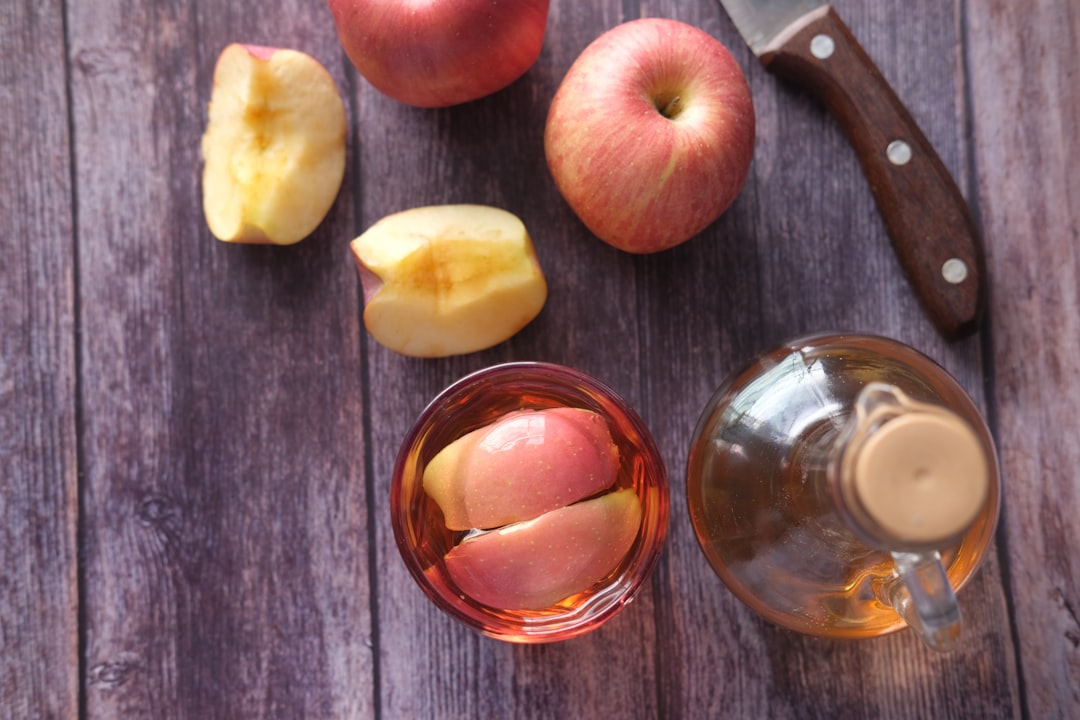


Apple cider vinegar is one of the most in-demand pantry products in the country, and most of what people buy at the grocery store is mass-produced, pasteurized, and stripped of the live cultures that make ACV valuable. That gap between what customers want and what they can find at the store is your opportunity. Homemade raw apple cider vinegar — cloudy, unfiltered, with the mother still floating inside — sells for $8 to $20 a bottle at farmers markets. And it costs you $1 to $4 to make.
The catch is patience. ACV takes two to four months to ferment. But once you have a rotation going, you can produce steady batches with very little hands-on work. This guide covers the cottage food rules, the two-stage fermentation process, acidity testing, pricing, labeling, and how to build a full product line around your vinegar.
The short version: Apple cider vinegar qualifies as cottage food in most states that allow vinegar or acidified foods. Production takes two to four months through a two-stage fermentation — apple juice becomes hard cider, then bacteria convert the alcohol to acetic acid. Ingredient costs run $1 to $4 per bottle, and ACV sells for $8 to $20 at markets, giving you 75 to 90 percent margins. Your edge over grocery brands is selling raw, unpasteurized ACV with the mother. Startup costs are under $300.
The difference is the mother — a colony of acetobacter bacteria that forms a cloudy, cobweb-like mat in raw vinegar. Most commercial ACV is pasteurized and filtered, which kills the mother and removes the live cultures. Bragg's popularized "with the mother" ACV, but even Bragg's is produced at industrial scale.
Your homemade ACV has advantages that factory vinegar cannot match:
The global apple cider vinegar market is valued at $1.1 billion and growing at 8.4 percent annually. Much of that growth is driven by the wellness and gut health movement. Customers who shop at farmers markets are exactly the demographic driving this trend.
Most states allow ACV under cottage food laws, but the classification varies. Some states list "vinegar" explicitly. Others allow "acidified foods" broadly. A few classify ACV as a "fermented product," which may have different rules than standard cottage food.
Some states treat ACV differently depending on how you label and sell it:
The safest approach is to contact your state department of agriculture, describe your product as "apple cider vinegar made from fresh apples," and ask whether it falls under cottage food. Get the answer in writing.
For the full cottage food setup process, read our guide on how to start a cottage food business.
This is the question most ACV guides skip entirely. The answer is technically yes — but practically, it rarely matters at cottage scale.
Apple cider vinegar production passes through an alcohol stage. Apple juice ferments into hard cider (alcohol) before bacteria convert that alcohol into acetic acid (vinegar). The Alcohol and Tobacco Tax and Trade Bureau technically requires anyone producing alcohol — even as an intermediate step — to register a bonded wine cellar.
That said, if you want to be fully compliant, you can file TTB Form 5120.25 (Application for Basic Permit) at no cost. The form is straightforward, and having it on file protects you if anyone ever asks.
If you are also interested in selling fermented beverages like kombucha, which faces similar alcohol-stage questions, check out our guide on how to sell shrubs and drinking vinegars from home.
ACV production is a two-stage fermentation. Stage one converts apple juice to hard cider. Stage two converts that hard cider to vinegar. The process is simple but slow.
ACV requires minimal equipment. Here is everything for a starter setup:
| Item | Cost | Notes |
|---|---|---|
| Food-grade buckets (2-gallon, x4) | $20-$40 | HDPE plastic or glass carboys |
| Cheesecloth or butter muslin | $5-$10 | For covering fermentation vessels |
| Glass bottles (16oz, case of 12) | $15-$25 | Amber or clear, with caps |
| Titration kit | $25-$40 | Essential for measuring acidity |
| Labels (100 ct) | $15-$30 | Weatherproof for farmers market display |
| Funnel and strainer | $5-$10 | For bottling |
| Champagne yeast (5 packets) | $5-$15 | For stage 1 fermentation |
| Raw ACV starter (1 bottle) | $5-$8 | Bragg's or similar, for initial mother |
| Total startup | $95-$178 | — |
Use glass bottles for your finished product. Vinegar is acidic enough to leach chemicals from certain plastics over time, and glass looks more premium at the market. The University of Maine Extension notes that proper containers and acidity levels are critical for safe vinegar preservation.
This is the most important safety step in ACV production. The FDA requires a minimum of 4 percent acetic acid for any product labeled "vinegar." Most commercial vinegar is 5 percent. You need to verify your vinegar meets this standard before selling it.
A pH meter measures hydrogen ion concentration — how acidic a liquid is overall. But it does not tell you the specific percentage of acetic acid. A vinegar could read pH 3.0 (which seems acidic enough) while having only 3 percent acetic acid — below the legal minimum.
Titration measures the actual percentage of acetic acid in your vinegar. Here is the process:
Ohio State Extension provides detailed guidance on vinegar acidity standards and safe food preservation that applies directly to home vinegar production.
Test every batch before bottling. Keep a log of your results.
Your ingredient cost depends almost entirely on your apple source.
| Apple Source | Cost per Gallon of Juice | Cost per 16oz Bottle |
|---|---|---|
| Your own trees | $0 (labor only) | $0.50-$1.00 |
| Seconds/drops from local orchard | $2-$4/gallon | $1.00-$1.75 |
| Fresh-pressed cider from orchard | $6-$10/gallon | $1.75-$3.00 |
| Store-bought organic juice | $8-$12/gallon | $2.50-$4.00 |
One gallon of apple juice yields roughly one gallon of vinegar (slight volume loss during fermentation). A gallon fills about seven 16-ounce bottles.
Add $0.50-$1.00 per bottle for the bottle itself, cap, and label. Total per-bottle cost ranges from $1.00 to $4.00 depending on your apple source. The best way to cut costs is to find a local orchard that sells seconds — apples with cosmetic blemishes that taste perfectly fine but cannot be sold at retail. Many orchards will sell drops (apples that fell from the tree) for even less, sometimes as low as $0.50 per pound. If you have your own apple trees, your only real cost is bottles and labels.
Keep in mind that yeast and a vinegar mother are recurring costs, but both are minimal. A single packet of champagne yeast costs about $1 and handles a full 5-gallon batch. Once you have a healthy mother, it reproduces with every batch, so you never need to buy starter vinegar again after your first round.
Raw apple cider vinegar with the mother commands premium pricing at farmers markets. Here is how the market breaks down:
At $12 per 16-ounce bottle with a $2.50 ingredient and packaging cost:
Your margins will be between 75 and 90 percent depending on your apple source. This is one of the highest-margin cottage food products you can make.
One pricing tip that works well at markets: offer a small discount for customers who bring back their empty bottles. A 50-cent bottle return encourages repeat purchases and cuts your packaging costs. You can also offer a three-pack deal — three bottles for $30 instead of $36 — to increase your average transaction size. Customers who use ACV daily appreciate the savings, and you move more volume per interaction.
Most states require cottage food labels to include:
Do not make health claims on your label. Statements like "cures acid reflux" or "boosts immunity" cross into FDA-regulated territory. You can say "raw" and "unpasteurized" and "with the mother" — these are factual descriptions, not health claims.
For the label design itself, keep it clean and legible. A kraft paper label with simple black text looks professional and fits the handmade aesthetic. Include a brief origin story if you have room — something like "Made from Honeycrisp apples grown in [your county]." Customers connect with the local angle, and it reinforces why your product is worth more than a grocery store bottle. Print labels on waterproof stock so condensation from refrigeration does not smear the ink.
One of the best things about making apple cider vinegar is that it is a base product for an entire product line. Once you have your vinegar production running, you can create:
A folk remedy made by infusing ACV with horseradish, ginger, garlic, onion, hot peppers, and honey. Fire cider sells for $12-$20 per 8-ounce bottle and has a devoted following among wellness customers. The name "fire cider" was trademarked and then lost in court, so you can use it freely.
Also called haymaker's punch — ACV mixed with ginger, honey, and water. Historically a farm hydration drink. Sells well as a concentrate ($10-$15 per bottle) or as a ready-to-drink beverage at summer markets.
Honey and vinegar combined — an ancient preparation that is finding new popularity. Infuse with herbs like thyme, sage, or elderberry. Sells for $12-$18 per 8-ounce bottle.
Add herbs, garlic, or fruit to your finished ACV for culinary vinegars. These make excellent gifts and pair well with a "cooking set" bundle. The University of Maine Extension guide on herbal vinegar provides safe infusion methods.
Fruit, sugar, and your ACV combined into a cocktail or mocktail mixer. If you are interested in this direction, read our guide on how to sell shrubs and drinking vinegars from home.
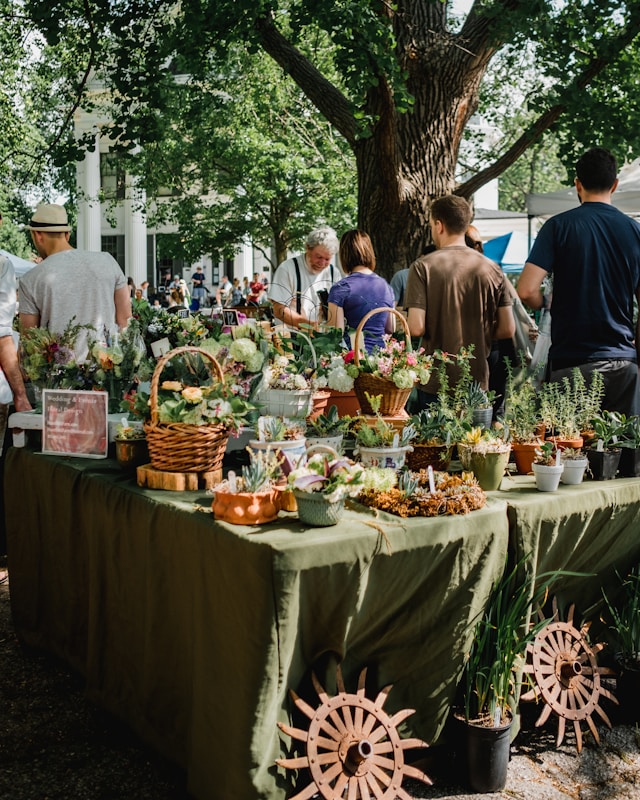
Selling ACV at farmers markets works best when you help customers understand the product. Most shoppers know apple cider vinegar from the grocery store but have never bought it from a local vendor.
ACV is a consumable product with a natural reorder cycle. Customers who use ACV daily go through a 16-ounce bottle every two to three weeks. This makes it ideal for repeat sales and subscriptions.
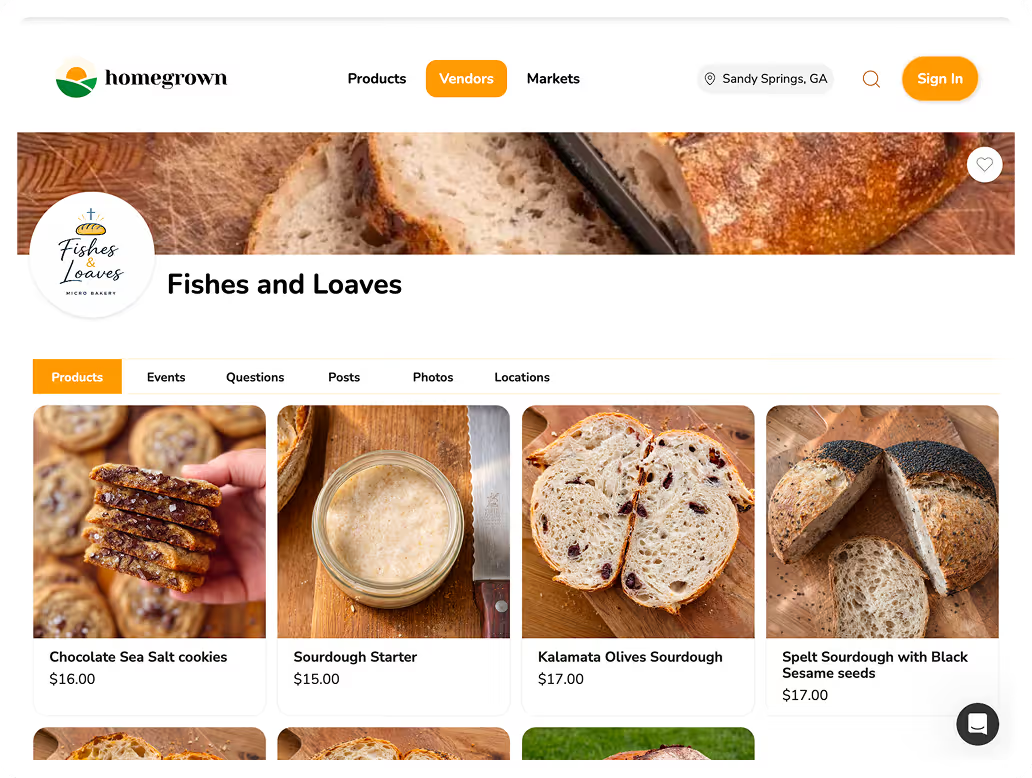
Once you have market regulars buying your ACV, consider setting up an online storefront so they can reorder between markets. Start your free trial at Homegrown to set up a simple order page where customers can buy your vinegar anytime.
You do not need to attend a market every week. Many ACV vendors sell successfully through pre-orders and local delivery. Try Homegrown free for 7 days to let customers place orders online and pick up at the market or a local drop point.
If you already sell at a market and want to add online ordering, read our guide on how to add online ordering to your existing farmers market business.
Properly made ACV with at least 4 percent acidity lasts indefinitely when stored in sealed glass bottles at room temperature. The flavor may change slightly over time, but vinegar does not spoil. The mother may continue to grow in the bottle — this is normal and harmless.
You can shorten stage two from four months to six to eight weeks by keeping the temperature at 75 to 80 degrees Fahrenheit, using a larger surface-area-to-volume ratio (wide, shallow containers), and adding a generous amount of active mother from a previous batch. Do not try to rush stage one — the yeast needs time to fully convert sugars to alcohol.
No. In fact, raw and unpasteurized ACV with the mother is your competitive advantage. Pasteurization kills the live cultures that customers are paying a premium for. Most cottage food laws do not require pasteurization for vinegar.
Yes. Apple peels and cores work well and are essentially free if you also make apple butter, pie filling, or dried apples. Cover scraps with water and sugar (1 tablespoon sugar per cup of water), then follow the standard two-stage process. The vinegar will be milder than whole-juice ACV.
A single 5-gallon batch produces about 35 bottles of 16-ounce ACV. If you keep four batches rotating at different stages, you can produce 35 bottles every two to four weeks once your pipeline is established. That is $280 to $490 in revenue per batch at $8 to $14 per bottle.
Yes, when made properly and tested for acidity. Vinegar's high acidity (pH below 3.5, acetic acid above 4 percent) prevents the growth of harmful bacteria including botulism. The key safety step is titration testing every batch before selling. Never sell vinegar you have not tested.
Any apple variety works for ACV. Tart varieties like Granny Smith produce a sharper vinegar. Sweet varieties like Fuji produce a milder, rounder flavor. Many vendors blend two or three varieties for complexity. Using named local varieties gives you a marketing story — "Made from Honeycrisp apples from Johnson Family Orchard" is more compelling than "made from apples."
Building an ACV business takes patience upfront because of the fermentation timeline, but once your production pipeline is running, it becomes one of the most hands-off, high-margin products you can sell. Start one batch this week, and in three months you will have your first bottles ready for market. Start your free trial at Homegrown to set up your online storefront while your first batch ferments.