

Selling pierogies from home is possible under cottage food law in some states, but the classification depends on whether they are sold frozen (shelf-stable/non-TCS in most interpretations) or fresh/cooked (TCS, requiring refrigeration). The safest cottage food approach is selling frozen pierogies that customers take home and cook themselves. Frozen pierogies are a non-TCS product in many states because freezing is a preservation method, and the customer handles the final cooking. However, this is a gray area — check your specific state's cottage food rules for frozen and prepared foods before investing in production. UF/IFAS's cottage food guide provides a clear example of how one state defines the allowed product list, which helps you understand what questions to ask your own state.
The short version: Pierogies are a gray area product for cottage food. Fresh, cooked pierogies are TCS (need refrigeration) and are NOT allowed under standard cottage food law. Frozen, uncooked pierogies are in a gray area — some states consider them shelf-stable enough for cottage food, others do not. Food freedom states (Wyoming, Utah, Maine, North Dakota, Arkansas) generally allow pierogi sales with fewer restrictions — Oklahoma State Extension's guide to the Homemade Food Freedom Act shows what a newer food freedom law looks like in practice. Before producing, call your state's Department of Agriculture and ask specifically: "Can I sell frozen homemade pierogies under cottage food law?" The answer determines your path. If allowed, frozen pierogies sell for $8 to $12 per dozen with ingredient costs of $2 to $3 — excellent margins for a comfort food product with devoted fans.
This depends entirely on your state and how your state classifies frozen prepared foods:
Pierogies exist in a regulatory gray area because they are a dough-based product (similar to bread, which IS allowed) with a filling that may or may not be TCS depending on ingredients:
The safest approach: make potato and onion pierogies (no dairy, no meat) and sell them frozen. This is the most defensible product for cottage food compliance.
Call your state's Department of Agriculture: "I want to sell frozen homemade pierogies with potato and onion filling from my home kitchen under cottage food law. Is this allowed?" This 5-minute call gives you a definitive answer.
A standard pierogi recipe produces 40 to 60 pierogies per batch. Production takes 3 to 4 hours including dough making, filling preparation, assembly, cooking, cooling, and packaging.
Basic Potato Pierogi Recipe (per 48 pierogies):
Total active time: 3 to 4 hours per batch of 48 pierogies.
| Package | Quantity | Ingredient Cost | Packaging | Total Cost | Selling Price | Margin |
|---|---|---|---|---|---|---|
| Small | 6 pierogies | $0.75 | $0.30 | $1.05 | $5-$6 | 79-83% |
| Standard | 12 pierogies | $1.50 | $0.30 | $1.80 | $8-$10 | 78-82% |
| Family | 24 pierogies | $3.00 | $0.50 | $3.50 | $14-$16 | 75-78% |
The standard dozen at $8 to $10 is the sweet spot: affordable enough for a try-it purchase, profitable enough for your business.
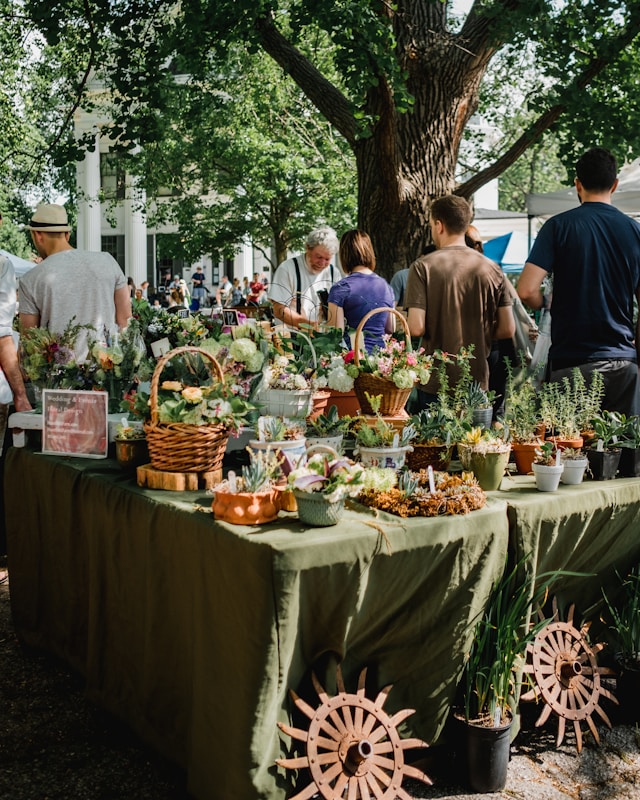
Pierogies are a crowd-pleaser at farmers markets. Two selling approaches:
Frozen only (simpler, cottage food compliant): Sell frozen bags of pierogies from an insulated cooler. Customers take them home and cook. Display a sign with cooking instructions and serving suggestions.
Cooked samples + frozen sales (best conversion): If your market and permits allow, cook a small batch on a portable burner and offer samples. The smell and taste of fresh pierogies draws customers from across the market. They taste one, then buy a frozen bag to take home.
Display frozen pierogies in a cooler or freezer at your stand. Pair with your other products: "Sourdough + pierogies + sauerkraut = complete Eastern European dinner." Cross-selling increases average order value.
List frozen pierogies on your Homegrown storefront. Customers order online and pick up at your stand, market, or porch. Pre-orders are especially valuable for pierogies because production is time-intensive — you want to know exactly how many dozens to make before you start rolling dough.
Pierogies sell exceptionally well during holidays: Christmas Eve (traditional in many Polish-American families), Easter, Thanksgiving (as a side dish), and Super Bowl weekend (comfort food). Promote holiday pre-orders 2 to 3 weeks in advance through your ordering page and social media.
Here is a more detailed breakdown of what each filling costs to produce and what you can charge:
| Filling | Ingredient Cost Per Dozen | Selling Price Per Dozen | Notes |
|---|---|---|---|
| Potato and onion | $1.50 | $8-$10 | Cheapest to produce, most universally liked |
| Potato and cheddar | $2.25 | $9-$11 | Cheddar adds $0.75/dozen; may trigger TCS rules |
| Sauerkraut | $1.75 | $9-$11 | Buy or make your own kraut; tangy flavor stands out |
| Mushroom and onion | $2.50 | $10-$12 | Fresh mushrooms cost more but justify a premium price |
| Sweet potato and caramelized onion | $2.00 | $10-$12 | Seasonal fall item; caramelizing adds 20 min to prep |
| Blueberry (dessert) | $3.00 | $11-$13 | Fruit fillings leak if not thickened with a bit of cornstarch |
A few practical notes on fillings. Potato and onion is your workhorse — it is cheap, fast, and appeals to every age group. Sauerkraut filling works especially well if you already make your own fermented cabbage, because you are turning a $0.40 ingredient into part of a $10 product. Mushroom and onion is a strong second flavor because it hits the "earthy, savory" note that customers describe as restaurant-quality. Dessert pierogies (blueberry, strawberry) are a conversation starter at markets, but they sell in smaller quantities — make 2 dozen per market day, not 10.
If you offer multiple fillings, label each bag clearly and use different colored twist ties or sticker dots so customers can tell them apart in their freezer at home.
Start with potato and onion only. It is the most universally loved, the cheapest to produce, and the most clearly cottage-food-compliant (no dairy, no meat). Add a second flavor after you have consistent demand for the first.
Your label needs all standard cottage food information plus:
Include a small card with serving suggestions: "Serve with sauteed onions, sour cream, and applesauce. Great as a main dish, side dish, or appetizer." This card adds perceived value and helps customers who have never cooked pierogies.
How you package frozen pierogies matters more than you might expect. Bad packaging leads to freezer burn, stuck-together pierogies, and customers who do not come back.
Resealable freezer bags are the most common choice for cottage food pierogi sellers. They cost $0.10 to $0.30 each and customers can reseal them after taking out a few pierogies. The downside: they look homemade, which is fine at a farmers market but less appealing for gift-giving.
Vacuum-sealed bags cost $0.20 to $0.40 each but prevent freezer burn for 6 months or more. They also look more professional on a display table. You need a vacuum sealer ($40 to $80 for a basic model), but it pays for itself within a few weeks of selling.
Cardboard trays with shrink wrap give the most polished look. Place 6 or 12 pierogies on a small cardboard tray, wrap in plastic, and add your label. This adds $0.50 to $0.75 per package but commands a higher price — customers perceive tray-packaged pierogies as worth $2 to $3 more than the same product in a bag.
The single biggest packaging mistake is putting freshly made pierogies directly into a bag. They will freeze into one solid mass. Instead:
Bring a hard-sided cooler or insulated tote filled with frozen gel packs. Pierogies need to stay frozen from your kitchen to the customer's hands. On hot summer days, bring extra gel packs and keep your cooler in the shade. If pierogies start to thaw at the market, you cannot refreeze and sell them — cook them for samples instead.
For more on selling specialty products, see our guides on what to sell at a farm stand and value-added products for farm stands.
It depends on your state and the specific filling. Frozen potato and onion pierogies are the most likely to be allowed under cottage food law. Pierogies with cheese or meat fillings may trigger TCS or USDA restrictions. Call your state's Department of Agriculture to confirm before producing.
Properly frozen pierogies last 3 to 6 months in a home freezer without significant quality loss. Vacuum-sealed pierogies last even longer (6 to 12 months). Always include a "use by" date on your label (3 months from production is a safe recommendation).
Selling cooked, ready-to-eat pierogies requires a health department food vendor permit and a permitted cooking setup at the market. This is the same licensing as any prepared food vendor (similar to selling fresh juice or hot meals). The frozen-only model is simpler for cottage food vendors.
A typical home kitchen batch produces 40 to 60 pierogies in 3 to 4 hours. With experience and a helper, you can increase to 100 to 120 per session. For 20 dozen (240 pierogies) per week, plan two 4-hour production sessions.
Freeze pierogies in a single layer on a parchment-lined sheet pan until solid (2 to 4 hours). Then transfer to freezer bags. This prevents them from sticking together. Do NOT stack fresh pierogies in a bag and freeze — they will fuse into an unbreakable block.
Yes, for the best customer experience. Boiled-then-frozen pierogies reheat quickly (3 to 5 minutes in boiling water or 5 to 7 minutes in a pan). Uncooked frozen pierogies take longer to cook and the dough texture may suffer. Pre-cooking is the standard for commercial frozen pierogies.
A large pot for boiling, a rolling pin, a round cutter (3 to 4 inch — a cup or biscuit cutter works), sheet pans for freezing, and a stand mixer with a dough hook (optional but saves time on dough mixing). Total equipment cost beyond a standard kitchen: $20 to $50.
The bottleneck in pierogi production is assembly — rolling, cutting, filling, and sealing each one by hand. Three things help. First, recruit a helper. A second person at the table doubles your assembly speed, and pierogies are social to make (it is why families traditionally made them together). Second, invest in a pierogi press ($15 to $25) that cuts and seals in one motion instead of doing it by hand with a fork. Third, batch your dough and filling on one day, then assemble and boil on a separate day. Splitting the work across two shorter sessions is less exhausting than one marathon.
Three issues kill pierogi sales. First, pricing too low — if you sell a dozen for $5, customers assume they are low quality. The $8 to $10 range signals handmade and worth it. Second, not offering samples. Pierogies sell through taste, not description. If your market allows it, cook 10 to 12 pierogies on a portable burner and cut them into halves for tasting. Third, poor labeling. If your bag just says "pierogies" with no cooking instructions, customers who have never made pierogies at home will not buy them. A clear label with a 3-step cooking method ("boil 5 min, pan-fry in butter 2 min, serve with sour cream") removes the intimidation factor.