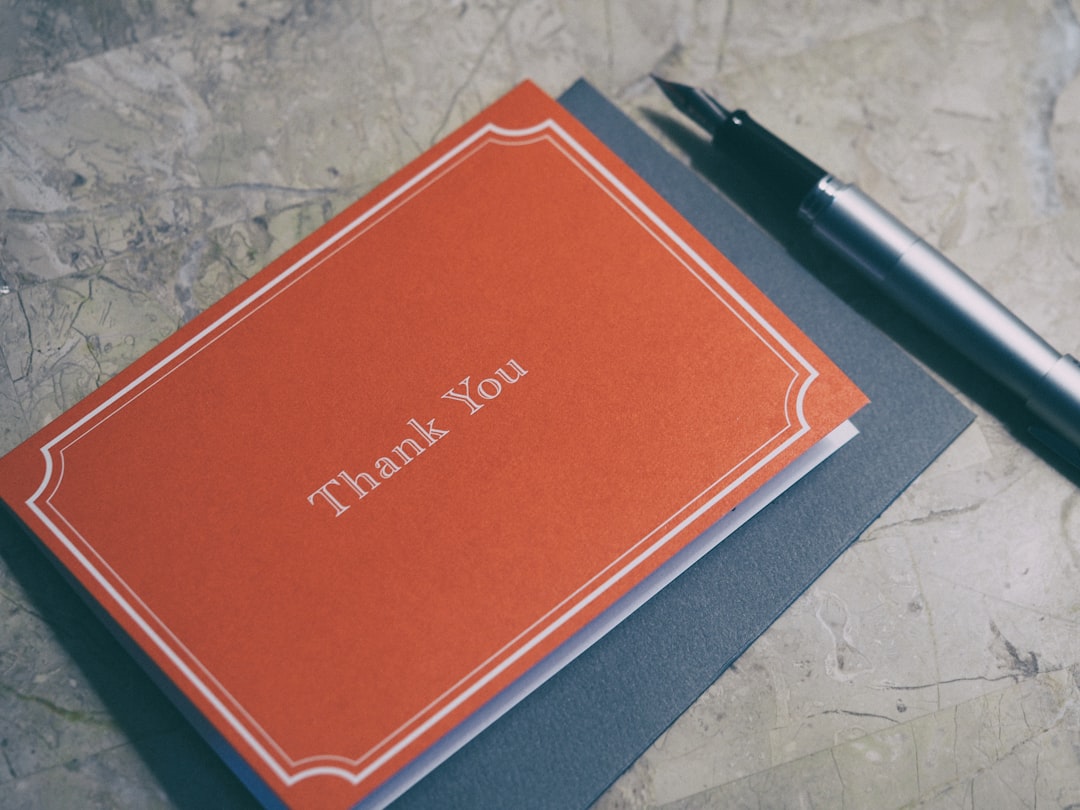


The best loyalty program for a farm stand is not a punch card — it is a system that rewards repeat customers automatically through their ordering behavior. When customers order through your ordering page every week, you can see who your regulars are, how much they spend, and how often they buy. The reward is simple: throw an extra cookie in their bag, give first access to limited products, or send a personal thank-you note after every tenth order. These gestures cost pennies and create loyalty that no punch card can replicate because they feel personal, not transactional.
The short version: Punch cards get lost, forgotten, and faked. Modern loyalty for a farm stand works through three mechanisms: (1) personal recognition — knowing regulars by name and thanking them specifically, (2) first-access perks — emailing or texting your best customers before opening orders to the public, and (3) surprise extras — adding a free cookie, a sample of a new product, or a handwritten note to repeat customers' orders. These cost under $2 per customer per week and create the kind of loyalty where customers drive past three other farm stands to get to yours. If you use an ordering platform with order history, it shows exactly who orders every week, making it easy to identify and reward your best customers without any tracking system.
Punch cards were designed for coffee shops where customers visit daily and carry a wallet. Farm stands are different:
The vendors with the most loyal customers do not use punch cards. They use personal relationships, small gestures, and systems that make regulars feel like insiders.
A 5% increase in customer retention can boost profits 25% to 95%, according to research compiled by SmallBizGenius. Research on small food business loyalty. This personal recognition is the strongest loyalty driver for local businesses. A customer who feels known at your stand will not switch to another vendor for a $1 price difference.
Regular customers want to feel like insiders. "I sent you the ordering link before I posted it publicly" makes a customer feel valued. "You get first pick of the strawberries" makes them feel special. Priority access costs you nothing but creates a VIP experience.
A free cookie in their bag. A sample of your new jam. A handwritten "thanks for being a regular" note. These surprises cost $0.50 to $2.00 and create stories: "My farm stand vendor threw in a free cookie this week just because." That story gets told to 3 to 5 friends, each of whom might become a new customer.
Keep a list of customers who order every week. This can be a phone note, a spreadsheet, or your ordering platform's customer data. Review it weekly.
For every customer on the list:
This system takes 5 minutes per week (reviewing the list, adding extras to bags) and creates powerful loyalty.
When you open weekly pre-orders, message your top 10 to 15 regulars first:
Monday 8 AM: Text/DM your regulars: "Hey [name], pre-orders are open for Saturday. I have sourdough, cookies, and a new blueberry jam. Here is your link: [ordering link]. I am posting publicly at noon."
Monday 12 PM: Post your menu publicly on Instagram and Facebook.
Regulars get a 4-hour head start. On weeks with limited products, they order before anyone else and are guaranteed their favorites. This creates the perception of being an insider — they get something the general public does not.
If you use an ordering platform, your order history shows who orders most frequently. Sort by frequency, identify your top 10 to 15, and message them first every week. The platform does the tracking. You do the personal outreach. For keeping your records organized as your customer base grows, UW Extension's record-keeping guide covers practical tracking methods for small food operations.
Every week, pick 2 to 3 regular customers and add something unexpected to their order:
Rotate through your regulars so everyone gets a surprise once per month. The cost per surprise is $0.50 to $2.00. The loyalty it builds is worth $50 or more in retained revenue per customer per month.
Track cumulative orders per customer (your ordering platform does this automatically). At meaningful milestones, send a personal message and a reward:
| Milestone | Reward | Message |
|---|---|---|
| 5th order | Free cookie/extra product | "Your 5th order! I threw in a free cookie to celebrate." |
| 10th order | Free product of their choice | "10 orders — you are officially a regular. Pick anything from the menu on me this week." |
| 25th order | Gift bundle (jam + honey + cookies) | "25 orders! You have been with me since almost the beginning. This one is a thank you." |
| 52nd order (1 year weekly) | Handwritten card + free order | "A full year of orders. I cannot tell you how much your support means. This order is on me." |
These milestones create memorable moments that customers share with friends: "My farm stand lady gave me a free order because I have been ordering for a year." That is marketing money cannot buy.
Homegrown costs $10/month with no percentage fees and tracks every customer's order history automatically — how many orders they have placed, how much they have spent, and when they last ordered. Sort by order count or total spend to find your top customers instantly. This is the loyalty infrastructure: you know who ordered 10 times before you try to figure out what to reward them with. Managing orders through Instagram DMs gives you no customer list and no order count — you are scrolling back through months of messages trying to remember whether Sarah has ordered 8 times or 12. A spreadsheet tracks what you enter manually, but you have to remember to update it after every single order, and by week six you are three weeks behind. Homegrown does not design your loyalty tiers or tell you what rewards to offer — this guide covers those. What it does is give you the data that makes loyalty possible: who your regulars are, how often they order, and when someone who used to order weekly has gone quiet.
If you manage orders through DMs or at the stand:
Most farm stand vendors intuitively know their top 5 to 10 customers. Formalizing it in a list lets you systematically reward them instead of occasionally remembering.
Budget $2 to $5 per regular customer per month for loyalty gestures. For 15 regulars, that is $30 to $75 per month — roughly the cost of one bag of flour and a few eggs.
The return: a regular customer who orders $15 per week for 52 weeks spends $780 per year. Spending $60 per year to keep them (5 cents per dollar of revenue) is one of the highest-ROI investments in your business.
Compare this to the cost of acquiring a new customer: Facebook ads cost $5 to $20 per new customer. A farmers market booth costs $50 to $75 per selling day to attract new buyers. Retaining an existing customer through $5 per month in loyalty gestures is dramatically cheaper than replacing them.
"10% off your next order" devalues your product. "I threw in an extra cookie because you are one of my best customers" adds value. The customer receives the same economic benefit (~$2 either way), but the extra cookie feels like a gift while the discount feels like your products were overpriced.
"Buy 10, get 1 free" turns loyalty into a math problem. Genuine loyalty is emotional, not arithmetic. "I thought of you when I made this new jam flavor" creates a personal connection that no discount structure can replicate.
A customer who orders every week for 6 months deserves different treatment than a customer who ordered once. Tiered loyalty (more rewards for more frequent customers) is not unfair — it is smart business. Your best customers generate the most revenue and deserve the most attention.
The most effective loyalty gestures are unexpected. "We have a loyalty program where you get X after Y orders" turns it into a transactional expectation. "Surprise — I added an extra cookie to your bag this week" creates delight because it was not expected.
Do not publish your loyalty tiers or milestones. Let the rewards be genuine surprises that make customers feel individually valued, not participants in a program.
For more on building repeat customers, see our guide on how to turn Instagram followers into repeat customers. And for the full farm stand marketing strategy, see our guide on driving traffic to your farm stand for free.
No. The most effective farm stand loyalty programs require nothing more than a customer list, a memory for names, and a willingness to add $2 worth of extras to your best customers' orders. Your ordering platform tracks order history automatically. Everything else is personal gesture, not technology.
Focus your loyalty efforts on your top 10 to 15 customers — the ones who order every week or every other week. These customers typically generate 50 to 70% of your revenue. Retaining all of them is more valuable than acquiring 20 new occasional buyers.
No. The surprise element is what makes loyalty gestures powerful. If customers expect a free cookie every 4th order, it becomes an entitlement, not a delight. Keep rewards unexpected and personal.
If a regular customer has not ordered in 2 to 3 weeks, send a personal message: "Hey Sarah, I noticed I have not seen your name in the orders lately. Just wanted to make sure you saw that I added blueberry scones to the menu. Here is the link if you want to order for Saturday." This re-engagement message is personal, not pushy, and shows you noticed their absence.
Yes. Even a farm stand with 10 regular customers benefits from loyalty efforts. Retaining those 10 costs $50 to $100 per year in extras. Replacing even 2 of them (through marketing, market fees, and customer acquisition effort) costs far more. Loyalty is the cheapest growth strategy because it prevents shrinkage of your existing customer base.
Pre-orders ARE your loyalty infrastructure. Customers who pre-order every week are your regulars by definition. Your ordering platform tracks their behavior automatically. Use the pre-order data to identify, reward, and retain your best customers without any additional tracking system.
Greeting customers by name when they pick up. It costs nothing, takes one second, and creates a personal connection that no discount, free product, or technology can match. Learn your regulars' names. Use them every time. That alone retains more customers than any formal loyalty program.
When a new customer mentions they were referred by a regular, add a small thank-you extra to the referring customer's next order — an extra cookie, a sample jar, or a handwritten note saying "Thanks for sending [name] our way." Do not formalize it into a referral program with structured incentives. The personal, unexpected nature of the thank-you is what makes it powerful. Referral customers are your highest-quality leads because they arrive with built-in trust from someone they know.
Even 5 regular customers deserve recognition. In fact, loyalty gestures matter more when your customer base is small because losing one of five regulars means losing 20% of your revenue. With a small base, you can afford to be more generous — a free loaf of bread to your best customer once a month costs $2 in ingredients and keeps $60 per month in recurring revenue coming back. Start loyalty efforts from your very first repeat customer, not after you reach some arbitrary number.
Free extras are almost always better than discounts. A $2 discount on a $10 product tells the customer your product is only worth $8. A free cookie added to their bag tells the customer they are special and valued. Both cost you roughly the same amount, but the extra creates a story they tell friends while the discount just feels like a smaller price tag. Save discounts for end-of-day surplus or slow-moving inventory, and use surprise extras for loyalty.