

Adding a CSA or farm box subscription to your farm stand creates predictable weekly revenue and a committed customer base that pays before the season starts. The simplest way to start is a "farm box" model rather than a traditional CSA: customers subscribe to a weekly box of whatever you have available, pay weekly or monthly through your ordering page, and pick up at your farm stand during regular hours. This avoids the full-season upfront commitment of a traditional CSA while giving you recurring revenue and predictable production planning. If you want to explore the traditional CSA model instead, NC State's CSA resource guide covers startup models, four pricing methods, and member retention tactics in depth.
The short version: A farm box subscription is a lightweight version of a CSA that works well alongside an existing farm stand. Customers sign up for a weekly box ($20 to $35 per week) containing whatever products you have available — produce, baked goods, jam, honey, eggs. They pay weekly through your ordering page and pick up at the stand during your regular hours. Start with 5 to 10 subscribers. You curate the box contents based on what you produce that week, which eliminates the crop diversity pressure of a traditional CSA. The farm box model generates $100 to $350 per week in guaranteed recurring revenue on top of your walk-in and pre-order sales. Scale to 20 to 30 subscribers as your production capacity grows.
Traditional CSAs and farm box subscriptions are both recurring food programs, but they work differently:
| Feature | Traditional CSA | Farm Box Subscription |
|---|---|---|
| Payment | Full season upfront ($500-$700) | Weekly or monthly ($20-$35/week) |
| Commitment | 20-26 weeks locked in | Cancel anytime or month-to-month |
| Box contents | Produce only (typically) | Anything you sell (produce, baked goods, preserves) |
| Crop diversity | Must grow 15-20+ crops | Include whatever you have |
| Customer expectation | Diverse weekly share | Curated selection of your best products |
| Best for | Diversified farms with 1+ acres | Farm stands with mixed products |
The farm box model is better for most farm stand vendors because it does not require full-season commitment from customers, does not demand the crop diversity of a traditional CSA, and allows you to include value-added products (bread, jam, honey) that a traditional CSA would not include.
For a detailed comparison of CSAs and farm stands as standalone models, see our guide on farm stand vs CSA.
Decide what goes in each weekly box. The most successful farm boxes include 5 to 8 items from across your product range:
Example farm box ($25/week):
The box should feel like a deal compared to buying each item individually. A 10 to 15% savings incentivizes the subscription while maintaining your margins.
Price your farm box to cover your costs plus margin:
| Box Size | Target Price | Contents | Best For |
|---|---|---|---|
| Small | $15-$20/week | 3-4 items | Singles, couples |
| Regular | $25-$30/week | 5-8 items | Families of 2-3 |
| Large | $35-$45/week | 8-12 items | Families of 4+ |
Start with one size (regular) to keep production simple. Add small and large options after you have 10 or more subscribers and understand demand patterns.
List your farm box as a product on your ordering page: "Weekly Farm Box — $25. A curated selection of our freshest products, picked for you each week. Contents change based on what is in season." Customers order the farm box each week alongside their individual product orders. You prepare their box as part of your regular production and label it for pickup.
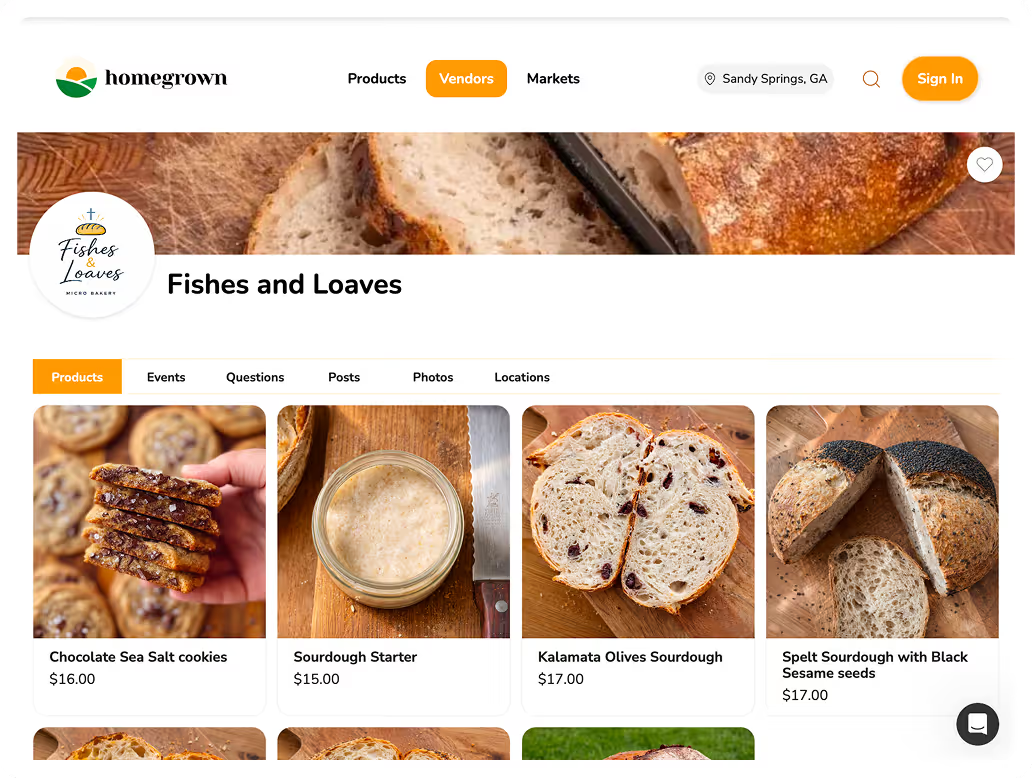
Homegrown costs $10/month with no percentage fees and handles the weekly farm box ordering — you list the box with a description and quantity cap, subscribers order and pay each week alongside your regular product list, and you see the full subscriber count before you start curating. Email subscribers each Monday with a reminder and the week's box contents: "This week's farm box includes sourdough, blueberry jam, fresh basil, cherry tomatoes, and eggs. Order here: [link]." Managing farm box signups through Instagram DMs means tracking 15 recurring customers across a week of messages, hoping everyone who said "put me down for one" actually pays by Thursday. A Google Form collects signups but not payment — you are matching form entries to Venmo screenshots and chasing down 4 subscribers who forgot to send money before you start packing boxes Friday night. Homegrown does not handle automatic recurring charges or manage box customization swaps — this guide covers those. What it does is give every subscriber a single link where they order, pay, and confirm their box each week, so your subscriber list is a confirmed count of prepaid boxes instead of a spreadsheet of "I think she's still in."
Launch with a small group to test your ability to fill boxes consistently. Announce to your email list, Instagram followers, and farm stand regulars:
"I am launching a weekly farm box — $25 for a curated selection of my best products every week. Limited to 10 subscribers to start. Sign up through my ordering page: [link]."
The "limited to 10" framing creates urgency and lets you manage quality. As you get comfortable, open more spots.
Each week, decide what goes in the box based on what you have available. Email or message subscribers before the ordering deadline with the box contents:
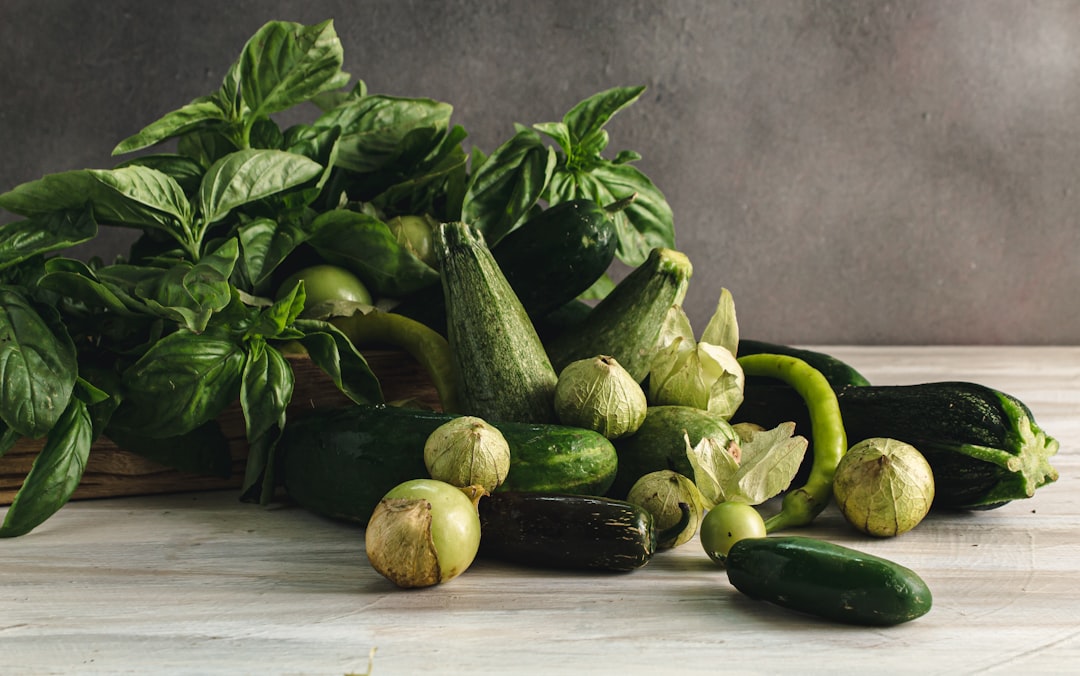
"This week's farm box: sourdough loaf, strawberry jam, 6 eggs, fresh basil, and heirloom tomatoes. Order by Wednesday for Saturday pickup: [link]"
Transparency about contents prevents the "I don't like what I got" complaints that plague traditional CSAs. Subscribers know exactly what they are getting before they order.
The farm box integrates seamlessly with your existing farm stand operation:
Farm box contents come from the same production as your stand inventory. You make 20 loaves of sourdough — 10 go to farm box subscribers, 5 go to individual pre-orders, 5 go to walk-in display. No separate production required.
Farm box subscribers pick up their labeled box during regular stand hours, just like pre-order customers. The box is prepared, labeled, and set in the pre-order area. Pickup takes 30 seconds per subscriber.
Your revenue now comes from three streams:
| Revenue Stream | Example Weekly Revenue |
|---|---|
| Farm box subscribers (10 × $25) | $250 |
| Individual pre-orders (15 × $15) | $225 |
| Walk-in sales | $150 |
| Total | $625 |
Compare this to a stand-only operation at $400 per week. The farm box adds $250 in guaranteed weekly revenue without adding a second selling location, additional hours, or significant extra production.
Subscriber retention is the key metric. Here is how to keep subscribers ordering every week:
A box that contains sourdough, eggs, and jam every week for 8 straight weeks gets boring. Rotate products: swap strawberry jam for blueberry one week, add cookies instead of bread occasionally, include a surprise product (a new sauce, a sample of honey) every 3 to 4 weeks. Variety prevents "subscription fatigue."
A short note in each box adds warmth: "This week's tomatoes are the first of the season — grew them from seed in February. Enjoy!" This personal touch is what separates your farm box from a grocery delivery service.
Allow subscribers to make one swap per week: "Don't want eggs? Swap for an extra jar of jam." This prevents the #1 reason subscribers cancel (receiving items they do not want) while keeping your production mostly standardized.
Message subscribers once per month: "How has the farm box been? Anything you would like to see more of or less of?" This shows you care and gives you data to improve the box.
For more on building customer loyalty, see our guide on farm stand loyalty programs.
Launch a farm box when you have:
Do NOT launch a farm box if:
Add up the cost of ingredients for one box:
| Item | Your Cost | Retail Price |
|---|---|---|
| Sourdough loaf | $1.50 | $8 |
| Jam (8 oz) | $2.00 | $10 |
| 6 eggs | $1.50 | $4 |
| Fresh herbs | $0.25 | $3 |
| Seasonal produce | $1.00 | $3 |
| Packaging (box/bag) | $1.00 | — |
| Total cost | $7.25 | $28 retail |
Set the box price between your cost and retail value. A $25 box with $28 in retail value gives the customer a perceived 11% savings. Your cost is $7.25, so your margin is 71% ($17.75 profit per box).
At 10 boxes per week: $177.50 weekly profit from the farm box program alone.
The general rule: price the box at 85 to 90% of the total retail value of its contents. This gives subscribers a clear deal while maintaining your margins.
Your farm stand regulars are your best subscription prospects. They already buy from you weekly. The farm box just formalizes and bundles their purchases.
The farm box is an excellent first-purchase product for new customers because it introduces them to your full range:
For more on marketing your farm stand, see our guides on driving traffic for free and using Instagram for farm stands.
Five subscribers at $25 per week generates $125 per week in guaranteed revenue. That is enough to justify the effort. Most vendors find the sweet spot at 15 to 25 subscribers, which generates $375 to $625 per week on top of other revenue streams.
Yes. A farm box can contain entirely cottage food products (bread, jam, honey, cookies) without any produce. You can also partner with a local farm to source produce for your boxes while contributing your own value-added products.
Communicate contents before the ordering deadline. If subscribers know what is in the box before they order, they only order weeks when the contents appeal to them. This self-selection prevents complaints. Allowing one swap per week also addresses preferences without requiring full customization.
Start with weekly ordering (customers order their box each week through your ordering page). True auto-charging monthly subscriptions add complexity. Most farm stand vendors find that weekly ordering with a reminder email works better because subscribers can skip weeks when they are on vacation or do not want that week's contents.
If you cannot produce enough for all subscribers one week, communicate early: "This week's box is smaller than usual due to [reason]. I am reducing the price to $20 this week." Transparency builds trust. Subscribers understand that farming has unpredictable weeks.
For cottage food products, shipping may violate your state's cottage food law (which typically requires direct-to-consumer, in-state sales — Clemson Extension's cottage food factsheet explains how South Carolina's law handles online and mail-order sales, which gives a useful reference for understanding these restrictions). For fresh produce, shipping adds $10 to $20 in costs and logistics per box. Most farm stand vendors stick to pickup at the stand, which aligns with their existing operation.
A farm box contains raw ingredients and finished products (bread, jam, produce, eggs). A meal kit contains pre-portioned ingredients for specific recipes. Farm boxes are simpler to produce because you are not designing meals or portioning ingredients. They are also allowed under cottage food law in most states, while meal kits may require additional licensing.
If a subscriber has not ordered in 3 or more weeks, send a casual check-in message: "Hey, I noticed you have not grabbed a farm box in a few weeks — just wanted to make sure you are still getting the weekly reminders. Let me know if you want to pause or if there is anything you would like to see in the box." This re-engagement is personal, not automated, and gives them an easy way to either restart or officially pause. Most skipped weeks are just busy schedules, not dissatisfaction.
Yes, and it is one of the best ways to convert hesitant customers. Offer a one-time introductory box at a reduced price — for example, $18 instead of $25 — so new subscribers can experience the quality and variety without the full commitment. Make it clear the trial price is for the first box only. Most customers who try a well-curated trial box continue ordering at full price because the value is obvious once they experience it firsthand.