

In most states, no — standard cottage food laws restrict you to non-TCS (shelf-stable) products. However, the landscape is changing rapidly. As of 2026, at least 9 states allow certain TCS foods under their cottage food or food freedom laws, and more states are expanding every year. Whether you can sell TCS products from your home kitchen depends entirely on your state's current law. The answer is not a universal yes or no — it is a state-by-state checklist. UF/IFAS's cottage food guide for Florida provides a good example of how one state defines the line between allowed and prohibited products.
The short version: Most states restrict cottage food to non-TCS products: baked goods (no cream filling), jams, honey, candy, dried goods. A growing number of states now allow certain TCS items: cream cheese frosting (where sugar content is high enough), fermented vegetables, certain egg products, and prepared meals. Five food freedom states (Wyoming, Utah, Maine, North Dakota, Arkansas) allow the broadest range of TCS products with the fewest restrictions. If you want to sell a TCS product, check your specific state's allowed product list — do not assume. Selling a TCS product that your state does not allow puts you at risk of fines and a stop-sale order. If your product is not allowed, you can either modify the recipe to be non-TCS, use a licensed commercial kitchen, or advocate for law changes. For more on TCS food categories, see our guide on TCS foods explained.
The map of TCS allowances is complex and changes frequently. Here is a simplified breakdown as of 2026:
These states have expanded their cottage food laws or enacted food freedom laws that permit certain TCS foods from home kitchens:
| State | TCS Products Allowed | Notes |
|---|---|---|
| Wyoming | Nearly all (food freedom) | No caps, no permits, widest allowance |
| Utah | Broad range (food freedom) | Direct-to-consumer only |
| Maine | Town-by-town (food sovereignty) | Varies by municipality |
| North Dakota | Broad range (food freedom) | Minimal oversight |
| Arkansas | Nearly all (food freedom) | No permits, no fees, no cap |
| Indiana (2026) | Prepared foods, certain meats | New law signed March 2026 |
| Tennessee (2026) | Expanded product list | Removed licensing requirements |
| California | Some TCS with CFO-A permit | Requires separate permit tier |
| Texas | Expanded list including some TCS | $50,000 annual cap |
Several states have added specific TCS products to their cottage food allowed lists:
The majority of states still restrict cottage food to non-TCS products only. In these states, any product requiring refrigeration is prohibited from home kitchen production without a commercial kitchen license.
Here is a product-by-product breakdown for the most commonly asked-about TCS items. The Alabama Extension pH Pantry Guide is a useful companion reference — it explains pH testing, water activity, and why recipe modifications can push a safe product into TCS territory:
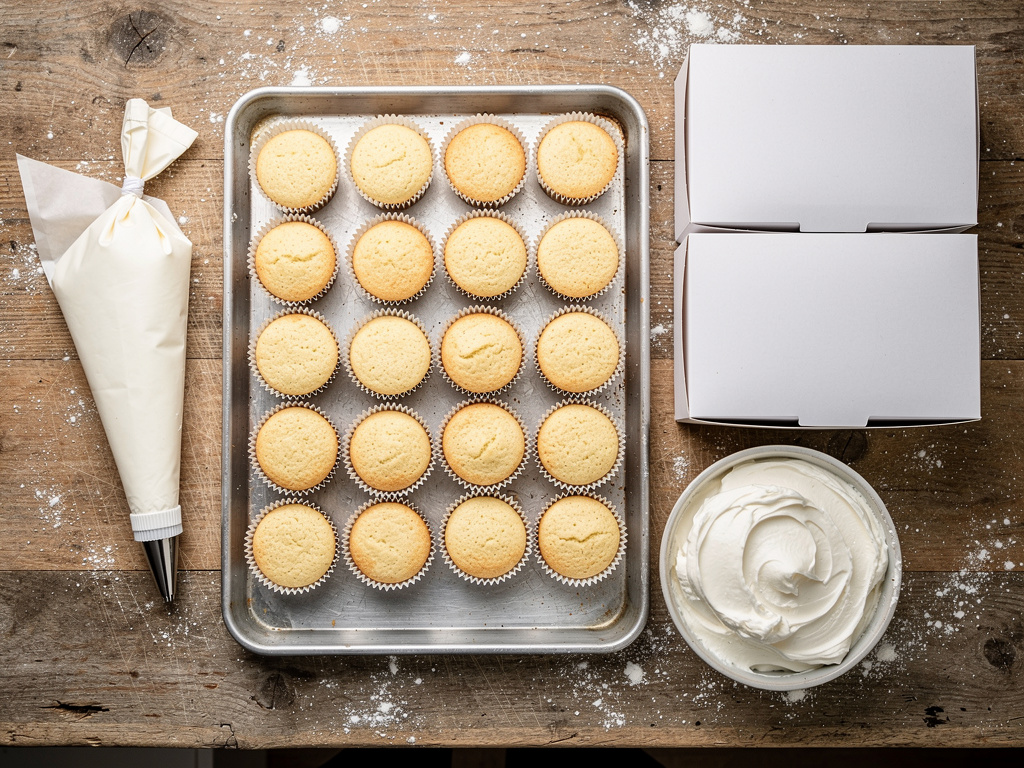
Can I sell cupcakes with cream cheese frosting?
Can I sell cheesecake from home?
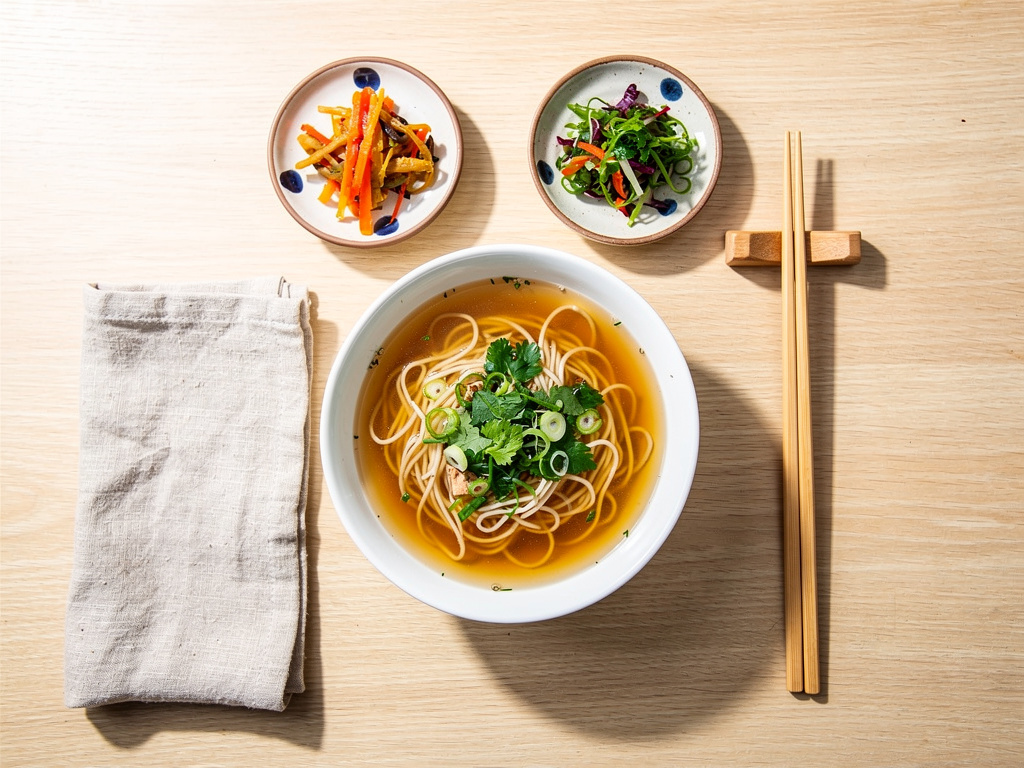
Can I sell ready-to-eat meals (soups, casseroles, prepared plates)?
Can I sell fermented vegetables from home?
Can I sell eggs from my chickens?
Can I sell kombucha from home?
Search "[your state] cottage food allowed products" or "[your state] cottage food law." Most state agriculture department websites have a specific page listing every product category allowed under cottage food law.
If your product is on the allowed list, you are clear. If it is NOT on the list, it is either prohibited or has not been specifically addressed by your state.
For products not clearly listed, call and describe your specific product: "I want to sell cupcakes with cream cheese frosting from my home kitchen under cottage food law. Is this allowed?" The person on the phone can give you a definitive answer for your state.
Cottage food laws are updated frequently. A product that was prohibited in 2024 may have been added to the allowed list in 2025 or 2026. Check the most recent version of your state's law, not an outdated summary from a blog post.
You have four options:
Many TCS products can be reformulated to be non-TCS:
| TCS Version | Non-TCS Alternative |
|---|---|
| Cream cheese frosting | Buttercream frosting (butter + powdered sugar) |
| Custard-filled pastry | Fruit-filled pastry (dried or cooked fruit) |
| Fresh fruit topping | Dried fruit or cooked fruit compote |
| Milk chocolate (in some states) | Dark chocolate (lower moisture) |
Recipe modification is the fastest and cheapest path to compliance. You keep selling from your home kitchen with no additional permits or costs.
Rent time in a commissary kitchen ($15 to $40 per hour) that has the health department permits and refrigeration required for TCS products. See our guide on commissary kitchen vs home kitchen.
Some states (like California) offer tiered cottage food permits. The basic permit covers non-TCS only. An advanced permit (CFO-A) covers additional products including some TCS items but requires extra training and may include home kitchen inspection.
If your state's cottage food law is restrictive, join advocacy efforts to expand it. Organizations like the Institute for Justice and Farm and Ranch Freedom Alliance support cottage food expansion nationwide. Contact your state legislators with your specific story: what you want to sell, why it is safe, and how the current law prevents you from doing so.
More. The trend is unmistakably toward allowing more products, including TCS items, under cottage food and food freedom laws:
The momentum is driven by three forces: vendor advocacy (people who want to sell), consumer demand (people who want to buy local), and food safety evidence (no outbreaks from cottage food operations).
If your state currently restricts TCS products, there is a reasonable chance the law will expand within the next 2 to 5 years. In the meantime, sell what is allowed and focus on building your customer base with non-TCS products. When the law expands, you will already have the infrastructure (ordering page, customer base, brand reputation) to add new products immediately.
For the complete picture of which states have the most permissive laws, see our guide on food freedom states.
Homegrown costs $10/month with no percentage fees and works regardless of whether your state allows TCS products or restricts you to shelf-stable only — you list whatever products your law permits, customers order and pay in one step, and your order records create the sales documentation that both cottage food and food freedom states expect you to maintain. When your state expands its law to allow cream cheese frosting or fermented foods, you add the new product to your existing page in 2 minutes instead of scrambling to build ordering infrastructure from scratch. Managing orders through Instagram DMs gives you no product catalog and no sales records — you are scrolling through months of messages at tax time trying to reconstruct what you sold. Etsy reaches a wider audience but takes 6.5% plus listing fees on every sale, and most of your TCS customers are local neighbors who already know where to find you. Homegrown does not tell you whether your state allows TCS products or help you reformulate a recipe to be non-TCS — this guide covers those. What it does is give you the ordering page that works today with your current allowed products and scales instantly when your state's law expands.
Ready to start selling locally? The easiest way to take local orders and get paid is an online storefront — see the best platform to sell food from home, or set up a Homegrown storefront in about 15 minutes ($10/mo, 0% commission).
Cream cheese frosting. It is the number one product that cottage food bakers want to use but cannot in most states. The demand for cupcakes, cinnamon rolls, and cakes with cream cheese frosting drives a significant portion of cottage food law advocacy.
Most are, but not all. A plain chocolate chip cookie is non-TCS. A cookie with cream filling is TCS (because of the cream). A fruit pie with cooked filling is generally non-TCS. A custard pie is TCS. The determining factor is the ingredients, not the baking process.
Having a cooler at your stand does not change your cottage food law. If your state does not allow TCS products under cottage food, keeping them cold does not make them legal to sell. The restriction is about the production environment (home kitchen vs commercial kitchen), not the display temperature.
If reported and investigated, you may receive a warning letter, a fine ($100 to $500), and an order to stop selling that specific product. First-time violations typically result in a warning rather than a fine. The enforcement is designed to bring you into compliance, not to shut you down.
The key question: does the finished product need refrigeration to be safe? If it can sit on your counter for 3 or more days without becoming unsafe, it is probably non-TCS. If it needs the fridge within 2 hours, it is TCS. When in doubt, check with your state's Department of Agriculture.
Check if there are any bills pending in your state legislature related to cottage food or food freedom. Organizations like the Institute for Justice track these bills nationally. You can also contact your state's cottage food association (if one exists) for updates on advocacy efforts.
The sales channel (online vs in-person) does not change the product allowance. If your state does not allow TCS products under cottage food, online pre-orders do not create an exemption. The product rules are about the food itself, not how customers find or order it.
Water activity (written as "aw") measures how much moisture in a food product is available for bacteria to use. It is a number between 0 and 1 — pure water is 1.0, and bone-dry crackers are around 0.2. Foods with water activity above 0.85 generally support bacterial growth and are classified as TCS. Foods below 0.85 are typically shelf-stable. This matters because some products that SEEM like they should be TCS — like cream cheese frosting loaded with powdered sugar — can actually test below 0.85 because the sugar binds the available water. Several states now use water activity testing as the dividing line instead of a blanket ingredient ban. If your state allows water activity testing, you can send a sample of your product to a food testing lab ($25 to $75 per test) and receive a certificate confirming your product is non-TCS. That certificate is your proof of compliance if a health inspector questions your product.
In a few states, yes. California's CFO-A (Class A Cottage Food Operation) permit requires a home kitchen inspection but in return allows direct sales to customers including some products that the basic CFO-B permit does not cover. The inspection typically checks for hot water, a functioning refrigerator and freezer, clean surfaces, pest control, and proper food storage. The inspector is not expecting a commercial kitchen — they are checking that your home kitchen meets basic sanitation standards. However, most states do NOT offer a home kitchen inspection path for TCS products. In those states, the only option for TCS production is a licensed commercial kitchen or commissary. Call your county health department and ask specifically: "Is there any permit that allows me to produce TCS foods in my home kitchen for direct sale?" The answer varies not just by state but sometimes by county.
This is one of the most confusing areas of cottage food law. High-acid canned products (jams, pickles, tomato sauce with pH below 4.6) are allowed in most states because the acid content makes them shelf-stable without pressure canning. Low-acid canned products (green beans, corn, soups, meat) require pressure canning and are prohibited under cottage food law in nearly every state because improper pressure canning creates a serious botulism risk. Even in food freedom states, low-acid canned goods are sometimes excluded or require specific training. If you want to sell any canned product, verify two things: whether your state allows it under cottage food, and whether the specific product is high-acid or low-acid. The distinction is not always obvious — salsa with a lot of peppers and onions may be low-acid even though it contains tomatoes and vinegar.