

You bake 40 cookies for Saturday's market. You sell 25, give away 5 to friends who stop by, and take the rest home. Next week you bake 40 again, because you're guessing.
Pre-orders flip that math. Customers order and pay before you bake. You make exactly what's spoken for, waste almost nothing, and walk into market day knowing your revenue before you set up your tent.
Setting up a pre-order page sounds technical, but it's not. You can have one running this afternoon. Here's how to build a pre-order page that your customers will actually use — not one that collects dust in your Instagram bio.
The short version: A pre-order page is a simple online page where customers choose products, pick a date, and pay before you make anything. You need product photos, clear descriptions, a cutoff date, and pickup instructions. You can set one up in an afternoon using a platform like Homegrown, a form builder, or even a link-in-bio tool. The key to getting customers to use it is mentioning it every single week at the market and making it dead simple on mobile.
A pre-order page is a simple online page where customers browse your products, select what they want, and pay — all before you make the food. It's not a full online store. You're not shipping nationwide or managing inventory software. You're letting your existing customers claim products before your next bake day or market day.
For a one-person food operation, pre-orders solve three problems at once.
You stop guessing how much to make. When every cookie, jar of jam, or loaf of bread is already paid for, you're not gambling on foot traffic. You buy ingredients and prep based on confirmed orders, not hopes.
You reduce waste dramatically. The EPA estimates that 30 to 40 percent of the U.S. food supply is never eaten. For a small vendor, waste means lost money on ingredients you can't get back. Pre-orders shrink that number to nearly zero because you're only producing what someone already wants.
You make money between market days. Most vendors only earn during the 4-6 hours they're physically at the market. A pre-order page means customers can place orders on a Tuesday night while sitting on the couch — and you earn revenue all week long, not just on Saturday morning.
A pre-order page is different from a full online store. You're not listing hundreds of products or managing shipping logistics. Think of it as a short, focused menu that opens and closes each week around your production schedule.
Every good pre-order page has six elements. Skip any of them, and you'll spend your week answering DMs with information that should be on the page.
Photos are the single biggest factor in whether someone orders. A pre-order page without photos is like a market booth with a blank tablecloth — nobody stops.
You don't need a professional camera. Use your phone in natural light, near a window. Show the product from above and from the side. If you sell cookies, show them on a plate so customers can see the size. If you sell jam, photograph the jar next to something for scale.
Tell people exactly what they're buying. "Chocolate chip cookies" is not enough. "Half-dozen chocolate chip cookies, 3 inches each, made with real butter and semi-sweet chocolate" is.
Include ingredients for every product. Customers with allergies need this, and it builds trust with everyone else. List the weight or count so there are no surprises at pickup.
List prices clearly next to each product. If you have a minimum order (like $15 or a minimum of one dozen), state it at the top of the page where nobody can miss it.
Don't hide the price behind a "DM for pricing" button. That worked when you had 10 customers. A pre-order page is designed to remove friction, and making someone send a message to learn the price is the definition of friction.
This is the most important element on the page and the one vendors forget most often. Every pre-order page needs a clear deadline: "Orders close Wednesday at 8 PM for Saturday pickup."
Put the cutoff date at the top of the page, not buried at the bottom. Customers need to see it immediately so they know whether they still have time to order.
Tell customers exactly where and when to pick up their order. "Saturday at the farmers market" is too vague. "Saturday, 9 AM - 12 PM, at the Riverside Farmers Market, Booth 14 (look for the red tent)" is what you need.
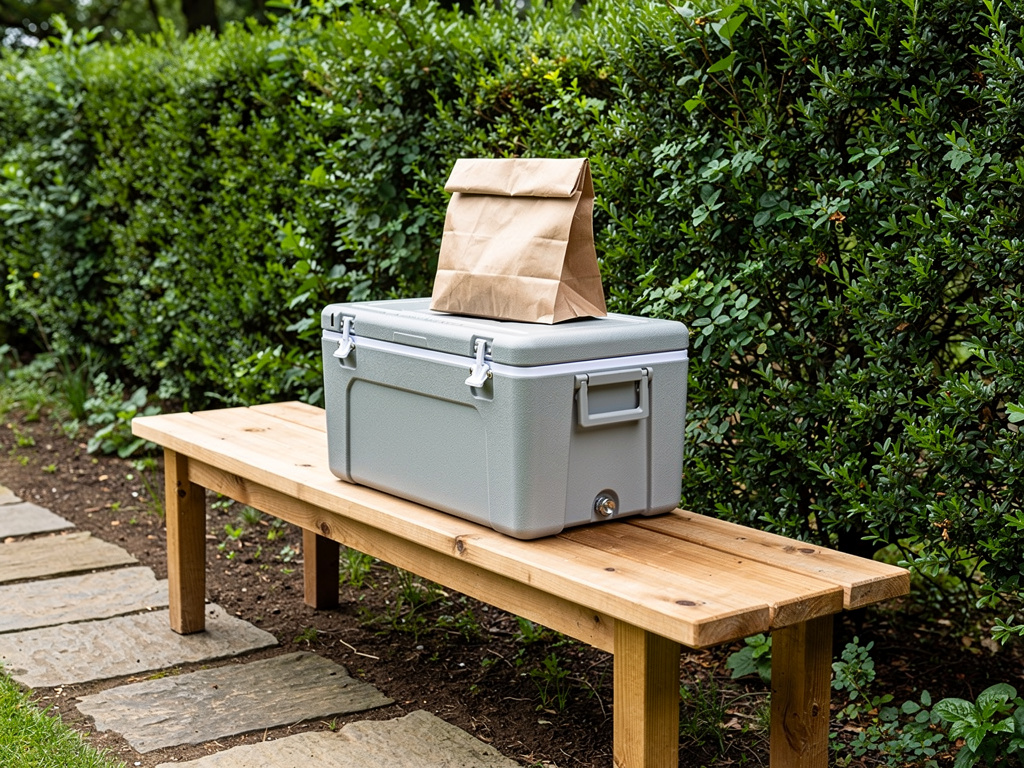
If you offer home delivery, list your delivery area and any delivery fee. If you offer porch pickup from your home, include your address and the pickup window.
Decide whether customers pay online when they order or at pickup. List this clearly so there's no confusion. If you accept Venmo, CashApp, credit cards, or cash at pickup, say so. But strongly consider collecting payment at the time of order — more on that below.
You have three main options, each with different trade-offs. Here's how they compare.
| Feature | Food Vendor Platform | Form Builder | Link-in-Bio Tool |
|---|---|---|---|
| Setup time | 30-60 minutes | 15-30 minutes | 15-20 minutes |
| Built-in payments | Yes | Usually no | Varies |
| Mobile-friendly | Yes | Depends | Yes |
| Professional look | High | Medium | Low-Medium |
| Product photos | Yes | Limited | Varies |
| Cost | $10/mo (Homegrown) | Free | Free-$5/mo |
| Order management | Built-in | Manual (spreadsheet) | Manual |
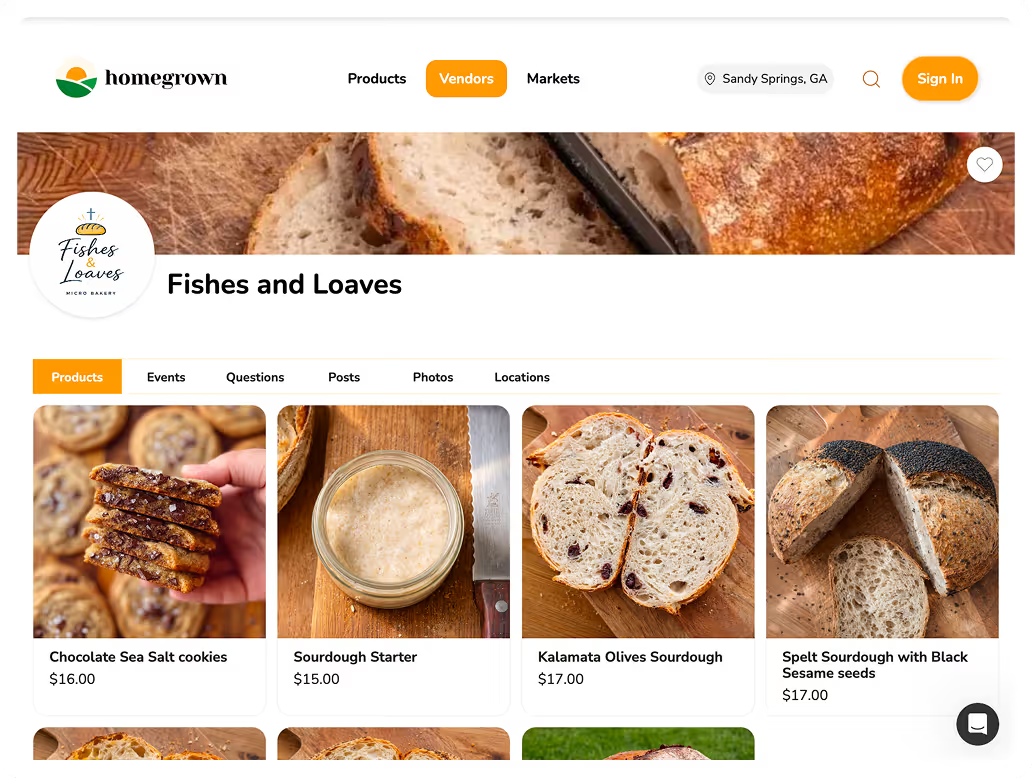
Platforms designed for local food vendors give you a pre-order page with built-in payments, product photos, and order management — all in one place. You add your products, set your availability, and share the link. Homegrown is $10/month with no percentage fees on sales — customers browse your menu, order, pay, and get a confirmation without you being involved. The ordering window opens and closes automatically at your cutoff time. It does not build your website or run your marketing — but as the page on the other side of your link-in-bio or QR code, it turns a click into a paid, confirmed pre-order.
Google Forms, Jotform, or similar tools let you build a basic order form for free. Customers fill in what they want, and you get a spreadsheet of orders.
The downside: most form builders don't handle payment. You'll need to collect money separately through Venmo, CashApp, or at pickup — which means more no-shows and more back-and-forth messages. If you go this route, keep the form short. Five to eight products max. Include photos in the form description if the tool allows it.
Some vendors use Instagram Stories or a link-in-bio page to post their weekly menu and take orders through DMs. This works when you have a small, loyal following, but it falls apart as you grow.
DMs get lost. You can't track who ordered what without scrolling through conversations. And customers who find you for the first time won't know how to order. A link-in-bio page is better than DMs alone, but it's still not a real online ordering system for your food business.
Collect payment when the order is placed. This is the single best decision you can make for your pre-order system.
Here's why. When customers pay upfront:
The only exception: if you sell at a market where all transactions happen in person and your customers are resistant to paying online, you can take orders online and collect payment at pickup. But expect a 20-30% no-show rate with this approach.
If a customer needs to cancel, have a simple policy: full refund if they cancel before your cutoff time, no refund after (because you've already bought the ingredients and started production).
Cutoff times protect your sanity. Without them, you'll get a DM at 11 PM Thursday asking if you can add six cupcakes to Saturday's lineup. Cutoff times tell customers: this is the deadline, and after this, the menu is locked.
Here's a general guide by product type:
| Product | Recommended Cutoff | Why |
|---|---|---|
| Standard baked goods (cookies, brownies, bread) | 48 hours before pickup | Time to buy ingredients and bake |
| Custom cakes and decorated items | 5-7 days before pickup | Decorating takes planning |
| Jams, sauces, shelf-stable goods | 24-48 hours before pickup | Already made, just need to pull and pack |
| Seasonal or limited items | 1 week before pickup | Ingredient sourcing takes longer |
How to communicate cutoff times:
Don't make exceptions. The moment you accept a late order, every customer learns that your cutoff time is a suggestion, not a rule.
Building the page is the easy part. Getting people to use it requires consistent, repetitive promotion. Research shows that 70% of consumers prefer ordering directly from the business rather than through a third-party app — so customers want to order from you directly. You just need to make it easy.
At the market:
On social media:
Through direct outreach:
The most important thing: mention it every single week. Don't post the link once and assume everyone saw it. Repetition is how habits form. After 3-4 weeks of hearing "you can pre-order online," your regulars will start doing it on their own.
These are the errors that kill pre-order pages:
A stale pre-order page stops getting orders. Keep it active:
Your pre-order page is a living document, not a "set it and forget it" project. Spend 15 minutes each week updating it, and it'll keep working for you.
Yes. You don't need a full website to take pre-orders. A dedicated storefront page on a platform like Homegrown works without you building or maintaining a website. You can also use Google Forms or take orders through a link-in-bio tool. The key is having a single, shareable link that customers can access from their phone.
Start with 5-8 products. That's enough to give customers options without overwhelming them or making your production schedule unmanageable. You can rotate products weekly to keep things fresh. Vendors who list 20+ items usually see lower conversion because customers get decision fatigue and close the page.
Set a cancellation policy and post it on your page. A common approach: full refund if they cancel before your order cutoff time, no refund after (because you've already bought ingredients and started production). Keep it simple and consistent. Don't negotiate exceptions — it sets a precedent.
Pre-order requirements are the same as any food sale — they depend on your state's cottage food laws. Most states allow cottage food vendors to sell directly to consumers without a commercial kitchen or special license, but the rules vary. Check your state's cottage food law before selling anything, whether at a market or through pre-orders.
Pickup is the simplest place to start, and plenty of vendors stay there. Delivery is a day-one option on Homegrown if you want it: set your radius, an optional flat fee, a minimum order, and your delivery days, and you run your own route. Add it whenever the demand is there.
Open pre-orders 5-7 days before your pickup date. That gives customers time to browse and order, and gives you time to shop and produce. For custom items like decorated cakes, open orders 2-3 weeks out. For simple shelf-stable products, 3-4 days is fine.
That's a great problem to have. Close the product on your page immediately so no one orders something you can't make. Then note the demand — if you consistently sell out, you can raise your price, increase your batch size, or add a second pickup day.
You don't need a fancy website or expensive software to take pre-orders. You need product photos, clear descriptions, a cutoff date, pickup instructions, and a way to collect payment. That's it.
The vendors who fill their pre-order pages every week are the ones who mention it at every market, share the link on social media, and keep their menu fresh. Pre-orders turn your food business from a guessing game into a system where every product is sold before it's made.
Set up your Homegrown storefront today and start taking pre-orders this week. You can be live in under an hour — and walk into your next market day knowing exactly how many cookies to bake.