


You started selling cookies under a cute business name, "Sweet Street Bakes," say, and someone asks if you have a "DBA." You're not sure what that is or whether you need one. It's a common point of confusion for food side hustlers, because a DBA sounds official and important, but it's actually a simple concept that only matters in specific situations. Understanding when a DBA does and doesn't matter helps you avoid both unnecessary paperwork and missed requirements. This guide explains what a DBA is (and isn't), when it actually matters for a food side hustle, when you probably don't need one, and how to handle it, so you can make an informed decision without overcomplicating things.
Important: DBA requirements and processes are set by state and local rules and vary, and this article is general information, not legal advice. Check your specific state and local requirements, and consult a professional if unsure.
The short version: A DBA ("doing business as," also called a fictitious or assumed business name) simply lets you operate a business under a name different from your legal name. It's not a business structure and provides no liability protection, it's just a registered business name. A DBA generally matters when you operate under a business name that isn't your own legal name (as a sole proprietor) or your LLC's registered name, common reasons include using a business name publicly, opening a bank account in that name, or a legal requirement to register the name. You probably don't need one if you operate under your own legal name. Requirements and processes vary by state and locality, so check yours. It's usually a simple registration when needed, not a big deal.
This guide covers what a DBA is and isn't, when it matters, when you probably don't need one, and how to handle it.
A DBA ("doing business as") is simply a registered business name that lets you operate under a name different from your legal name, it's not a business structure and provides no liability protection. Understanding what it is (and isn't) clears up the confusion.
What a DBA is:
What a DBA is NOT:
Why the distinction matters:
The key to understanding a DBA is knowing that it's simply a business name registration, nothing more. A DBA ("doing business as," also called a fictitious or assumed name) lets you legally operate under a business name that's different from your own legal name, so you can do business as "Sweet Street Bakes" instead of your personal name. Crucially, a DBA is NOT a business structure (it's not an LLC or a sole proprietorship, you can have a DBA under either), it provides NO liability protection (unlike an LLC), and it's NOT a trademark, tax ID, or license. It's purely a name registration. People often overestimate a DBA because it sounds official, but it's just one piece of the puzzle, your business name, separate from your structure, liability protection, and licenses. The U.S. Small Business Administration's guidance on choosing your business name covers registering a business name. Understanding this clears up most DBA confusion.
A DBA actually matters when you operate under a business name that isn't your own legal name (as a sole proprietor) or your LLC's registered name, common triggers include using a business name publicly, banking in that name, or a legal requirement. Name-different-from-legal-name is the key.
When a DBA generally matters:
Why these situations trigger a DBA:
A DBA actually matters when you operate under a business name that isn't your own legal name, that's the core trigger. As a sole proprietor doing business as "Sweet Street Bakes" rather than under your personal legal name, a DBA is generally how you register that business name, and registering a fictitious or assumed name is often legally required when you operate under one (verify your local rules). Common practical drivers include wanting to open a business bank account or accept payments in your business name (banks often need the DBA to recognize the name) and legal requirements to register the fictitious name. If your LLC operates under a name different from its registered legal name, a DBA registers that too. So the situations where a DBA matters all come back to using a business name that isn't your legal name. Because requirements vary by state and locality, check your specific rules to know whether and how you need to register.
You probably don't need a DBA when you operate under your own legal name, or when your business name is already your LLC's registered name, in short, when there's no different fictitious name to register. No name difference, likely no DBA.
When you probably don't need a DBA:
What still applies even without a DBA:
Why you might not need one:
You probably don't need a DBA when there's no fictitious business name to register, which happens in a couple of common situations. If you operate under your own legal name (selling as yourself rather than a separate business name), there's generally no different name to register, so you likely don't need a DBA. And if you formed an LLC and operate under exactly its registered legal name, that name is already registered, so a separate DBA generally isn't needed. The core DBA trigger, using a business name different from your legal (or LLC's registered) name, simply isn't present in these cases. That said, even without a DBA, you still need any required food licenses and permits (a DBA is separate from those), and you still make your structure decision (sole prop or LLC). So don't add unnecessary DBA paperwork if you don't have the trigger, but do handle the requirements that always apply. Setting up your business correctly is part of launching well, which the U.S. Small Business Administration's guidance on registering your business helps orient.
You handle a DBA by checking your state and local requirements and registering the name through the appropriate government process, which is usually a simple, low-cost filing. Check local rules, then register if needed.
How to handle a DBA:
What handling a DBA is (and isn't):
Handling a DBA, if you need one, is usually straightforward. Start by checking your state and local requirements, since DBA rules and processes vary (some places register at the state level, others by county or locality), which tells you whether and where you'd register. Determine whether you actually need one based on whether you're operating under a fictitious name and your local rules. If you do need one, register the name through the appropriate government process, generally a simple, relatively low-cost filing, then use your registered DBA to operate and bank under your business name, and follow any renewal requirements. If you're unsure whether you need a DBA or how to register, your local government office or a professional can clarify. The key mindset is not to overcomplicate it: a DBA is just a name registration, usually a simple step, handled alongside (not instead of) your structure, licenses, and permits. Treat it as the small, practical matter it usually is.
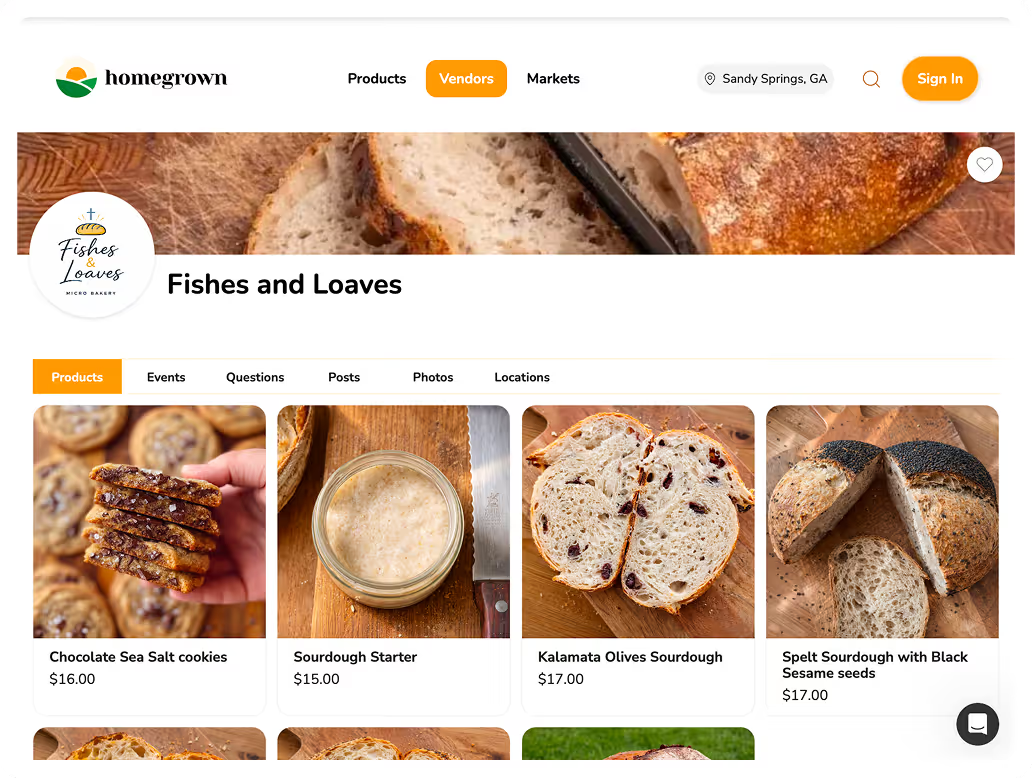
Once you have a business name (with a DBA if needed), you'll want to present it professionally, which a real storefront does. Homegrown is $10 a month with no percentage fees beyond standard payment processing, and it gives you a storefront to present and sell under your business name.
How it compares to the alternatives:
What Homegrown does well: a professional storefront to present and sell under your business name and brand, clean payment handling, and a fifteen-minute setup. Once your business name is set up (with any needed DBA), a storefront lets you present it professionally to customers. It won't handle your DBA registration (that's a government filing), but it gives your business name a professional home. When you're ready to operate under your brand, you can set up your storefront today.
The biggest mistakes are thinking a DBA provides protection it doesn't and either skipping a required registration or adding an unnecessary one. Because a DBA is just a name registration, the errors that matter most involve misunderstanding it.
Mistakes to avoid:
Getting these right means understanding a DBA is just a name registration (no protection), registering one when required (operating under a fictitious name), skipping it when you don't have the trigger, and not overcomplicating it.
A DBA ("doing business as," also called a fictitious or assumed business name) is simply a registered business name that lets you legally operate under a name different from your own legal name. For example, if you want to do business as "Sweet Street Bakes" rather than under your personal legal name, a DBA registers that business name. Crucially, a DBA is not a business structure (it's not an LLC or sole proprietorship, you can have a DBA under either), it provides no liability protection (unlike an LLC), and it's not a trademark, tax ID, or license, it's purely a name registration. People often overestimate a DBA because it sounds official, but it's just your registered business name. Requirements vary by location, so check yours. This is general information, not legal advice.
Generally when you operate under a business name that isn't your own legal name. As a sole proprietor doing business as "Sweet Street Bakes" rather than your personal legal name, a DBA is generally how you register that business name, and registering a fictitious name is often legally required when you operate under one. Common practical triggers include wanting to open a business bank account or accept payments in your business name (banks often need the DBA to recognize the name) and legal requirements to register the fictitious name. If your LLC operates under a name different from its registered legal name, a DBA registers that too. So the trigger is using a business name that isn't your legal name. Check your state and local rules, since requirements vary.
You probably don't need a DBA when there's no fictitious business name to register. If you operate under your own legal name (selling as yourself rather than a separate business name), there's generally no different name to register, so a DBA likely isn't needed. And if you formed an LLC and operate under exactly its registered legal name, that name is already registered, so a separate DBA generally isn't needed for it. The core DBA trigger, using a business name different from your legal (or LLC's registered) name, simply isn't present. So don't add unnecessary DBA paperwork if you don't have that trigger. Note that even without a DBA, you still need any required food licenses and permits, and you still make your structure decision, those are separate from a DBA.
No, a DBA provides no liability protection whatsoever. This is a common misconception, because a DBA sounds official, people sometimes think it protects them or creates a business structure, but it does neither. A DBA is purely a business name registration; it doesn't separate you from your business the way an LLC does, and it doesn't shield your personal assets. If you want liability protection, that comes from forming an LLC or corporation, a separate decision from a DBA. And if you want to protect your brand name, that's a trademark, also separate. So think of a DBA as just your registered operating name, nothing more. For liability protection, consider an LLC (and consult a professional); a DBA won't provide it.
No, they're different things. A DBA registers your business name so you can legally operate under a name different from your legal name, it's about being able to use the name for operating and banking purposes. A trademark, on the other hand, is a form of legal protection for your brand name (and identity) that can prevent others from using a confusingly similar name for similar goods. So a DBA lets you use a business name; a trademark protects it. You might have both: a DBA to operate under your business name, and a trademark to protect that name as your brand grows. They serve different purposes, operating vs protecting, so don't confuse a DBA (a simple name registration) with the brand protection a trademark provides. Consult a professional for trademark questions.
Check your state and local requirements first, since DBA rules and processes vary (some places register at the state level, others by county or locality), which tells you whether and where to register. If you need one (because you're operating under a fictitious name and your locality requires it), register the name through the appropriate government process, generally a straightforward, relatively low-cost filing. Once registered, use your DBA to operate and bank under your business name, and follow any renewal requirements. If you're unsure whether you need a DBA or how to register, your local government office or a professional can clarify. The key is not to overcomplicate it, a DBA is usually a simple filing, handled alongside (not instead of) your structure decision, licenses, and permits.
A DBA is simply a registered business name that lets you operate under a name different from your legal name, it's not a business structure, provides no liability protection, and isn't a trademark. It matters mainly when you use a business name that isn't your own legal name (for operating, banking, or legal compliance), and you probably don't need one if you operate under your own name. Check your local rules, and don't overcomplicate it. And to present and sell under your business name professionally, set up a Homegrown storefront built for local food vendors.