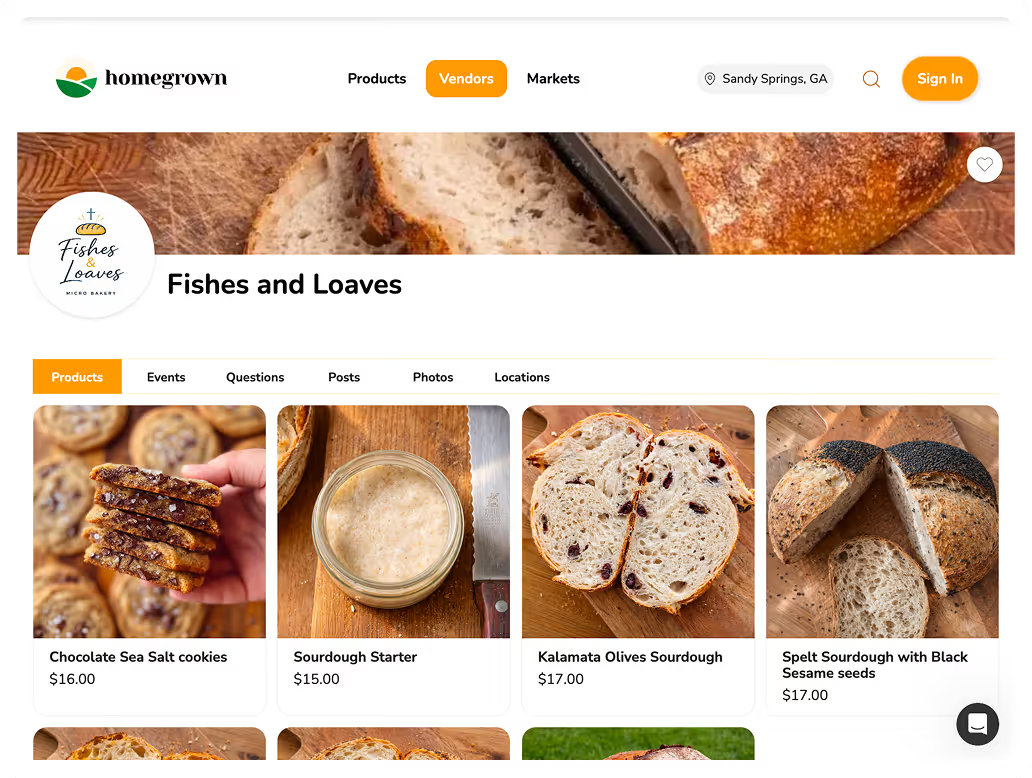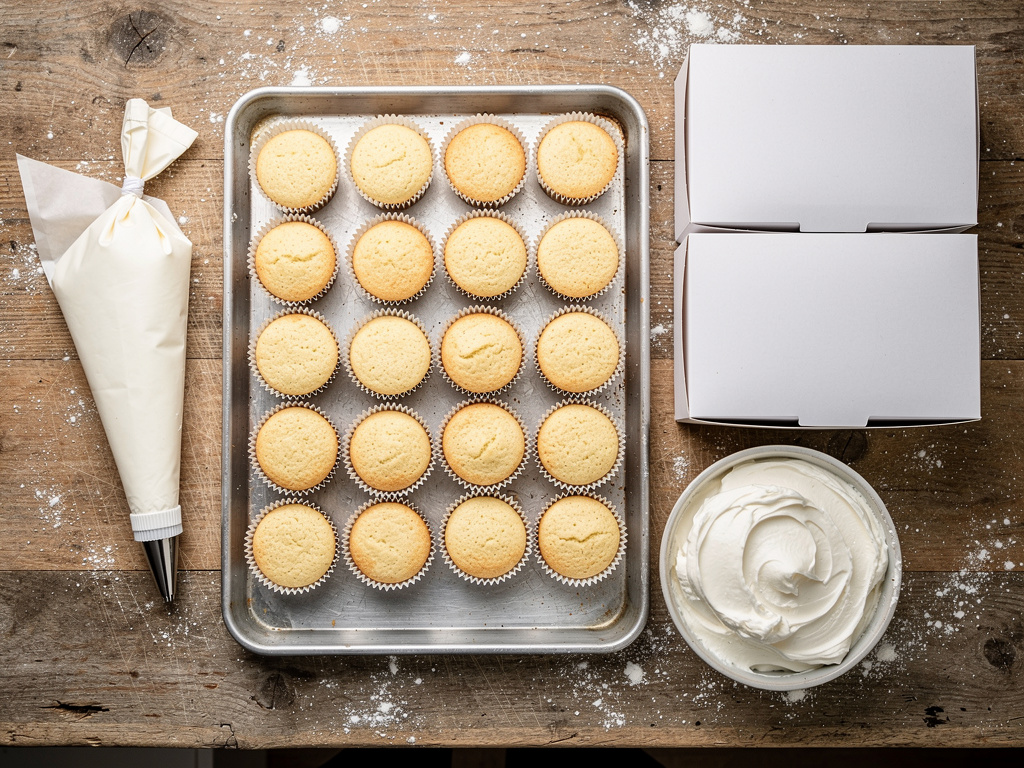


The transition from selling food to friends and family to selling to strangers is the moment your cottage food hobby becomes a real business. The biggest changes are not about your products — they are about trust, presentation, and systems. Friends buy because they know you. Strangers buy because your ordering page, product photos, and reviews make them confident they will get something worth paying for. Making that leap requires a public-facing ordering link, clear product descriptions, and a professional enough presentation that someone who has never met you feels comfortable placing an order.
The short version: Selling to friends works on personal trust. Selling to strangers works on professional trust — your ordering page, product photos, pricing, and reviews. The key steps are: create a public ordering page (Homegrown at $10 per month gives you a shareable link), take quality product photos, write clear descriptions, set firm prices (no more "pay what you want"), and start sharing your link beyond your personal network through Instagram, Facebook groups, and farmers markets. Most vendors can make this transition in one weekend. The products do not change. The packaging, presentation, and systems do.
When you sell to friends, the sale is almost effortless. Your friend already trusts you. They have probably tried your cookies at a party. They know your kitchen is clean. They know you will deliver what you promised. The entire transaction is built on an existing relationship.
Selling to strangers has none of that foundation. A stranger who finds you on Instagram sees:
Every one of these gaps is a reason NOT to buy. Your job when selling to strangers is to close each gap systematically. Not with sales pressure, but with clarity, professionalism, and a frictionless ordering experience.
The good news is that the gaps are not hard to close. You do not need a fancy website, a professional photographer, or a marketing degree. You need a clean ordering page, decent phone photos, and a few happy customers willing to leave a review.
With friends, you text: "I have 6 loaves of sourdough this week, $8 each, want one?" They Venmo you $8. Done.
With strangers, that does not work. A stranger is not going to Venmo money to someone they have never met based on a text message. They need:
You have a few options for this. Instagram DMs and Venmo work until you hit about 10 orders per week, then the manual tracking and payment chasing becomes its own job. Etsy gives you a product page but charges 6.5 percent per sale plus listing fees and is designed for shipping — not Saturday porch pickup. Square Online is free to start but takes 2.9 percent plus $0.30 per transaction and lacks the local marketplace discovery that brings strangers to you without paid ads.
Homegrown costs $10/month with no percentage fees beyond standard payment processing (2.9 percent plus $0.30 per transaction). You add your products, set prices, choose pickup locations and times, and share one link. The customer sees a professional ordering page, selects products, pays securely, and gets a confirmation — zero trust gaps. Homegrown does not take your product photos, write your descriptions, or market your page — it gives you the ordering page that makes strangers feel confident enough to buy from someone they have never met.
Friends do not need to see a photo of your cookies — they have eaten them. Strangers do. Product photos are the single biggest factor in whether someone who has never tried your food decides to order.
You do not need a professional photographer. You need:
The best product photos feel like a friend texted you a picture of what they just baked — natural, warm, and honest. Not like a studio shoot for a food magazine.
Here is a quick checklist for product photos that sell to strangers:
The difference between "my friend wants cookies" and "a stranger orders cookies" often comes down to one good photo. Invest 5 minutes per product in photography and it will pay dividends for months.
With friends, pricing is flexible. "Just give me whatever you think is fair" or "I will give you the friend price" are common. With strangers, that approach signals that your prices are not real.
Fixed, published prices communicate:
Post your prices on your ordering page, on your Instagram, and on your market signage. The same price everywhere. No haggling, no "friend discounts" for people you do not know, no "just pay what you can." That clarity is what makes strangers comfortable paying. If you need guidance structuring your cottage food operation for this transition, Better Baker Club's state-by-state cottage food labeling guide covers when to stay a sole proprietor versus forming an LLC as your customer base grows.
Friends do not need reviews. Strangers do. Social proof closes the trust gap between "I have never tried this" and "other people have tried this and liked it."
How to build social proof when you are just starting:
Selling to friends requires no marketing. They already know you. Selling to strangers requires that strangers learn you exist.
The simplest expansion path:
If you want more specific strategies for using Instagram to reach new customers, our guide to Instagram tips for farmers market vendors covers what to post, when to post, and how to turn followers into buyers. And for deciding where to focus your marketing energy, our comparison of Instagram vs Facebook vs your own website explains where local food customers actually spend their time.
Here is a weekend plan for going from "I sell to friends" to "I sell to anyone":
Create your ordering page. Add your top 5 to 8 products with photos, descriptions, and prices. Set your pickup location and times. This takes about 30 minutes.
Photograph each product near a window with natural light. Take 3 to 5 photos of each item. Pick the best one for your ordering page. This takes 30 to 60 minutes.
Update your Instagram bio with your ordering link. Post a photo announcing that you are now taking online orders. Share your link in 2 to 3 local Facebook groups. Send your ordering link to your existing friends and family customers.
Text your 5 to 10 most loyal customers and ask for a written review. Post the first ones that come in to your Instagram stories and save them to a "Reviews" highlight.
Your ordering page is live. Your social media is updated. Your reviews are posted. When a stranger finds your Instagram, sees your products, reads a review, and taps your ordering link, they can order and pay in under two minutes. You just crossed the line from selling to friends to selling to anyone.
Friends tolerated low prices because the transaction felt like a favor, not a purchase. Strangers will pay full price for quality local food. Do not undervalue your products because you are used to the "friend price." Price for profitability from day one.
Trying to sell to strangers through DMs is like trying to run a restaurant through text messages. It works for 3 orders. It breaks at 15. Get an ordering system before you start marketing to strangers, not after. If you want options, our guide to the best online ordering systems for cottage food covers platforms starting at $0.
Many vendors set up an ordering page and then wait for customers to find it. That is not how it works. You need to actively share your link, post about your products, and tell people you exist. The ordering page handles the transaction. You handle the marketing.
You do not need custom packaging, professional labels, or a $500 logo before your first stranger sale. Start with what you have. Upgrade your packaging and branding after you prove that strangers are willing to pay for your products. The $10 per month ordering page and your phone camera are enough to start.
If people who are NOT your friends or family have complimented your food or asked to buy it, you are ready. If you consistently make more than your personal network can consume, you are ready. If you have sold at a farmers market and had positive reactions from walk-up customers, you are definitely ready. The bar is lower than most people think.
Yes. Millions of people buy food from local vendors they have never met — at farmers markets, farm stands, and online. The key is giving them enough information (photos, descriptions, prices, reviews) to feel confident. A professional ordering page closes the trust gap that a DM conversation cannot.
Post your ordering link in a local Facebook group with a clear description of what you sell, where pickup is, and a photo of your best product. "I bake sourdough and chocolate chip cookies from my home kitchen in [City]. Pre-order for Saturday pickup through my link." Your first stranger sale will likely come from a local group post.
Yes. One price for everyone. If you have been undercharging friends, raise your prices to sustainable levels and apply them across the board. Friends who truly support your business will pay full price. Those who only buy at the "friend discount" were never reliable customers anyway.
Start with 3 to 5 products that you make well and can produce consistently. You can always add more later. A focused menu is easier to manage, easier to photograph, and easier for customers to understand. "I sell sourdough, cookies, and jam" is clearer than a 20-item menu that overwhelms new customers.
Give it two weeks of active marketing before worrying. Post daily on Instagram, share in Facebook groups three times the first week, text your ordering link to 20 people, and hand out cards at the farmers market. If nobody orders after two weeks of consistent promotion, the issue is either your pricing, your product photos, or the size of your audience. Fix one at a time and test again.
Insurance is not legally required in most states for cottage food sales, but it is strongly recommended once you sell beyond your personal network. Beyond insurance, NDSU Extension's food safety guide for local food entrepreneurs covers the labeling, handling, and sampling practices that protect both you and your customers as you scale up. A general liability and product liability policy costs about $25 per month and protects you if a customer claims your product caused illness or injury. Our guide to the best cottage food insurance providers covers options starting at $299 per year.