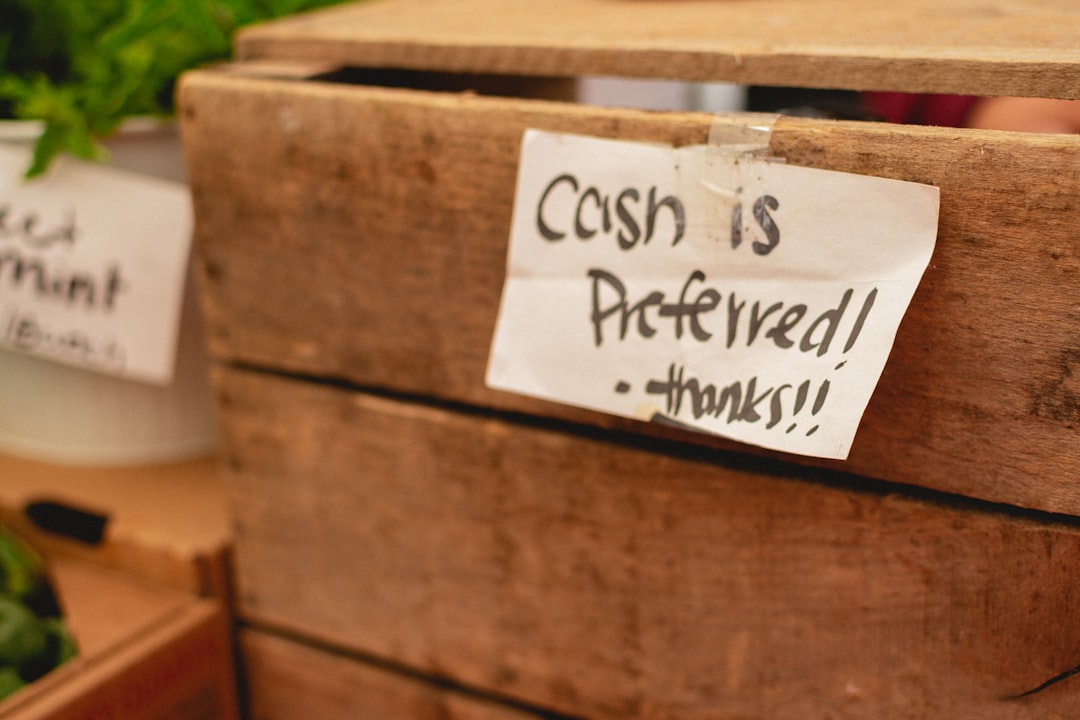


An honor system farm stand is the simplest way to sell food from your property without being there all day. You put your products out, post the prices, leave a cash box, and let customers serve themselves. No employees, no schedule, no standing in the sun for six hours hoping someone stops.
It sounds too good to work. But it does — for thousands of operators across the country, every single day.
The short version: An honor system farm stand lets you sell produce, eggs, baked goods, and other products from your property without an attendant. You need a sturdy lockbox, whole-dollar pricing, clear signage, and a way for customers to pay without cash (a QR code linking to an online ordering page). Most operators report 85 to 95 percent honesty rates. The 5 to 15 percent loss is almost always cheaper than hiring someone. The modern upgrade is combining the honor stand with online pre-orders — customers order and pay ahead of time, then pick up at your stand.
An honor system farm stand is a self-serve setup where customers take products, check the posted price, and leave payment in a lockbox or pay digitally. There is no attendant, no register, and no checkout line.
The mechanics are simple:
That is the whole operation. The reason it works is that most people are honest — especially in communities where the farm stand operator is a neighbor, not a stranger. The social contract of "I take your tomatoes, I leave your money" is surprisingly durable.
The numbers back this up. Farm stand operators consistently report honesty rates between 85 and 95 percent. Some report higher. The losses come from a mix of genuine theft, customers who underpay because they do not have exact change, and occasional confusion about pricing. For most operators, that 5 to 15 percent loss is significantly cheaper than paying someone $12 to $15 per hour to staff the stand.
The setup is minimal. Here is everything you need, with approximate costs:
| Item | Purpose | Cost |
|---|---|---|
| Sturdy table or shelving | Display surface | $0-$70 (folding table or repurposed shelving) |
| Lockbox | Secure cash collection | $15-$30 for a slotted metal box |
| Chain or bolt | Secure the lockbox to the stand | $5-$10 |
| Price signs | Clear pricing for every product | $5-$15 (markers + cardstock or chalkboard) |
| Main sign | "FARM STAND — SELF SERVE" visible from the road | $15-$30 |
| Payment instructions sign | Explains how to pay (cash box + QR code) | $5-$10 |
| QR code printout | Links to your online ordering/payment page | $0 (print at home) |
| Canopy or umbrella (optional) | Weather protection for products | $30-$100 |
| Security camera (optional) | Deters theft and lets you monitor remotely | $30-$80 for a basic wifi camera |
Total startup cost: $75 to $350 depending on what you already have. Most people spend under $150 because they already own a table and can make signs by hand.
Your cash box is the most important piece of equipment in an honor system stand. A bad setup invites theft. A good one makes honest payment easy and dishonest payment difficult.
What to use:
How to secure it:
Cash management:
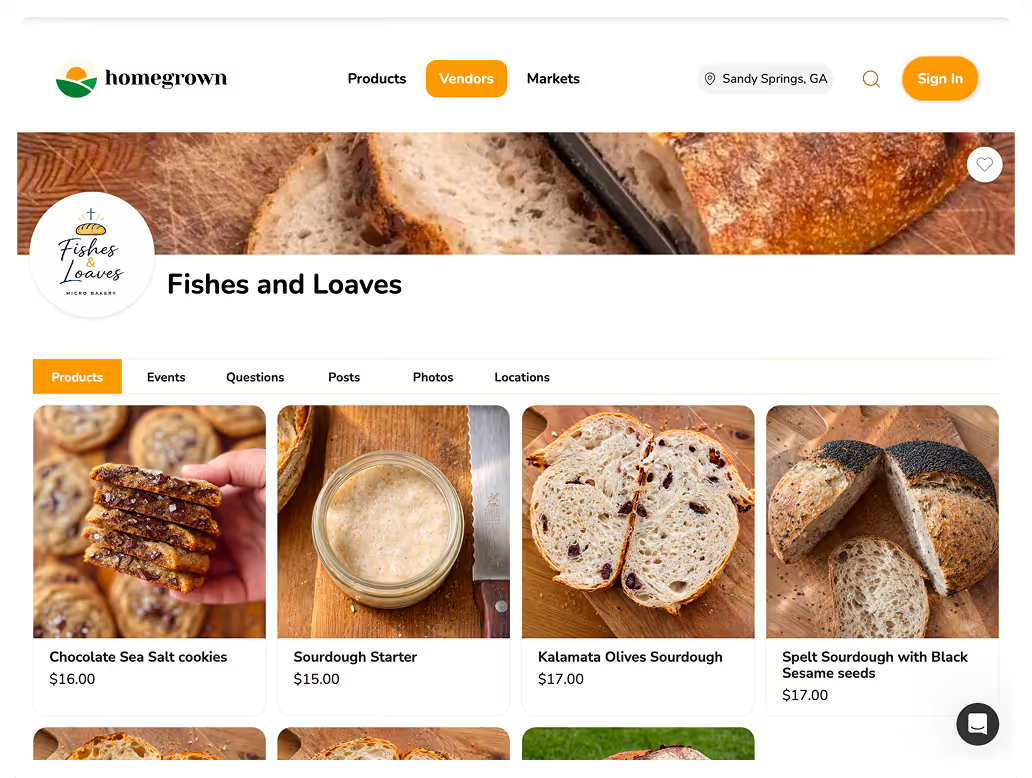
The single best upgrade: Add a QR code next to the cash box that links to your online ordering page. Customers who do not carry cash can scan the code and pay digitally. This eliminates the "I don't have cash" problem entirely and captures customer information you can use for repeat marketing. A Homegrown storefront generates a shareable link and QR code automatically — print it and tape it to your stand.
Price everything in whole dollars. This is the single most important pricing rule for an honor system stand.
Why whole dollars matter:
Pricing strategies that work:
How to decide what to charge:
For more on pricing, read our guide on how to price food products for a farmers market. The same principles apply to farm stands.
Good signage is what separates a profitable honor system stand from a confusing one. You need three types of signs, and each serves a different purpose.
Sign 1 — The road sign (gets people to stop):
Sign 2 — The payment instructions sign (tells people how to pay):
Sign 3 — The price signs (tells people what things cost):
Optional but effective — a "thank you" sign:
Theft happens. Underpayment happens more often. Neither should stop you from running an honor system stand.
The honest numbers:
The math is clear: Honor system losses are 5 to 20 percent of what it would cost to hire an attendant. For most small operators, the honor system is the economically rational choice.
Strategies that reduce theft:
What NOT to do:
The modern evolution of the honor system stand is the hybrid model: some customers browse and buy self-serve, while others pre-order online and pick up at your stand.
How it works:
Why this is better than honor system alone:
The honor system catches the impulse buyers — people driving by who spot your stand and stop. Pre-orders capture the regulars — people who want your products every week and do not want to risk driving out and finding you sold out. Together, they cover both customer types.
For more on choosing the right location and maximizing visibility, read our guide on how to choose the right location for your farm stand.
Not every product is suited for unattended selling. The best honor system products are shelf-stable, easy to display, and hard to damage.
Products that work well self-serve:
Products that are riskier self-serve:
If you want to sell temperature-sensitive products, either attend the stand during selling hours or move those products to the pre-order model where customers pick them up within a short window.
Yes. Most operators report 85 to 95 percent honesty rates. The losses come from a mix of underpayment (customers who do not have exact change), confusion about pricing, and occasional theft. Adding a QR code for digital payment closes much of the gap because it removes the cash barrier. The majority of farm stand operators find the honor system economically better than staffing the stand.
Most operators spend $75 to $200 on the initial setup, which includes a table or shelving, a lockbox, signage, and price tags. If you already have a table and can make signs by hand, you can start for under $50. Add $30 to $80 for a basic security camera if you want one.
Print a QR code that links to your online ordering page and tape it to your stand next to the cash box. Customers scan the code with their phone and pay digitally. A Homegrown storefront generates this link and QR code automatically. You can also add your Venmo or PayPal handle to the sign, though a dedicated ordering page gives you better record-keeping and customer data.
A slotted metal cash box with a keyed lock. The slot should be wide enough for folded bills but narrow enough that fingers cannot reach in. Bolt or chain the box to the stand structure so it cannot be picked up. Avoid open containers, jars, or anything without a lock. Budget $15 to $30 for a good lockbox.
The most effective deterrents are a visible security camera (even a fake one), positive signage ("Thanks for Being Honest!"), good lighting, digital payment options, and keeping inventory quantities low. Community connection also matters — when neighbors know you personally, theft drops. Do not use aggressive or threatening signs, which drive away honest customers without deterring dishonest ones.
You can if your products and climate allow it. Root vegetables, honey, dried herbs, and preserved goods sell well through the winter. Shelf-stable products can handle cold temperatures as long as they do not freeze. Many operators run their honor stand seasonally (spring through fall) and switch to online-only ordering during the winter months, using their property as a pickup point for pre-orders.
The honor system is not a compromise — it is a feature. It lets you sell every day without being there every day. It turns your front yard into a 24/7 business without the overhead of staffing, scheduling, or standing in the weather.
Set up the box. Print the QR code. Stock the stand. And let your neighbors do what neighbors do — pay for good food from someone they trust.