

The most common question people ask before starting a farm stand is not "what should I sell?" — it is "am I even allowed to do this?" The fear of accidentally breaking a law keeps more backyard growers from selling their produce than any other barrier.
Here is the short answer: you probably need fewer permits than you think.
The short version: Most states do not require a food safety permit to sell fresh, unprocessed produce from your own property. What triggers permit requirements is usually a permanent structure, processed food, or zoning restrictions — not the act of selling tomatoes from a table in your yard. There are four categories of permits that can apply to a farm stand: food safety, zoning, building, and business licensing. Most small operators only need to deal with one or two of them. Before you start, call your county zoning office and ask eight specific questions — that one phone call gives you a clear answer in ten minutes.
For raw, unprocessed produce sold directly from your own property, most states require no food safety permit or license. You can sell your tomatoes, peppers, squash, herbs, and cut flowers without applying for anything.
This is because most state health and agriculture departments regulate food safety at the processing level, not at the point of sale. A whole tomato does not need a license. A jar of tomato sauce does. That distinction — processed versus unprocessed — is the dividing line for almost every permit decision you will face as a farm stand operator.
But "no food safety permit" does not mean "no rules at all." Your county may have zoning restrictions on commercial activity in residential zones, your city may require a sign permit, and building a permanent structure almost always requires a building permit. The trick is knowing which of the four permit categories actually applies to your situation — and for most small operators, the answer is one or two, not all four.
According to Oregon State Extension's farm stand guide, temporary seasonal roadside stands that customers do not walk into are generally exempt from building permit requirements, food establishment licensing, and most health department oversight. The same principle applies in the majority of states.
There are four categories of permits and licenses that could affect your farm stand. Understanding which ones apply to your specific situation saves you from either over-complying (spending money and time on permits you do not need) or under-complying (missing a permit you do need).
| Permit Type | Who Enforces It | When It Applies | Typical Cost |
|---|---|---|---|
| Food Safety / Health Dept | County or state health department | When you sell processed, prepared, or TCS (temperature-controlled) foods | $50-$300/year |
| Zoning / Land Use | County or city zoning department | When your property's zoning restricts commercial activity | $0-$150 for a variance |
| Building Permit | County building department | When you construct a permanent structure (shed, enclosed stand) | $50-$500+ |
| Business License / Sales Tax | County clerk or state revenue dept | When your state requires a business license for any commercial activity | $0-$75/year |
Most small farm stand operators only deal with categories 2 and 4 — a quick check with the zoning office and possibly a basic business license. Categories 1 and 3 typically apply only when you add processed food or build a permanent structure.
Here is what each one covers in detail:
Food Safety / Health Department permits apply when you sell food that has been processed, prepared, or requires temperature control. Raw fruits and vegetables are almost universally exempt. Eggs, honey, and nuts fall in a gray area that varies by state. Baked goods, jams, and preserves are usually covered by cottage food laws, which are separate from farm stand regulations. If you want to sell cottage food products at your stand, check your state's cottage food rules — the requirements are different from produce.
Zoning / Land Use permits depend on your property's zoning classification. Agricultural-zoned land almost always allows farm stands by right. Residential-zoned land may restrict commercial activity — but many counties exempt small-scale agricultural sales from those restrictions. This is the one permit category you should always verify before opening.
Building permits apply when you construct a permanent structure. A folding table under a canopy does not need a building permit. A wooden shed with a tin roof probably does. The threshold varies by county — some define "permanent" as anything over 100 or 200 square feet, others by whether the structure has a foundation. According to Larimer County, Colorado's farm stand ordinance, farm stands under 200 square feet on agricultural land do not require a building permit.
Business licenses and sales tax vary by state. Some states require a general business license for any commercial activity. Others exempt agricultural direct sales. Sales tax on fresh produce is exempt in most states, but processed goods (jam, baked goods) may be taxable. Check with your county clerk or state revenue department.
Understanding what is typically exempt saves you from applying for permits you do not need. Here is what most states do not require a permit for:
The key word is "unprocessed." The moment you cut, cook, can, dry, ferment, or otherwise transform a raw agricultural product, you cross from the farm stand exemption into food processing territory. A whole tomato is exempt. Tomato sauce is regulated. A head of lettuce is exempt. A bagged salad mix may need a license. Know where that line is in your state.
Here is what moves you from "no permit needed" into permit territory:
Most farm stand content assumes agricultural land. But many backyard growers are on residential-zoned lots — a quarter acre in a subdivision, not 40 acres of farmland. The rules are different.
What to check in a residential zone:
What actually happens: In most jurisdictions, enforcement of farm stand regulations in residential areas is complaint-driven. Nobody is patrolling neighborhoods looking for illegal tomato sales. If your neighbors are supportive and your stand does not create traffic, noise, or parking problems, the risk of enforcement is very low. That said, doing it correctly from the start protects you if a complaint does arise.
Yes — in most places, a self-serve honor system farm stand is legal as long as the products themselves are legal to sell. The legality of your farm stand depends on what you sell and where you sell it, not on whether you are physically present.
A few things to keep in mind:
Do not guess. One phone call to your county zoning office answers most of these in under ten minutes. Here are the eight specific questions to ask:
Write down the answers. If you ever need to defend your right to operate, having a record of what you were told by the county is valuable.
For a full guide on getting your farm stand up and running, read our complete beginner's guide to starting a farm stand. If you want to let customers order ahead and pay before they arrive, a Homegrown storefront gives you one link to share — customers see what is available, place an order, and pick up at your stand.
In most states, selling fresh, unprocessed vegetables from your own property does not require a food safety permit. However, your city or county may have zoning restrictions on commercial activity in residential zones. The fastest way to find out is to call your county zoning office and ask whether agricultural direct sales are permitted in your zone. Most calls take under ten minutes and give you a definitive answer.
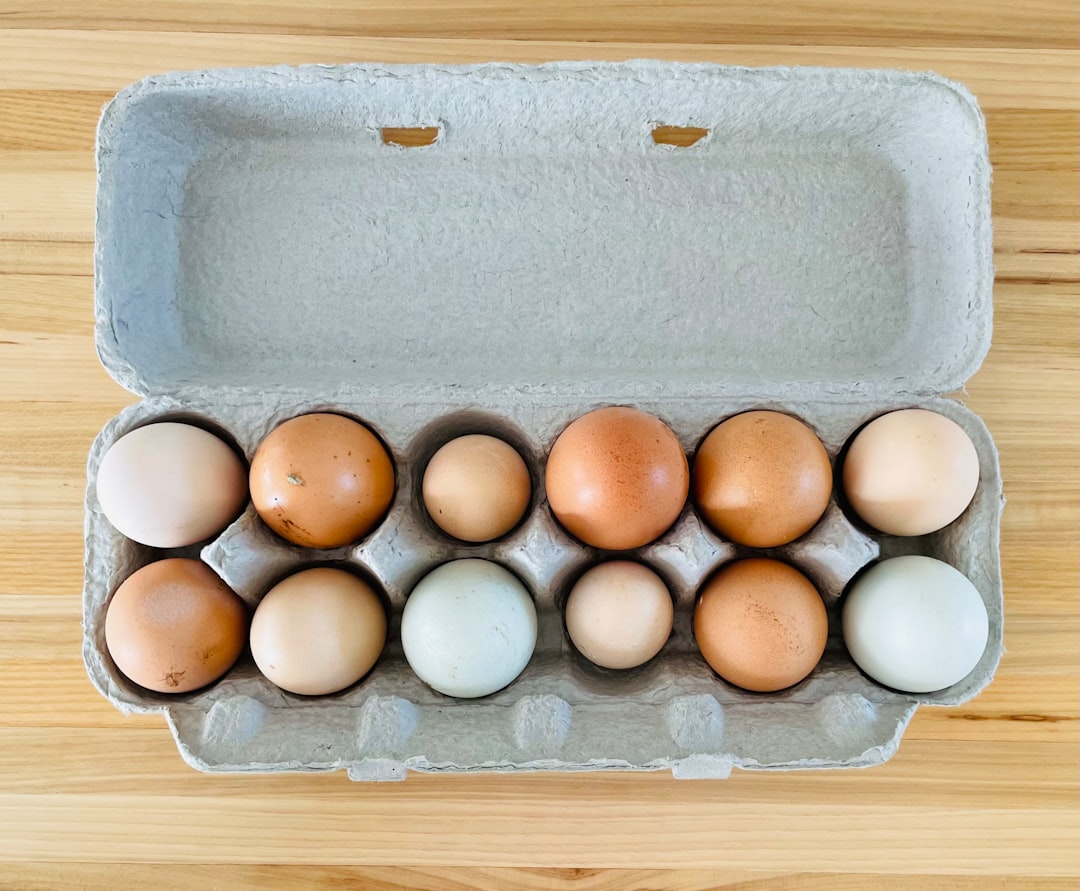
In most states, yes — selling eggs from your own flock directly to consumers from your property is exempt from state licensing. Some states have flock size limits (typically 150 to 3,000 hens) above which licensing applies. A few states require egg grading, candling, or labeling. Check your state's egg sales laws, which are usually managed by the state department of agriculture.
For raw produce in most states, nothing — because no permit is required. If you are selling processed food without the appropriate cottage food permit or food establishment license, you could receive a warning or fine from the health department. In practice, enforcement for small backyard operations is almost always complaint-driven, and the typical first step is a warning with instructions on how to comply, not a fine.
It depends on your state and county. Some states require a general business license for any commercial activity, regardless of size. Others exempt agricultural direct sales from business licensing. The cost is usually $25 to $75 per year. Check with your county clerk's office — they can tell you in one phone call whether a license is required and how to apply.
In most jurisdictions, yes. The legality of your farm stand depends on what products you sell and your zoning compliance, not on whether an attendant is present. Self-serve honor system stands are common and legal throughout the United States for raw agricultural products. Some areas may require an attendant for prepared or processed food sales.
For a basic table or tent setup on your property, your homeowner's insurance policy usually provides adequate coverage. If you build a permanent structure, invite significant foot traffic, or sell products that could cause foodborne illness, you should consider general liability insurance, which typically costs $300 to $500 per year. Call your homeowner's insurance provider and ask whether your current policy covers a small agricultural sales operation on your property.
The permit landscape for farm stands is simpler than most people fear. If you are selling fresh produce from your own property, you probably need nothing more than a quick call to your county zoning office. If you are adding processed food, building a structure, or operating in a residential zone, you may need one or two additional permits — but they are usually inexpensive and straightforward to obtain.
Do not let the fear of doing something wrong keep you from starting. Make the phone call, get the answers, and set up your stand. The regulatory barriers for small farm stands are among the lowest in the entire food business world — and the customers driving past your property every day are already looking for exactly what you grow.